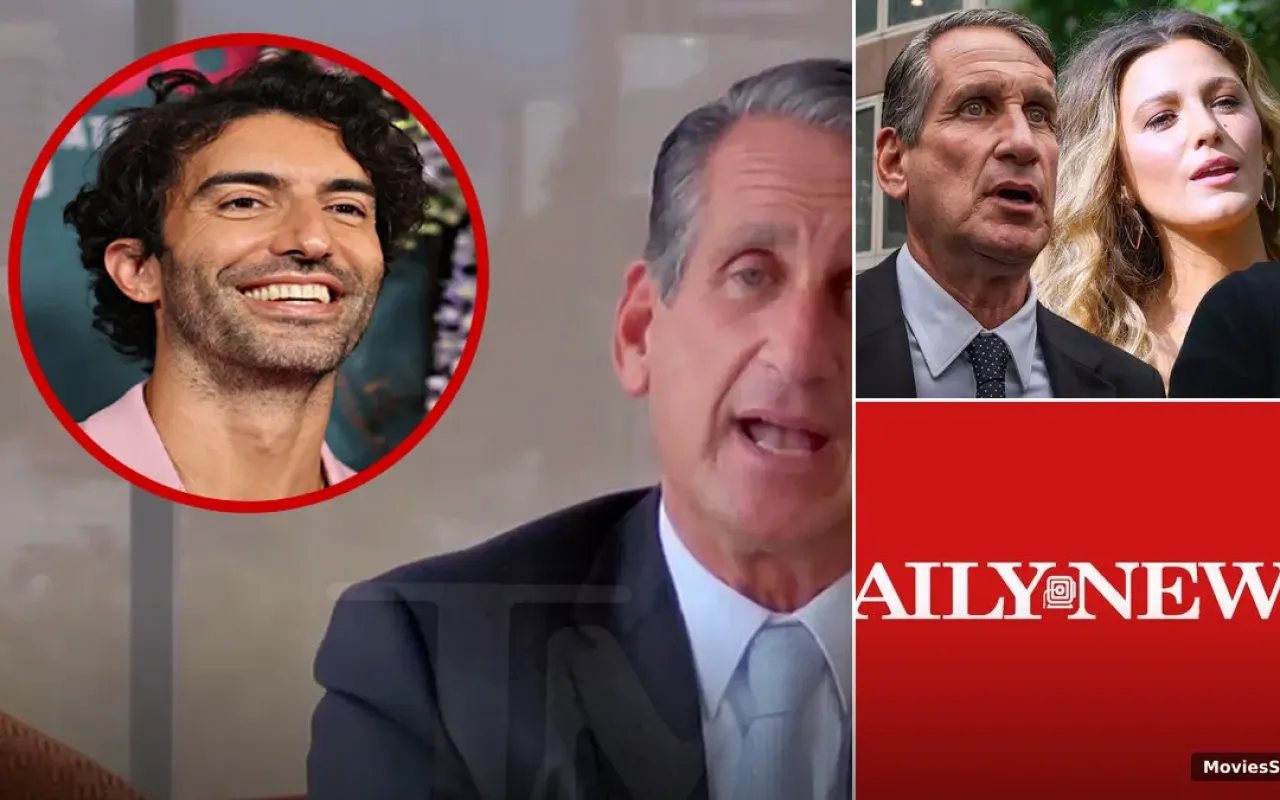
The high-stakes legal battle that shadowed the production and release of It Ends With Us has reached a dramatic conclusion. On May 4, 2026, attorneys for Blake Lively and Justin Baldoni announced a formal Blake Lively Justin Baldoni settlement, effectively canceling a trial that was set to expose the inner workings of Hollywood’s elite. While the settlement brings a technical end to the litigation, the fallout continues to ripple through the industry, involving everything from California Civil Code Section 47.1 to a masterclass in crisis management PR on the steps of the Met Gala.
What is the Blake Lively and Justin Baldoni settlement?
Blake Lively and Justin Baldoni settled their 'It Ends With Us' legal battle on May 4, 2026, avoiding a high-profile trial. While the primary claims were settled with prejudice, avoiding a jury verdict, Lively continues to pursue millions in damages and legal fees under California Civil Code Section 47.1, leaving the final financial resolution in the hands of the court.
The Settlement: What We Know and What’s Hidden
The joint statement released by both parties on May 4 was a carefully orchestrated piece of celebrity litigation PR strategy. It acknowledged that the production of It Ends With Us "presented challenges" and, crucially, stated that the concerns raised by Lively "deserved to be heard." This phrasing was widely interpreted as a tactical concession by Baldoni’s camp to secure a dismissal of the remaining trial claims.
While early reports from insiders suggested that "no money changed hands" in the direct settlement agreement, the reality is far more complex. The settlement was filed "with prejudice," meaning Lively cannot refile the same claims. However, the agreement specifically carved out Lively’s right to seek punitive damages and legal fees. With total legal costs across both sides estimated at a staggering $60 million, the financial stakes remain astronomical even without a jury trial.
The timing of the announcement was no accident. It coincided exactly with the Blake Lively Met Gala 2026 return, allowing Lively to reclaim the narrative on the red carpet while her legal team issued statements of "resounding victory" to the press. By settling two weeks before the May 18 trial date, both stars avoided the public unsealing of even more sensitive "private communications," including further texts from Taylor Swift and internal emails from Wayfarer Studios.
The 'Resounding Victory': Why Both Sides Claim Success
In the wake of the filing, a war of words erupted between the legal teams, each framing the It Ends With Us lawsuit update as a total win. This conflicting narrative is a byproduct of Judge Lewis J. Liman’s pre-trial rulings, which dealt significant blows to both parties.
- The Baldoni Perspective: Attorney Bryan Freedman argued that the settlement was a "total victory" because the court had already dismissed 10 of Lively’s 13 original claims. This included the dismissal of all sexual harassment allegations and defamation claims against the individual defendants. From this viewpoint, Lively settled because her case had been "gutted" by the judge.
- The Lively Perspective: Attorneys Michael Gottlieb and Esra Hudson characterized the deal as a triumph. They pointed to the joint statement’s admission that Lively’s concerns "deserved to be heard" as a public vindication. Furthermore, they emphasized that Baldoni and Wayfarer Studios now face "personal liability" for legal fees under specific California statutes.
The core of the disagreement stems from the 10 dismissed claims versus the 3 that were headed to trial: breach of contract, retaliation, and aiding and abetting in retaliation. By settling the remaining three, Lively avoided the risk of a "no-liability" verdict, while Baldoni avoided the optics of a six-week trial focused on a "toxic work environment."
Deep Dive: California Civil Code Section 47.1 and the Fight for Damages
The most critical remaining piece of this legal puzzle is California Civil Code Section 47.1. This post-#MeToo legislation is designed to protect survivors from retaliatory defamation—a tactic where an accuser is sued for speaking out. Lively’s team is utilizing this code to seek what is known as treble damages (triple the actual damages) and punitive damages.
Section 47.1 Treble Damages Explained
Under this code, if a plaintiff files a sexual misconduct claim in good faith and the defendant responds with a "malicious" or "retaliatory" lawsuit, the original plaintiff can recover three times their legal fees and costs. Lively’s team argues that Justin Baldoni's defamation countersuit—a $400 million claim dismissed by Judge Liman in June 2025—was exactly that: a retaliatory attempt to silence her.
Judge Liman’s upcoming ruling on these fees is the final hurdle. Because both parties have waived the right to appeal, Liman’s decision on the millions in legal fees will be final. This creates a unique legal scenario where a judge, not a jury, will determine the ultimate "price" of the feud.
The Independent Contractor Loophole in Hollywood Workplace Safety
One of the most controversial aspects of the Justin Baldoni lawsuit was Judge Liman’s April 2026 ruling that dismissed Lively’s sexual harassment claims. The dismissal wasn't based on the merit of the claims themselves, but on a legal technicality: independent contractor status.
Liman ruled that because Lively served as a producer and was hired through her own corporate entity, she was an independent contractor rather than a traditional employee of Wayfarer Studios. Under current federal law, many harassment protections only apply to "employees." This ruling has sparked a massive debate among labor law experts regarding Hollywood workplace safety standards. If high-profile stars like Lively can be denied harassment protections based on their tax status, the vulnerability of lower-level crew members—who are also often independent contractors—is significantly higher.
The Met Gala 'Stunt': A Masterclass in Crisis PR
While the lawyers argued in court, Lively took to the steps of the Metropolitan Museum of Art for a carefully timed public appearance. Wearing an archival Atelier Versace gown from 2006, Lively’s presence at the Blake Lively Met Gala 2026 was a calculated move to shift the public’s focus from "litigant" to "fashion icon."
The symbolism of the gown—described by Lively as representing the "sunrise and sunset" of a day—was seen by crisis management PR experts as a metaphor for closing the chapter on the litigation. Furthermore, her custom Judith Leiber bag, featuring artwork by her four children, reinforced her image as a protective mother and "survivor," contrasting with the "difficult" persona often portrayed in the media during the height of the feud.
The 'Digital Army' and Social Media Manipulation
Part of the unsealed evidence in the case included allegations of a "digital army." Lively’s team accused Baldoni and Wayfarer Studios of using social media manipulation and "friendly journalists" to plant stories that Lively had "stolen the film" or behaved like a "diva" on set. Forensic analysis of social media trends during the movie’s release suggested a coordinated effort to shift blame for the set's tension onto Lively, a claim that fueled her retaliation lawsuit.
Timeline: From the 'It Ends With Us' Set to the 2026 Settlement
To understand the depth of this conflict, one must look at the two-year timeline of events that led to the May 4 settlement:
- August 2024: It Ends With Us is released. Fans notice Lively and Baldoni do not take photos together at the premiere, sparking "feud" rumors.
- December 2024: Lively files the initial lawsuit against Baldoni and Wayfarer Studios, alleging sexual harassment allegations and breach of contract.
- January 2025: Baldoni files a $400 million countersuit for defamation against Lively, Ryan Reynolds, and publicist Leslie Sloane.
- June 2025: Judge Liman dismisses Baldoni’s countersuit, calling his claims of extortion "legally permissible hard bargaining."
- September 2025: Lively files her motion for fees under California Civil Code Section 47.1.
- April 2026: Judge Liman dismisses 10 of Lively’s 13 claims, ruling her an "independent contractor."
- May 4, 2026: The parties announce a formal settlement. Lively appears at the Met Gala.
- May 7, 2026: Formal notice of settlement is entered into the court record, reserving the right to seek damages.
The Aftermath: Colleen Hoover, Sequels, and Career Impacts
The settlement leaves the future of the It Ends With Us franchise in limbo. Despite the film's massive box office success, the relationship between the lead actors and the production company is likely severed beyond repair. Colleen Hoover, the author of the source material, has remained largely quiet, but the brand has undoubtedly been impacted by the "dark turn" the press tour took.
For Justin Baldoni, the dismissal of his countersuit and the settlement’s language regarding Lively’s "concerns" may pose challenges for his future directing projects, particularly those focused on sensitive subject matter. For Lively, the focus remains on the "mission" of exposing what her lawyers call the "Hollywood smear machine."
"The last thing I wanted in my life was a lawsuit, but I brought this case because of the pervasive retaliation I faced for asking for a safe working environment." — Blake Lively
Key Takeaways
- No Jury Trial: The May 18 trial was canceled after a private settlement was reached on May 4.
- The Legal Loophole: Lively’s harassment claims were dismissed because she was classified as an independent contractor, not an employee.
- Section 47.1: Lively is still pursuing treble damages and legal fees, which could total tens of millions of dollars.
- PR Strategy: The settlement was timed to coincide with Lively's high-profile return to the Met Gala in archival Atelier Versace.
- Finality: Both parties have waived their right to appeal, meaning Judge Liman’s final ruling on damages will end the saga permanently.
As the industry watches for Judge Liman’s final decision on legal fees, the Blake Lively Justin Baldoni settlement serves as a cautionary tale for modern Hollywood. It highlights the intersection of labor law, anti-SLAPP laws Hollywood, and the power of a coordinated PR narrative in the digital age. While the cameras have stopped rolling on this particular drama, the legal precedents set here regarding independent contractors and retaliatory lawsuits will likely be felt for years to come.