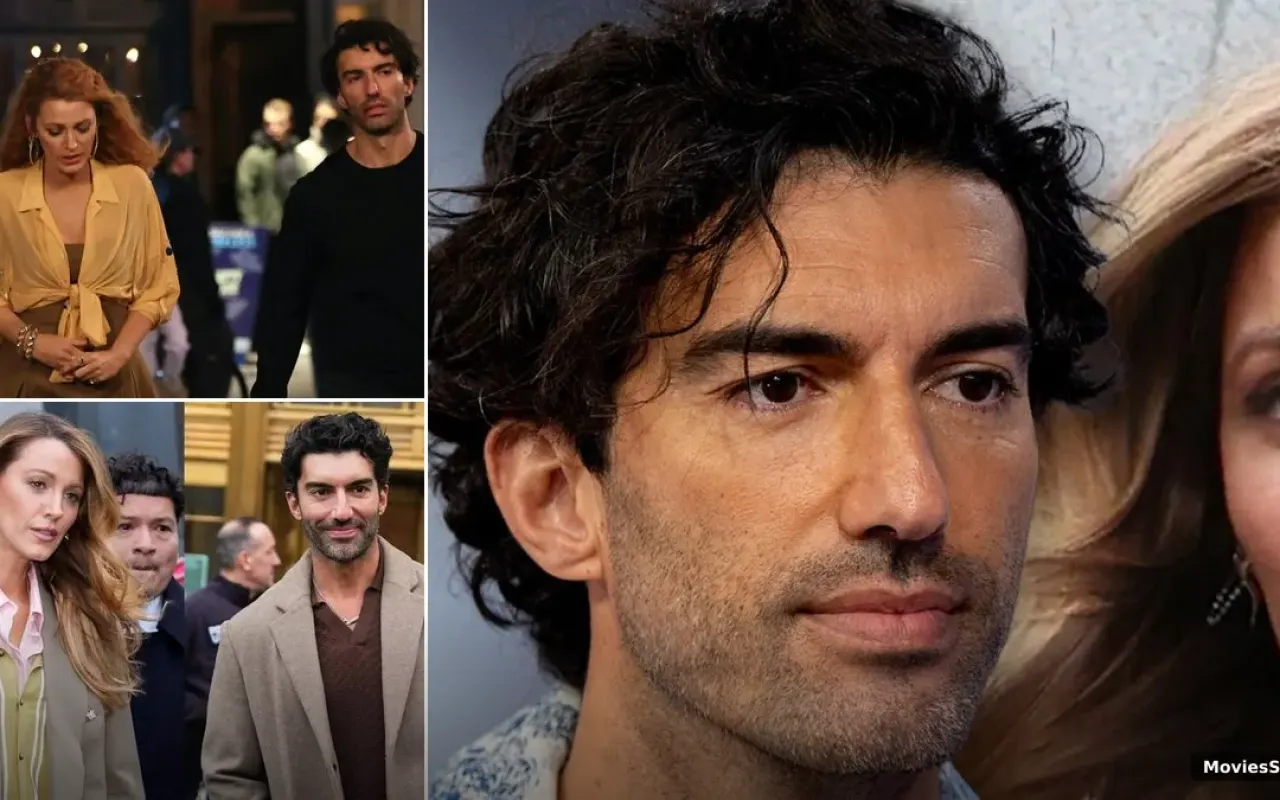
The fallout from the 2024 blockbuster It Ends With Us has officially moved from the red carpet to the federal courthouse in Manhattan. As the Blake Lively Justin Baldoni trial approaches, the legal battle has evolved into one of the most significant celebrity litigation PR strategy tests in recent Hollywood history. What began as a rumored rift between co-stars has transformed into a high-stakes Wayfarer Studios legal dispute involving allegations of career sabotage, contractual breaches, and a staggering $300 million damages claim.
The Current Status: What Claims Survived the Judge's Ruling?
The status of the Blake Lively and Justin Baldoni lawsuit reached a critical turning point recently when the court significantly narrowed the scope of the litigation. The trial is currently set to begin on May 18, 2026, in the U.S. District Court for the Southern District of New York. Judge Lewis Liman recently dismissed 10 of Lively’s 13 original claims, including high-profile allegations of sexual harassment and defamation. However, the judge allowed three core claims to proceed: retaliation, breach of contract, and aiding and abetting. Lively is seeking approximately $300 million in total damages.
The dismissal of the sexual harassment claims under Rule 12(b)(6)—a common procedural move in Hollywood litigation where a judge finds the legal basis for a claim insufficient even if the facts are true—shifted the focus toward the business of "reputation." While Lively’s initial California Civil Rights Department Lively complaint detailed a toxic work environment, the federal trial will center on whether Baldoni and Wayfarer Studios orchestrated a "smear campaign" to punish Lively after she raised those concerns privately.
Judge Liman famously characterized the proceedings not as a typical labor dispute, but as a “feud between PR firms.” The remaining Justin Baldoni retaliation lawsuit hinges on whether the defendants used "unlawful, retaliatory astroturfing"—the practice of creating fake grassroots support or opposition—to "eviscerate" Lively’s public standing during the film’s promotional cycle in August 2024.
The $300 Million Math: Breaking Down Lively’s Financial Demands
The Blake Lively damages claim is one of the largest ever seen for a single-actor dispute. Her legal team, led by Sigrid McCawley, argues that the negative press was not a natural byproduct of a "difficult" personality, but a calculated financial hit. The $296 million demand is broken down into several specific categories of reputational harm and lost profits:
- Business Losses ($39M – $143M): Experts for Lively claim the "Mean Girl" narrative directly impacted the launch and growth of her businesses, specifically Betty Buzz (and its sister brand Betty Booze) and her newly launched Blake Brown haircare line. The $143 million figure is based on projected valuation drops and missed retail partnerships.
- The Sequel Payday ($35M): A major point of contention involves It Ends With Us contract clauses regarding the sequel, It Starts With Us. Lively claims the retaliation effectively barred her from a guaranteed $35 million payday for the follow-up film.
- Lost Earnings ($41M – $87M): This covers potential film roles and endorsement deals that were allegedly rescinded following the viral "bully" labels.
- Emotional Distress: A smaller but notable $250,000 to $400,000 is sought for "pain, suffering, and humiliation."
Defense attorney Amir Kaltgrad has countered these figures as "pie in the sky," arguing that Lively’s work history does not support such astronomical projections. The defense highlights that Lively has appeared in only four films over the last eight years, with total earnings of approximately $21 million—a figure they claim is more indicative of her actual market value than the $300 million being sought.
The 'Mean Girl' Defense: The Kate Middleton Controversy in Court
In a unique legal maneuver, Baldoni’s team is attempting to prove that any damage to Lively’s reputation was self-inflicted. They intend to use expert witness testimony to show that Lively’s public image took its sharpest hits from her own actions, rather than any "coordinated social media posts" from Wayfarer Studios.
A central piece of evidence for the defense is Lively’s social media post during the March 2024 "photoshop fails" controversy involving Kate Middleton. Baldoni’s lawyers argue this incident, for which Lively later apologized, established a narrative of being "tone-deaf" months before the It Ends With Us press tour began.
PR crisis management experts suggest this "Mean Girl" defense is a double-edged sword. While it may lower the damages Baldoni has to pay, it keeps the negative headlines active. Lively’s team has filed motions to exclude any testimony regarding the "bully" label, arguing it is prejudicial and irrelevant to the breach of contract claims. However, Judge Liman has signaled that if Lively claims her reputation was destroyed by the defendants, the defendants have a right to show it was already damaged.
Trial Logistics: May 18 Jury Selection and the Celebrity Witness List
The Blake Lively Justin Baldoni trial is expected to last four to six weeks. Because it is a federal case in the Southern District of New York, the trial will likely not be televised or live-streamed, adhering to strict federal court rules. However, the witness list alone ensures it will be the most-watched trial of the year.
Potential Witnesses and Jury Scrutiny
The May 18 jury selection process will include a specialized questionnaire designed to weed out "super-fans" and those biased by social media discourse. Key elements of the questionnaire include:
- Knowledge of the Colleen Hoover book or the Sony Pictures film adaptation.
- Personal opinions on the "Mean Girl" vs. "Director Conflict" narratives.
- Connections to high-profile names on the witness list, including Ryan Reynolds and Taylor Swift.
While Ryan Reynolds is considered a likely witness due to his creative involvement in the film’s script (which was a point of contention in Baldoni's dismissed countersuit), Taylor Swift’s presence is less certain. Her name appears on the list primarily to identify potential juror bias given her close friendship with Lively.
The Fate of the 'It Ends With Us' Film Rights
A lingering question for industry insiders is what happens to the film rights if Lively wins the It Ends With Us lawsuit update. Currently, Wayfarer Studios and Sony Pictures hold the rights to the franchise. Legal analysts suggest that a victory for Lively would likely result in a massive financial settlement rather than a transfer of rights, though it could trigger "key man" clauses that would effectively prevent Baldoni from directing or producing any future installments in the franchise.
Key Takeaways for the May 2026 Trial
- The Scope: 10 claims were dismissed; the trial focuses on 3: Retaliation, Breach of Contract, and Aiding/Abetting.
- The Money: Lively is seeking nearly $300M, citing massive losses for Betty Buzz and Blake Brown haircare.
- The Defense: Baldoni’s team will argue Lively’s reputation was damaged by her own "tone-deaf" social media presence, not a smear campaign.
- The Witnesses: Ryan Reynolds and Taylor Swift are on the potential witness list, making jury selection incredibly complex.
- The Timeline: Jury selection begins May 18, 2026, with opening statements expected immediately following.
Conclusion: A Precedent for Hollywood Retaliation
The Blake Lively Justin Baldoni trial represents more than just a celebrity feud; it is a landmark case regarding how "reputational harm" is quantified in the age of viral social media. If Lively succeeds, it could change how production companies handle internal disputes and the "astroturfing" of negative press. If Baldoni prevails, it may serve as a cautionary tale about the limits of celebrity influence in the face of established contract law. Regardless of the outcome, the May 18 trial will provide a rare, unvarnished look at the machinery behind Hollywood’s carefully curated images.