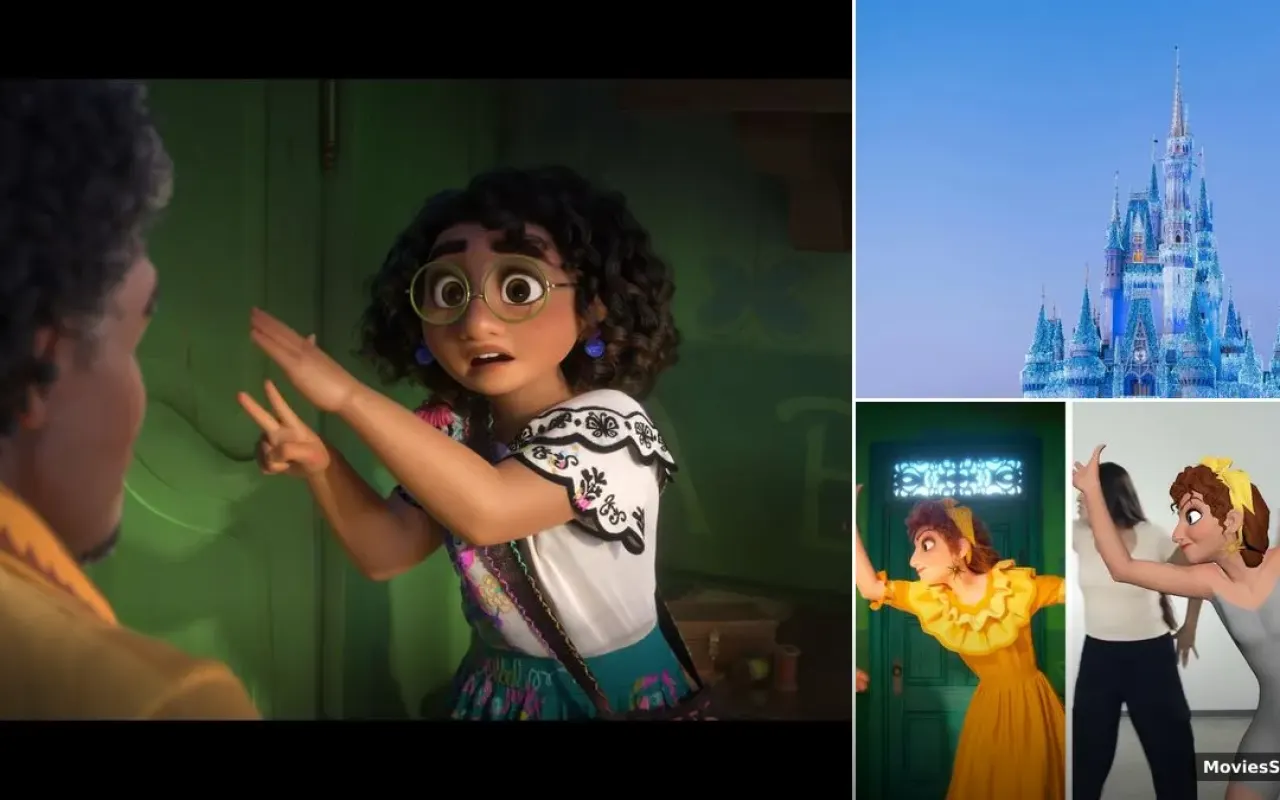
For nearly a century, Walt Disney Animation Studios has used music to bridge cultural and linguistic divides, creating generational touchstones that resonate globally. However, for the Deaf and hard-of-hearing community, these musical milestones have often remained partially out of reach, relegated to text-based captions that lack the rhythmic and emotional nuance of the performance. That changed on April 27, 2026, with the debut of Disney Songs in Sign Language, a historic initiative that re-imagines iconic musical sequences through the lens of American Sign Language (ASL).
What is Disney Animation’s 'Songs in Sign Language'?
Disney Songs in Sign Language is a specialized Disney+ project that re-animates legendary sequences from Frozen 2, Encanto, and Moana 2 into American Sign Language (ASL). Unlike standard accessibility features, this project utilizes 95% new animation based on reference performances from Deaf West Theatre, ensuring that the characters communicate directly with Deaf audiences through authentic handshapes and facial grammar.
The collection currently features three standout tracks:
- "The Next Right Thing" from Frozen 2
- "We Don’t Talk About Bruno" from Encanto
- "Beyond" from Moana 2
The Personal Inspiration: Hyrum Osmond’s Mission
The catalyst for this project was not a corporate mandate, but a deeply personal story of Hyrum Osmond, a veteran Disney director and animator known for Olaf Presents. Osmond grew up with a Deaf father but never mastered ASL, a barrier that created a persistent emotional gap between them. For years, Osmond watched his father experience Disney films through subtitles alone, missing the "vibrations" and visual poetry of the music.
Osmond spent years developing the concept before pitching it to Jennifer Lee (Chief Creative Officer) and Clark Spencer (President of Walt Disney Animation Studios). His goal was to move beyond "putting sign language on top" of existing footage and instead create something that felt native to the Deaf community. After receiving the green light, he assembled a team of over 20 animators who volunteered their time, many of whom had personal connections to the Deaf community or hard-of-hearing family members.
95% New Animation: The Technical Challenge of Disney ASL Animation
One of the most significant misconceptions about this project is that it is a simple overlay. In reality, the technical complexity required the team to "reload" legacy animation assets—essentially reopening the original digital files from Walt Disney Animation Studios and rebuilding the performances from the ground up.
Facial Grammar as Linguistics
In ASL, facial expressions are not just emotional cues; they are the "grammar" of the language. A raised eyebrow or a specific eye movement can completely change the meaning of a handshape. Because the original animation was keyed to spoken English, the mouth shapes and brow movements were linguistically "incorrect" for sign language. Consequently, the team had to create re-animated sequences where the characters' faces were entirely reworked to match the ASL reference footage. Hyrum Osmond noted that if the face isn't right, the sign can mean something totally different, making facial precision the project's highest priority.
The "Bruno" Complexity
The ASL version of We Don't Talk About Bruno represented the pinnacle of this technical challenge. While "The Next Right Thing" and "Beyond" focus on solo performances by Anna and Moana, "Bruno" features an ensemble cast. At certain points, as many as eight different characters are signing within a single frame. This required the animation team to manage multiple layers of complex handshapes and choreographed ASL, ensuring that each character maintained their unique "signing voice."
Collaboration with Deaf West Theatre
To ensure cultural and linguistic authenticity, Disney partnered with Deaf West Theatre. Artistic Director DJ Kurs and reference choreographer Catalene Sacchetti led the effort to translate the lyrics. This was not a literal word-for-word transcription, but a conceptual translation that captured the "soul" of the music.
"In sign language, there might be one word and many, many ways of signing it... we really needed a team approach, multiple opinions and voices in the room," explained Sacchetti.
Linguistic Nuance and Cultural Authenticity
The team made a conscious effort to ensure the signing reflected the characters' backgrounds. For Encanto, this meant incorporating Colombian-specific signs, such as the specific regional sign for "rat." For Moana 2, the team worked with Pacific Islander performers to ensure the Moana 2 Beyond sequence felt grounded in the character's heritage. This level of Disney inclusive storytelling strategy ensures that the representation is not just visible, but accurate.
How to Watch Disney Songs in Sign Language on Disney+
Finding these specific shorts on the Disney Plus debut date (April 27) and beyond is straightforward, though they are categorized as standalone shorts rather than alternate audio tracks. To access them, follow these steps:
- Open the Disney+ app on your device.
- Use the Search function and type "Songs in Sign Language."
- The collection will appear as individual titles: Songs in Sign Language: Beyond, Songs in Sign Language: We Don't Talk About Bruno, and Songs in Sign Language: The Next Right Thing.
- Alternatively, you can find them under the "Shorts" or "Disney Animation" brand pages.
Currently, these versions are available in American Sign Language (ASL). While there has been no official word on British Sign Language (BSL) or Langue des Signes Française (LSF) versions, the success of this "proof of concept" suggests that the Disney accessibility initiative could expand to other regions and languages in the future.
The Future: Educational Benefits and Representation
Beyond entertainment, the educational benefits of ASL Disney songs are substantial. Deaf parents have noted that seeing major cultural icons like Anna or Moana sign provides a powerful sense of validation for Deaf children. It provides a visual bridge for language acquisition and allows children to engage with the "universal language of childhood" in their primary mode of communication.
As we look toward Deaf representation in mainstream media 2026 and beyond, this project sets a new standard. By integrating ASL into the "fabric of Disney storytelling," the studio has moved from passive accessibility (captions) to active inclusion (re-animation). The project was launched to coincide with Disney accessibility National Deaf History Month, signaling a long-term commitment to this community.
Key Takeaways
- Authentic Re-animation: 95% of the animation in these shorts is brand new, specifically designed to match ASL movements.
- Expert Collaboration: The project was a partnership between Disney Animation and Deaf West Theatre, led by DJ Kurs and Catalene Sacchetti.
- Linguistic Accuracy: The team focused on "facial grammar" and conceptual signing rather than literal word-for-word translation.
- Personal Origins: Director Hyrum Osmond was inspired by his Deaf father to break down communication barriers.
- Available Now: You can stream the ASL versions of songs from Frozen 2, Encanto, and Moana 2 on Disney+ today.
Conclusion: A Historic First for Animation
The Disney Songs in Sign Language project is more than just a technical achievement; it is a cultural milestone. By dedicating the resources of Walt Disney Animation Studios to re-think how music is communicated, the studio has opened its doors to an audience that has been waiting decades to "hear" the music in their own language. As DJ Kurs noted, the art form is finally adapting to the community, rather than the other way around. This project doesn't just talk about inclusion—it signs it loud and clear.