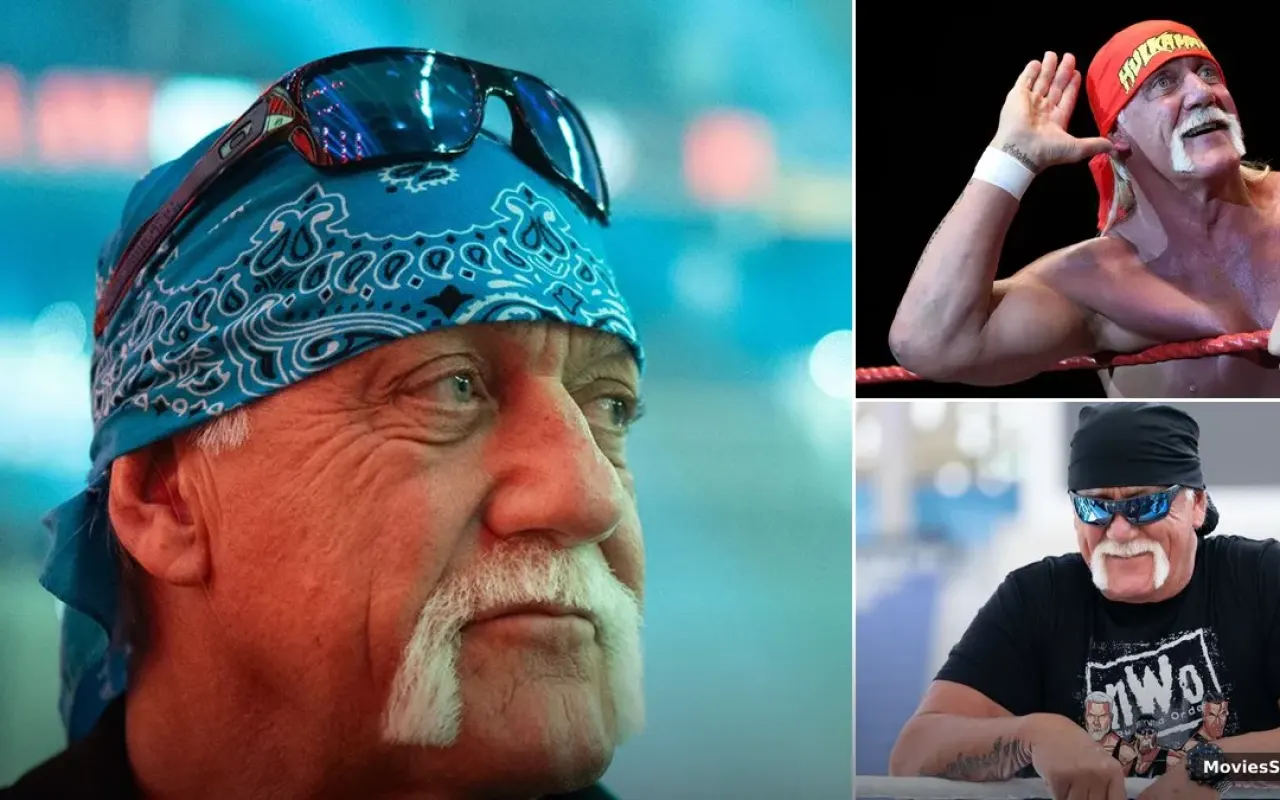
The 11-month wait for answers is officially over. After nearly a year of speculation, internet theories, and legal maneuvering, the Hulk Hogan death investigation has reached its conclusion. Clearwater Police have closed the books on the passing of Terry Bollea—the man who transformed professional wrestling into a global religion—ruling his death as a natural end to a life defined by extraordinary physical strain.
Hulk Hogan (Terry Bollea) died on July 24, 2025, at age 71. The official cause of death was an acute myocardial infarction (heart attack). A Clearwater Police Department investigation concluded in June 2026 that the death was natural, though Hogan also suffered from chronic lymphocytic leukemia and atrial fibrillation.
But the 72-page report released by the Clearwater Police Department reveals that this wasn't just a simple case of a heart failing. It was the culmination of a "secret" medical battle involving a leukemia diagnosis he kept from the public, a series of high-stakes surgeries, and a controversial malpractice claim that briefly turned a private tragedy into a police inquiry. Here is the definitive breakdown of the Hulk Hogan autopsy report and the investigation that followed.
Clearwater Police Close the Case: The 'Attended Natural Death' Verdict
On June 5, 2026, Clearwater Police spokesperson Rob Shaw confirmed what many had hoped but some questioned: there was no foul play. The department officially classified the case as an "attended natural death." In the state of Florida, this classification is specific—it implies that the individual was under the care of medical professionals for known conditions, and the death occurred due to those conditions rather than an external or criminal force.
The Clearwater Police Hulk Hogan investigation was exhaustive. Over 11 months, detectives reviewed surveillance footage from inside the Bollea residence, analyzed medical records, and interviewed everyone present during his final moments. "Following an exhaustive review of the statements, medical records, surveillance footage... and a visual inspection of Mr. Bollea’s body, there has been no evidence to indicate the death of Terry Bollea was anything other than natural," the report stated.
The family’s attorney, Kevin Hayslett, worked closely with investigators, granting them access to private medical data that would otherwise require subpoenas. This cooperation allowed the police to rule out "terminal toxicologic contributions"—meaning there were no weird drugs or poisons in his system—and confirm that Hulkamania succumbed to the physical reality of a 71-year-old body that had been pushed to its absolute limit.
Timeline of July 24, 2025: Hulk Hogan's Final Moments
The 72-page report provides a granular look at the morning Terry Bollea died. It started like any other day in Clearwater. Hogan was at home with his wife, Sky Daily, and his home health aide, Dana Swinton.
- 8:30 AM: Hogan is awake and appears "okay." He is eating yogurt and berries, though Swinton notes his speech seems slightly "mumbly."
- 9:45 AM: Hogan moves to his recliner. He had been in "rough shape" according to those close to him, recovering from a neck spinal fusion performed six weeks prior and a heart valve surgery just three weeks before that.
- 10:15 AM: Justin McCamey, an occupational therapist who had been working with Hogan for only two weeks, arrives for a scheduled session.
- 10:21 AM: The vibe shifts from routine to emergency. McCamey and Daily notice Hogan has stopped breathing. He hasn't clutched his chest or made a sound; he has simply ceased to respirate.
- 10:22 AM: Sky Daily dials 911. "My husband, it doesn’t seem like he’s breathing," she tells the operator. McCamey begins administering CPR immediately.
- 11:17 PM: After being transported to Morton Plant Hospital, Terry Bollea is officially pronounced dead.
The lack of a "chest-clenching episode" is what initially sparked confusion. In movies, heart attacks are loud and dramatic. In reality, especially for someone with Hogan’s complex medical history, they can be quiet and sudden.
The Secret Medical Battle: Leukemia, AFib, and 25+ Surgeries
The most shocking revelation in the Hulk Hogan autopsy report wasn't the heart attack—it was the Chronic Lymphocytic Leukemia (CLL). For years, Hogan maintained the image of the "Immortal" one, but behind the scenes, he was undergoing chemotherapy. This diagnosis was so well-guarded that even his daughter, Brooke Hogan, expressed confusion after his death, famously telling interviewers, "We don’t have cancer that runs in our family. It seems weird."
Understanding Chronic Lymphocytic Leukemia (CLL)
CLL is a type of cancer that starts in the white blood cells in the bone marrow. It’s a slow-moving "liquid tumor" that eventually invades the blood. While treatable, it severely compromises the immune system and puts immense strain on the cardiovascular system. Hogan was reportedly taking specific chemotherapy drugs—the names of which remain private—which can sometimes lead to complications like atrial fibrillation (AFib).
The 25+ Surgery Timeline
Hogan’s body was a roadmap of professional wrestling history. By 2025, he had undergone upwards of 25 surgeries. The Hulk Hogan health timeline 2025 was particularly brutal:
- May 2025: Underwent a complex neck spinal fusion to address decades of "leg drop" impact.
- June 2025: Underwent heart valve surgery at Morton Plant Hospital to address issues stemming from long-term AFib.
- July 2025: Was in the middle of intensive occupational therapy to regain basic mobility.
Independent medical experts suggest that the combination of CLL (which thins the blood and weakens the heart), AFib (which causes irregular heartbeats), and the trauma of back-to-back major surgeries created a "perfect storm" for an acute myocardial infarction.
The Phrenic Nerve Controversy: Was it Medical Malpractice?
The investigation wasn't just a formality; it was triggered by a specific allegation of Hulk Hogan medical malpractice. The source? Justin McCamey, the occupational therapist. On the day of Hogan's death, McCamey told responding officers he believed a surgeon had "severed" Hogan's phrenic nerve during a recent procedure.
What is the Phrenic Nerve?
The phrenic nerve is the "power cable" for your lungs. It originates in the neck and passes down between the lung and heart to reach the diaphragm. It is the only nerve that stimulates the diaphragm to contract—making it essential for breathing. Phrenic nerve damage symptoms include severe shortness of breath and, in extreme cases, total respiratory failure.
McCamey’s theory was that if the nerve was severed during the neck fusion or heart surgery, Hogan’s diaphragm would have been paralyzed, leading to the "quiet" death Sky Daily witnessed. This claim led the family to file a petition in October 2025 for a 90-day extension to the statute of limitations for a potential malpractice suit.
Why the Malpractice Claim Faltered
When detectives conducted follow-up interviews, the "bombshell" began to fizzle. McCamey admitted he was "not a neurosurgeon" and was speculating based on hearsay. Furthermore, a private autopsy commissioned by the Bollea family found no evidence of traumatic nerve damage. The report concluded that the death was "exclusively from compelling natural disease." While the 90-day extension was filed, no formal lawsuit has been moved forward since the police closed the case, suggesting the family has accepted the "natural causes" verdict.
The Legacy of Hulkamania: From 1984 to 2025
While the Hulk Hogan death investigation focused on the man, the world focused on the myth. From the moment he slammed Andre the Giant at WrestleMania III to his final appearances, Terry Bollea was the face of the industry. His death triggered a global wave of tributes from Ric Flair, Donald Trump, and the entire WWE roster.
The "Hulkamania" brand remains one of the most valuable in sports entertainment. Despite the controversies that followed him later in life, his impact on pop culture is undeniable. He wasn't just a wrestler; he was a WWE Hall of Famer twice over and a symbol of an era where wrestling moved from smoke-filled arenas to sold-out stadiums.
Key Takeaways from the 72-Page Report
- Official Cause: Acute myocardial infarction (heart attack) triggered by natural underlying conditions.
- Underlying Health: Hogan was secretly battling Chronic Lymphocytic Leukemia (CLL) and had a history of Atrial Fibrillation (AFib).
- The Investigation: Clearwater Police spent 11 months reviewing surveillance, medical records, and witness statements before ruling out foul play.
- Malpractice Claims: Allegations of a severed phrenic nerve were investigated but not supported by autopsy findings.
- Final Moments: Hogan died peacefully in his recliner after eating breakfast; CPR was performed by his therapist but was unsuccessful.
The Final Word on Terry Bollea
The closure of the Hulk Hogan death investigation marks the end of an era. We now know that the "Immortal" Hulk Hogan was, in fact, very human. He spent his final years fighting a battle against cancer and a failing heart with the same grit he showed in the ring, even if he chose to do so away from the cameras.
While the Hulk Hogan medical malpractice rumors provided a moment of tabloid tension, the receipts provided by the Clearwater Police Department point to a more somber reality: a 71-year-old man whose body simply could not keep up with the legend he created. As the legal dust settles, the focus returns to his legacy—a career that defined an industry and a name that will likely never be forgotten in the annals of pop culture history. Hulkamania might have been a character, but the physical toll Terry Bollea paid for it was very, very real.