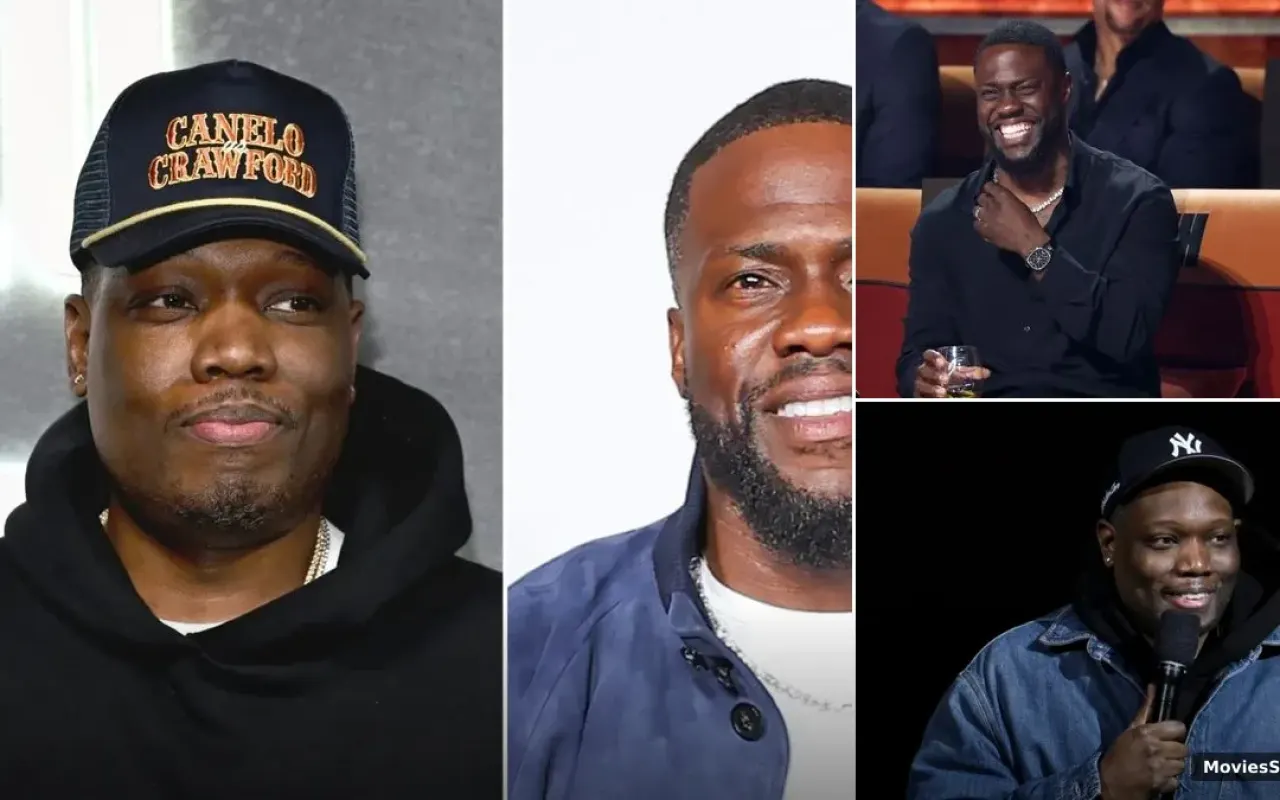
Michael Che was supposed to be at the Kia Forum. He was supposed to be on the dais, trade barbs with Kevin Hart, and probably lean into that signature Weekend Update nonchalance we see every Saturday night. Instead, he was on Instagram, and he had some thoughts. Real talk: the Michael Che Kevin Hart Roast white writers controversy is less about one guy being "mad" and more about a fundamental clash in how different cultures approach the art of the insult.
After pulling out of the live Netflix event due to scheduling conflicts with Saturday Night Live, Che didn't just stay quiet. He went on a posting spree that called out what he saw as a glaring disconnect in the writers' room. "White guys and Black people joke different," Che posted to his Instagram Stories. He argued that while Black roasts focus on things like "look at this n**** shoes!", white roasts go straight for "Slavery, math, slain teens, sex crimes, slurs, family secrets."
The Instagram Post That Sparked the Controversy
The core of the Michael Che Instagram roast comments came down to a specific slide where he mocked the decision-making behind the scenes. He posted an imaginary dialogue: "Lets do a roast celebrating the career of the most successful black comic in the last 10 years. I love that! who should we get to write it?" On the next slide, he dropped a photo of five white writers: Nick Mullen, J.P. McDade, Mike Lawrence, Dan St. Germain, and Zac Amico. His kicker? "Cmonnnnnnnn..thats not funny?"
The critique wasn't just about the skin color of the writers; it was about the vibe of the humor. Che’s point was that the "edgy" style favored by certain circles of the New York and Austin comedy scenes—the kind of humor that thrives on "nothing is off limits"—felt like a weird fit for a celebration of a Black icon. While the Netflix Is a Joke Fest is known for pushing boundaries, Che seemed to be asking: who is pushing them, and at whose expense?
Why Michael Che Dropped Out of the Roast
Before the shade started flying, people were wondering why Che wasn't there in the first place. Look, the math is simple: the roast took place on Sunday, May 5, in Los Angeles. Saturday Night Live was in the middle of production for its May 11 episode hosted by Maya Rudolph. Between the monologue staff duties and the "Weekend Update" desk, the cross-country flight and the rehearsal time just didn't align.
Che wasn't the only one who went missing. The lineup for the roast was a revolving door of comedy heavyweights, with several last-minute additions and dropouts as the live telecast approached. But while others stayed silent, Che used his time off to critique the product from his couch.
Fact Check: Who Actually Wrote the Kevin Hart Roast?
To understand the Netflix roast writing staff diversity, you have to look past Che's Instagram slides. While he highlighted five white writers, the reality of a massive production like this is more complex.
Who wrote the Kevin Hart roast? The Roast of Kevin Hart featured 17 credited writers, including a mix of Black and White comedians. While Michael Che highlighted a group of five white writers hired by host Shane Gillis (Nick Mullen, J.P. McDade, Mike Lawrence, Dan St. Germain, and Zac Amico), the full staff included veteran Black writers such as Harry Ratchford, Chris Spencer, and Joey Wells.
There is a major distinction in TV production between the "show staff" and a "monologue staff." Here is how the room actually broke down:
- The General Staff: This included 17 writers. Among them were Harry Ratchford and Joey Wells, long-time collaborators of Hart and members of the Plastic Cup Boyz. Also on board was Chris Spencer, a legendary comedy writer known for Real Husbands of Hollywood.
- The "Shane Team": Host Shane Gillis brought his own crew. This is common in roasts—the host wants people who speak their specific comedic language. This team included Nick Mullen (of Cum Town fame) and Zac Amico.
- Individual Teams: Performers like Chelsea Handler brought their own writers, including Yamaneika Saunders and Yassir Lester, to ensure their sets felt authentic to them.
The Most Controversial Jokes: Slavery, George Floyd, and Slurs
The Kevin Hart roast controversial jokes are likely what triggered Che's "slavery vs. shoes" comparison. The night was undeniably heavy on racial humor that made even the live audience at the Kia Forum audibly gasp.
Shane Gillis made a series of jokes about Hart’s height that leaned into slavery and lynching imagery—jokes he admitted took "three weeks of deliberation" to clear. Then there was the Tony Hinchcliffe George Floyd joke. Hinchcliffe, known for his "Kill Tony" brand of insult comedy, made a routine about Floyd "looking up at us all" and "laughing so hard he can’t breathe."
Other moments that pushed the envelope included:
- References to Hart's late father's addiction to crack cocaine.
- Jokes from Jeff Ross and Katt Williams regarding Hart’s presence at Diddy’s parties.
- Strategic "almost" uses of the N-word by Pete Davidson and Hinchcliffe.
For Che, these weren't just "jokes"—they were examples of a specific "white roast" style that prioritizes shock value over the observational "ribbing" common in Black comedy circles.
The Writers Respond: Nick Mullen and J.P. McDade React
The Shane Gillis Kevin Hart roast writers didn't take the call-out lying down, but they didn't exactly start a war either. J.P. McDade took the "less is more" approach, resharing Che’s photo of the writers on his own Story with the caption "Don't swipe." It was a cheeky acknowledgment of the heat without the drama.
Zac Amico and Dan St. Germain were more sentimental, praising Gillis for the opportunity. Amico admitted to having "impostor syndrome" while working on the project, while St. Germain joked about Gillis hiring an "exclusively gay male monologue staff" (a bit of classic comedy misdirection). Mike Lawrence later clarified that their specific quintet mainly wrote for Shane and Pete Davidson, rather than the entire show, which explains why that specific group was so homogenous.
Key Takeaways
- Michael Che criticized the roast for relying on white writers to craft jokes for a Black comedy icon's celebration.
- The Michael Che Kevin Hart Roast white writers post specifically targeted five writers brought in by Shane Gillis.
- In reality, the show had 17 credited writers, including Black veterans like Harry Ratchford and Chris Spencer.
- The roast featured highly controversial material, including a Tony Hinchcliffe George Floyd joke and slavery-related quips from Gillis.
- Che's absence was due to Saturday Night Live scheduling, not a protest of the event itself.
The Future of the Netflix Roast
Look, the stand-up comedy world is currently obsessed with "anti-woke" or "edgy" humor, and Netflix is leaning into it. By hiring guys like Gillis and Hinchcliffe, they knew exactly what kind of racial humor they were getting. The question Che raised isn't whether those jokes are "allowed," but whether they actually serve the person being roasted.
Will Che face heat from Netflix? Unlikely. He’s a titan in the industry, and Netflix thrives on the engagement that controversy brings. But the conversation he started about who gets to write the "slurs and slavery" jokes is one that's going to stick around the writers' room long after the Netflix Is a Joke Fest ends. As for Kevin Hart? He seemed to take it all in stride, proving once again that in the world of high-stakes comedy, the only thing that really matters is if the check clears and the crowd laughs.