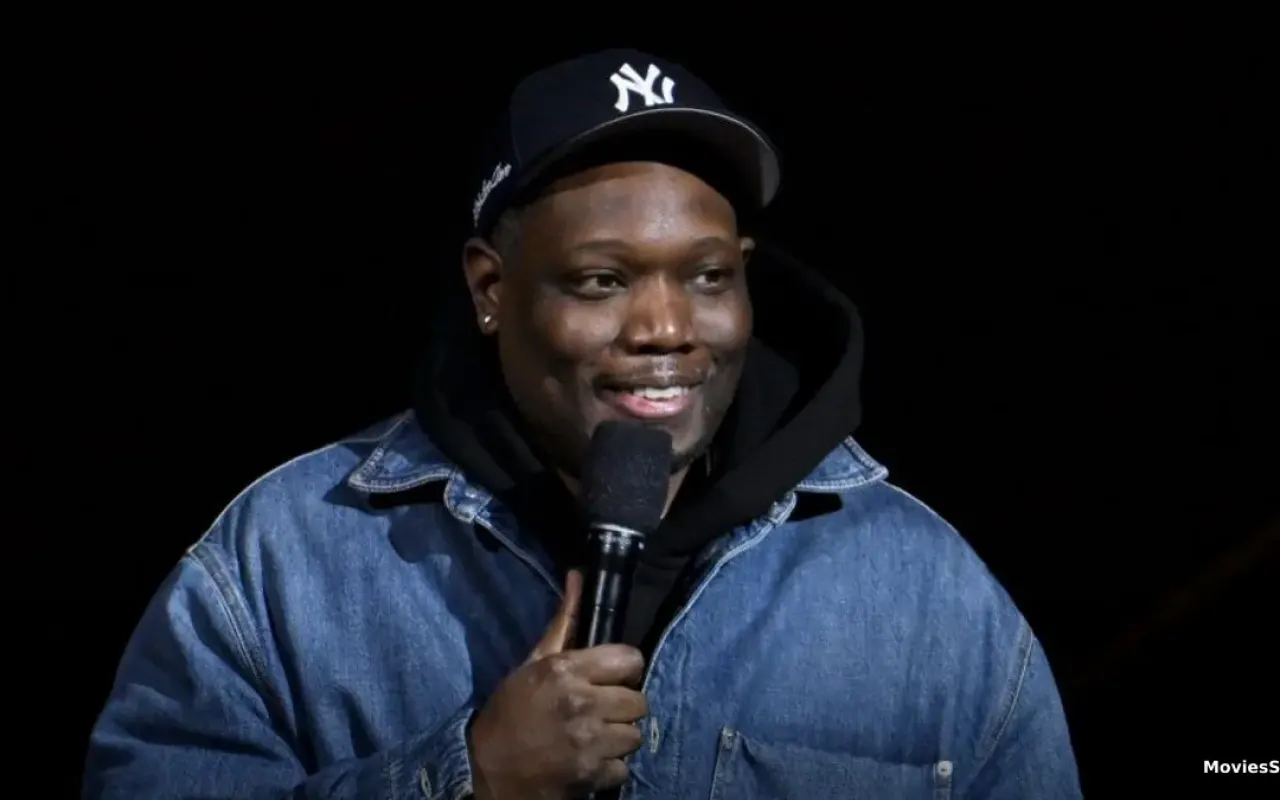
If you spent any time on the internet this week, you probably saw the Michael Che Kevin Hart roast drama bubbling up on your feed. While the live Netflix event was billed as a celebration of one of the biggest stars in comedy, the vibe shifted quickly when Michael Che—who was noticeably absent from the dais—decided to check the receipts on who was actually writing the jokes. Here is the thing: what started as a simple "where is he?" turned into a full-blown conversation about cultural appropriation in comedy and who gets to hold the pen when Black icons are the target.
The Instagram Post That Sparked the Controversy
Michael Che didn't just shadow-box; he posted the screenshots. In a series of now-expired Instagram stories, Che laid out a critique that hit the industry where it hurts. He shared a photo of five writers—Nick Mullen, J.P. McDade, Mike Lawrence, Dan St. Germain, and Zac Amico—all of whom are white, and all of whom were brought in to craft the night's "edgiest" material.
Michael Che criticized the 'Roast of Kevin Hart' for its lack of diversity in the writing room, specifically highlighting a group of five white writers hired by host Shane Gillis. Che argued that white and Black comedians approach roasting differently, citing the use of 'edgy' topics like slavery and slurs by white writers compared to the observational style of Black comedians.
Che’s "Cmonnnnnnnn" punchline wasn't just a joke; it was a pointed look at the Shane Gillis writing team. He argued that there is a fundamental disconnect in how different demographics handle "insult comedy." According to Che, a Black comic will roast you for your "shoes," while white writers tend to reach for "slavery, math, slain teens, sex crimes, and slurs." It’s a distinction that resonated with anyone who felt the night’s humor veered into territory that felt less like a roast and more like a provocation.
Why Michael Che Wasn't There: The Variety Exclusive
The most searched question of the night was simple: Why wasn't Che there? Despite being a staple of the Netflix Is A Joke Fest and a heavy hitter in the roasting world, the Saturday Night Live Weekend Update anchor was MIA. Real talk: it wasn't a protest—at least not initially.
The absence was reportedly due to a mundane SNL scheduling conflict. With the roast taking place on a Sunday night at the Kia Forum in Los Angeles, the logistics of getting back to 30 Rock for the final weeks of the SNL season proved impossible. Che was originally slated to perform, and his absence led to a series of last-minute lineup shuffles that saw other comics stepping in to fill the void. However, the fact that he used his night off to critique the Michael Che Kevin Hart roast dynamics suggests he was watching very closely from the sidelines.
Meet the Writing Team: Diversity by the Numbers
To understand why the Kevin Hart roast writers became a talking point, you have to look at the full 17-person room. While Che highlighted five white writers, the reality is a bit more nuanced, though no less lopsided depending on who you ask. The Netflix roast diversity statistics reveal a fractured room:
- The Shane Gillis Contingent: A five-man team of seasoned roast veterans like Mike Lawrence (a former Roast Battle champion) and Dan St. Germain. These are the "hired guns" known for "mean" comedy.
- The Hart Inner Circle: Longtime collaborators like Harry Ratchford, Chris Spencer, and Joey Wells. These Black writers have been with Hart for years, handling his specials and film work.
- The Solo Teams: Performers like Chelsea Handler and Tony Hinchcliffe brought their own specific writers to ensure their individual sets landed.
The Writers Guild of America (WGA) has long pushed for more inclusive rooms, but in the world of live roasts, comedians often default to their "group chat"—the people they trust to be most ruthless. In this case, that meant a significant portion of the "edgy" jokes about Hart's father’s addiction or racial tropes were being filtered through a white lens before hitting the telecast.
The Writers Strike Back: Social Media Responses
The writers Che called out didn't stay silent. JP McDade took to his own social media, resharing Che's post with the caption "Don't swipe," a cheeky nod to the fact that they knew exactly how the optics looked. Dan St. Germain and Mike Lawrence, both veterans of the Friars Club style of roasting, leaned into the "impostor syndrome" of the moment, acknowledging the tension while defending their craft.
There is a specific "roast" history here. These writers aren't amateurs; they are the architects behind some of the most viral moments in modern roast history. But the backlash highlights a growing fatigue with the "anything goes" defense, especially when the "anything" involves jokes about George Floyd or slavery delivered in a room that doesn't always reflect the community being joked about.
Cultural Context: The Evolution of the Roast
There has always been a divide between the history of Black roasts vs white roasts. If you grew up on Def Comedy Jam, the roasting (or "ribbing") is often personal, observational, and rooted in shared cultural touchpoints. The "white roast" style, popularized by Comedy Central and now Netflix, often prioritizes the "gasp" factor—finding the most taboo subject possible and poking it with a stick.
The Tony Hinchcliffe George Floyd joke is the perfect example. To some, it’s the ultimate "no-holds-barred" comedy; to others, it’s cultural appropriation in comedy, where Black trauma is used as a punchline by people who don't live that reality. Michael Che’s critique suggests that when the writing room lacks balance, the roast stops being a "celebration" and starts feeling like a series of "family secrets" being aired by strangers.
Key Takeaways
- The Conflict: Michael Che missed the roast due to SNL scheduling but used the opportunity to call out the lack of diversity in the writing staff.
- The "Gillis 5": Che specifically targeted five white writers hired by Shane Gillis, sparking a debate on who should write jokes for Black icons.
- The Room: While there were 17 writers total, including Black veterans like Chris Spencer, the "edgiest" jokes were largely attributed to the white writing contingent.
- The Style Gap: Che highlighted a divide between "observational" Black humor and "shock-value" white roasting styles.
- The Fallout: Neither Kevin Hart nor Netflix has officially commented, but the writers involved have acknowledged the controversy on social media.
Look, roasts are meant to be uncomfortable. That’s the point. But as Michael Che pointed out, there is a difference between being uncomfortable because a joke is "too real" and being uncomfortable because the perspective feels off. As Netflix continues to dominate the live comedy space, the question of who gets a seat at the writers' table isn't just about diversity points—it's about whether the jokes actually land. At the end of the day, if the audience is talking more about the writers than the laughs, the roast might be the one getting burned.