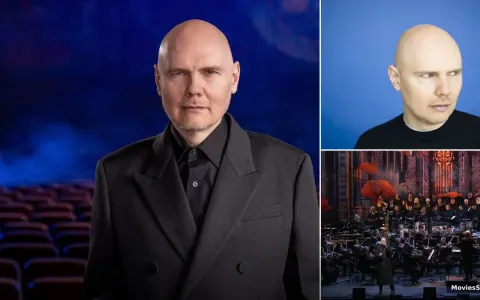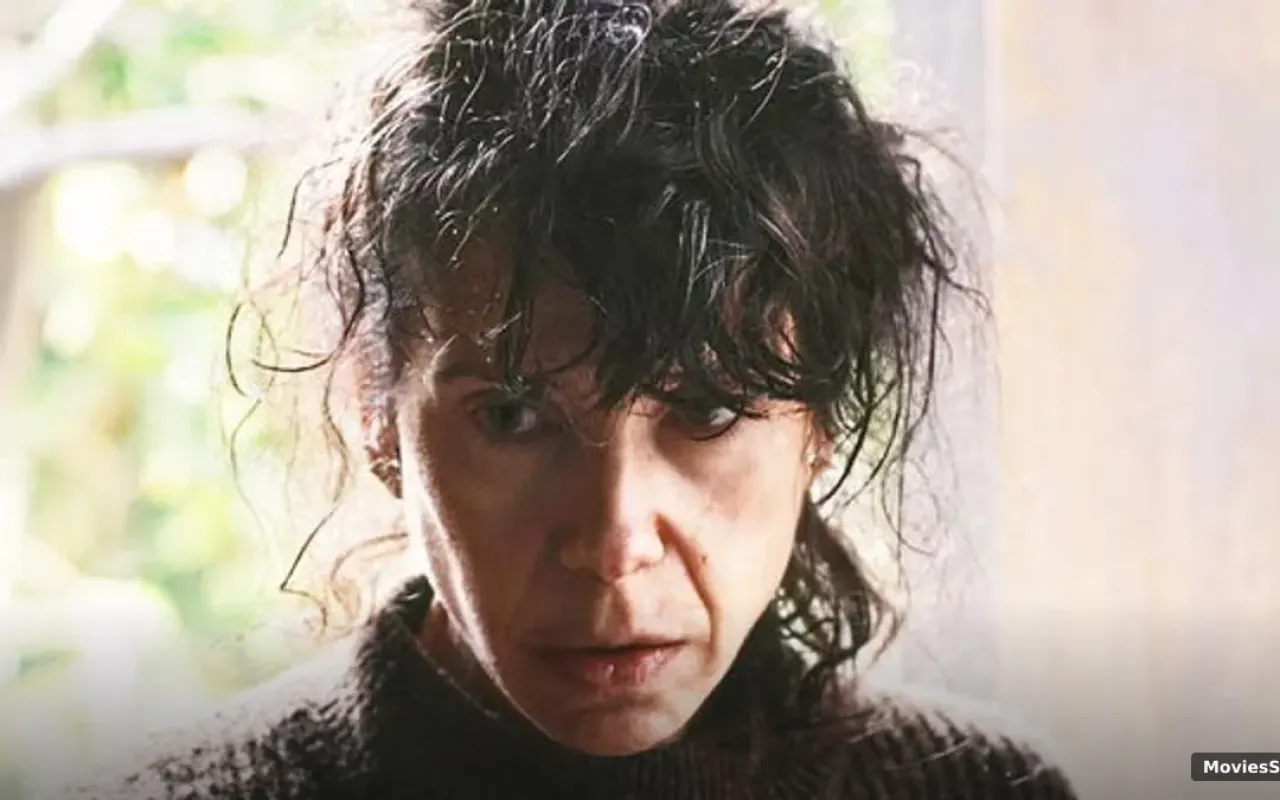
If you feel like the local cinema has become a literal house of horrors lately, you aren’t imagining it. We are currently living through a golden era of the antagonist, where the "bad guys" aren't just masked silent types lurking in the bushes—they are psychological manipulators, occult-obsessed weirdos, and literal manifestations of trauma. The most vile horror movie villains of the 2020s have officially moved past the simple jump scare and into the realm of genuine, soul-crushing dread. From Art the Clown’s festive depravity to the pale, glam-rock nightmare of Longlegs, the bar for what makes a character "disturbing" has been reset.
The wild part? These movies are actually cleaning up at the box office. 2024 proved that audiences don't just want to be scared; they want to be unsettled. We’re talking about movies like Longlegs crossing the $100 million mark and Terrifier 3 dethroning massive studio blockbusters. We read the scripts, analyzed the kill counts, and sat through the most stomach-churning practical effects so you don't have to. Here is the definitive breakdown of the recent horror movie villains that are redefining the genre.
Who are the most vile recent horror villains?
- Art the Clown (Terrifier 3): A silent, demonic mime who uses extreme gore and sadism to turn holiday cheer into a literal bloodbath.
- Longlegs (Longlegs): An occult-worshipping serial killer whose "cuckoo" persona and devotion to the Devil create a suffocating atmosphere of dread.
- Count Orlok (Nosferatu): An animalistic, parasitic vampire who represents physical decay and an inescapable, crushing ethereal delirium.
- Mr. Reed (Heretic): A polite intellectual who uses theological debate and psychological traps to dismantle the faith and safety of his victims.
- The Smile Entity (Smile 2): A metaphysical parasite that feasts on trauma, forcing its hosts into public, gruesome acts of self-destruction.
- Aunt Gladys (Weapons): A witchy, reality-warping entity who forces children to commit unspeakable acts against their own families.
- Ellie/The Deadites (Evil Dead Rise): A possessed mother who turns the domestic safety of an apartment complex into a claustrophobic meat grinder.
- The Grabber (The Black Phone): A sadistic kidnapper who uses magic tricks and a terrifying rotating mask to break the spirits of children.
- Pearl (Pearl): A repressed, aspiring starlet whose desperate need for validation manifests as a murderous, pitchfork-wielding spree.
- M3GAN (M3GAN): An AI-driven doll whose protective programming evolves into a cold, calculated, and meme-able killing machine.
1. Art the Clown (Terrifier 3): The New King of Gore
If there was any doubt that Art the Clown has secured his spot as a modern horror icon, Terrifier 3 put that to rest. Created by Damien Leone, who pulls double duty as the director and the lead SFX makeup artist, Art represents a return to the "pure" slasher, but with the volume turned up to eleven. Unlike Michael Myers or Jason Voorhees, Art isn't just a mindless killing machine; he’s a performer. He finds genuine, childish glee in his work, which makes his most vile horror movie villains status undisputed.
The kill count in the third installment is staggering, but it’s the "quality" (if you can call it that) over quantity that sticks. The infamous shower scene involving Mia and Cole is already being cited as one of the most disturbing sequences in cinematic history. Dressed as a grimy Santa Claus, Art uses a chainsaw to deliver "festive frivolity" in a way that makes the original 1916 Terrifier look like a Disney movie. Real talk: the juxtaposition of Art acting like an overexcited child—wetting himself on a mall Santa’s lap or washing dishes after a massacre—is exactly what triggers that deep-seated uncanny valley fear.
Expert Verdict: Damien Leone’s mastery of practical effects is the secret sauce here. In an era of CGI blood splatter, the "wet" look of Art's kills feels dangerously real. Art doesn't just kill you; he creates a "Jackson Pollock-esque masterpiece" out of your remains. With Terrifier 3 raking in over $50 million on a shoestring budget, Art is officially the new face of the slasher sub-genre.
2. Longlegs (Longlegs): Nicolas Cage’s Occult Nightmare
While Art the Clown is loud and messy, the antagonist of Osgood Perkins’ Longlegs is a masterclass in "less is more." Nicolas Cage plays Dale Ferdinand Kobble, aka Longlegs, an occult-worshipping serial killer who has been orchestrating familicides since the 1960s. The brilliance of this character lies in his screen time—or lack thereof. Cage is only on screen for a fraction of the film, a move Cage himself insisted on to avoid the character becoming "too ridiculous."
Longlegs isn't your typical disturbing movie antagonist. He looks like a failed 70s glam rock star who had a tragic run-in with a plastic surgeon. His voice is a rasping, breathless whisper that can pivot into a glass-shattering screech in seconds. The "cuckoo" scene in the hardware store is a prime example of his unpredictable horror villain energy. He isn't just scary; he’s deeply, profoundly weird. The connection to "the Man Downstairs" (Satan) adds a layer of supernatural inevitability to his crimes. He doesn't just break into houses; he uses "cuckoo" hardware and possessed dolls to make the families destroy themselves from the inside out.
The Catch: How does Longlegs choose his victims? The film suggests a mathematical, astrological precision linked to the 14th of every month. It’s not random; it’s a ritual. This villain motivation analysis reveals a man who has completely "unmade" himself in service to a higher, darker power, leading to that horrific final confrontation where he smashes his own face into a table to "save himself from the hell of living."
3. Count Orlok (Nosferatu): Bill Skarsgård’s Animalistic Vampire
We’ve seen vampires as sparkly boyfriends and suave aristocrats, but Robert Eggers is bringing back the supernatural entity as a literal parasite. In the upcoming Nosferatu, Bill Skarsgård takes on the role of Count Orlok, and early reports suggest he is unrecognizable. Skarsgård, who already cemented his scariest horror characters status as Pennywise, reportedly spent hours in makeup to transform into a creature that is "in dire need of an oxygen cylinder and a manicure."
This version of Orlok moves away from the iconic Max Schreck look of 1922 and toward something more animalistic and physically decaying. Eggers’ vision focuses on "crushing dread." Orlok represents a pestilence—a body horror nightmare that brings rats, plague, and "ethereal delirium" wherever he goes. The makeup transformation is said to be so extreme that Skarsgård himself claimed he never wants to play something "this evil" again.
Why it works: Unlike the modern horror icons who rely on quips or masks, Orlok is a presence. Even when he’s off-screen, his influence is felt in the "sickening slurping sounds" and the way characters like Herr Knock begin to lose their minds, biting the heads off pigeons in a fit of "egregious delirium." It's a reminder that the oldest monsters are often the most effective.
4. Mr. Reed (Heretic): The Terror of Polite Conversation
Sometimes the most vile horror movie villains don't wear masks or have fangs—they just have a really nice house and a blueberry-scented candle. In A24’s Heretic, Hugh Grant plays Mr. Reed, a man who turns a psychological thriller into a theological cage match. When two young missionaries knock on his door, they expect a standard conversion attempt. Instead, they find themselves trapped in a house designed to deconstruct their entire belief system.
Mr. Reed is terrifying because he is "polite." He uses intellectual villainy as a weapon, employing Monopoly metaphors and religious history to gaslight his victims. This is a classic horror villain archetype: the Sophisticated Sadist. He doesn't need to chase you with a knife when he can make you doubt the very nature of your soul. The horror here is claustrophobic and cerebral, proving that the protagonist's greatest threat isn't always a monster, but a man with a plan and a lack of empathy.
"I wanted to see if they could defend what they believe when the doors are locked and the tea is served." — A chilling sentiment that defines Mr. Reed's approach to "hospitality."
5. The Smile Entity (Smile 2): Trauma as a Feast
The "Smile" entity (or Monstrosity, as it’s officially dubbed) is perhaps the most relentless supernatural entity on this list. In Smile 2, the curse infects pop star Skye Riley, played by Naomi Scott in a performance that Rotten Tomatoes critics are calling a "tour de force." The entity is a "grotesque parasite" that feeds on trauma, and by the end of the sequel, it has scaled its operation from individual victims to "thousands of adoring fans."
The origin of the Smile entity remains shrouded in mystery, which only adds to its power. It’s an unstoppable force that manipulates reality so thoroughly that the victim (and the audience) can never be sure what is real. The body horror elements—like the entity crawling inside Skye’s mouth or forcing her to ram a microphone into her eye—are designed to trigger a visceral disgust. It’s the ultimate unpredictable horror villain because it uses your own mind against you.
- Gore Scale: 8/10 (The eye-mic scene is a lot).
- Psychological Terror: 10/10 (Total loss of agency).
- Meme-ability: High (The 'Smile' has become a viral marketing staple).
The Anatomy of a Vile Villain: What Makes Us Scream?
Why do these specific disturbing movie antagonists resonate with us now? It comes down to the Anatomy of Evil. We are seeing a shift away from the "invincible slasher" (who you can eventually outrun) toward the "invasive monster." Whether it's the Smile entity infecting your mind or Longlegs infecting your family's safety through "cuckoo" dolls, these villains represent a loss of control.
Practical vs. Digital: The Battle for Realism
One major reason 2024 has been such a standout year for the most vile horror movie villains is the return to practical effects. Damien Leone (Terrifier) and Robert Eggers (Nosferatu) prioritize physical sets and makeup over CGI. When you see Art the Clown’s "Santa Sack" or Orlok’s spindly, sharp nails, your brain registers them as "real" objects in a way that digital monsters can't replicate. This triggers the uncanny valley effect—where something looks almost human, but is just "off" enough to cause a fight-or-flight response.
The 'Final Girl' Dynamic Evolution
The way our protagonists fight back has also changed. In Terrifier 3, Sienna Shaw (Lauren LaVera) has evolved into a "warrior" archetype, literally donning armor to face Art. In contrast, Lee Harker (Maika Monroe) in Longlegs uses her intuition and FBI training to navigate a supernatural maze. We are moving away from the "accidental survivor" and toward the "specialized hunter." This makes the villains feel more dangerous because they require a higher level of skill—or a total sacrifice—to defeat.
Key Takeaways: The State of Modern Horror
- Practical effects are king: The most effective villains of 2024 (Art, Orlok) rely on physical makeup and "wet" gore to create impact.
- The "Elevated" Villain: Characters like Mr. Reed and Longlegs show that psychological thriller elements are being woven into traditional horror to create deeper dread.
- Box Office Dominance: Indie horror (Neon, A24) is outperforming major studios by leaning into "vile" and "disturbing" content that mainstream films shy away from.
- The Supernatural Shift: Even human-looking villains (Longlegs) often have an occult or demonic backing, making them feel like an "unstoppable force."
- Trauma as a Tool: Modern villains like the Smile Monstrosity use the protagonist's past as a weapon, making the horror deeply personal.
The Future of Fear: Upcoming Villains to Watch
As we look toward late 2025 and 2026, the cinematic universe of horror is only getting darker. We have the return of the "Deadites" in new Evil Dead projects, and rumors of a Heretic sequel that could explore the origins of Mr. Reed’s "test." There is also the mysterious Weapons from Zach Cregger, which promises to introduce Aunt Gladys to a wider audience.
The most vile horror movie villains aren't just here to give us jump scares; they are here to stay in our heads long after the credits roll. Whether it’s through the "crushing dread" of a vampire or the "festive frivolity" of a killer clown, the genre is proving that there are still new ways to make us look away from the screen—and then look right back. The only question is: who will you let in next?