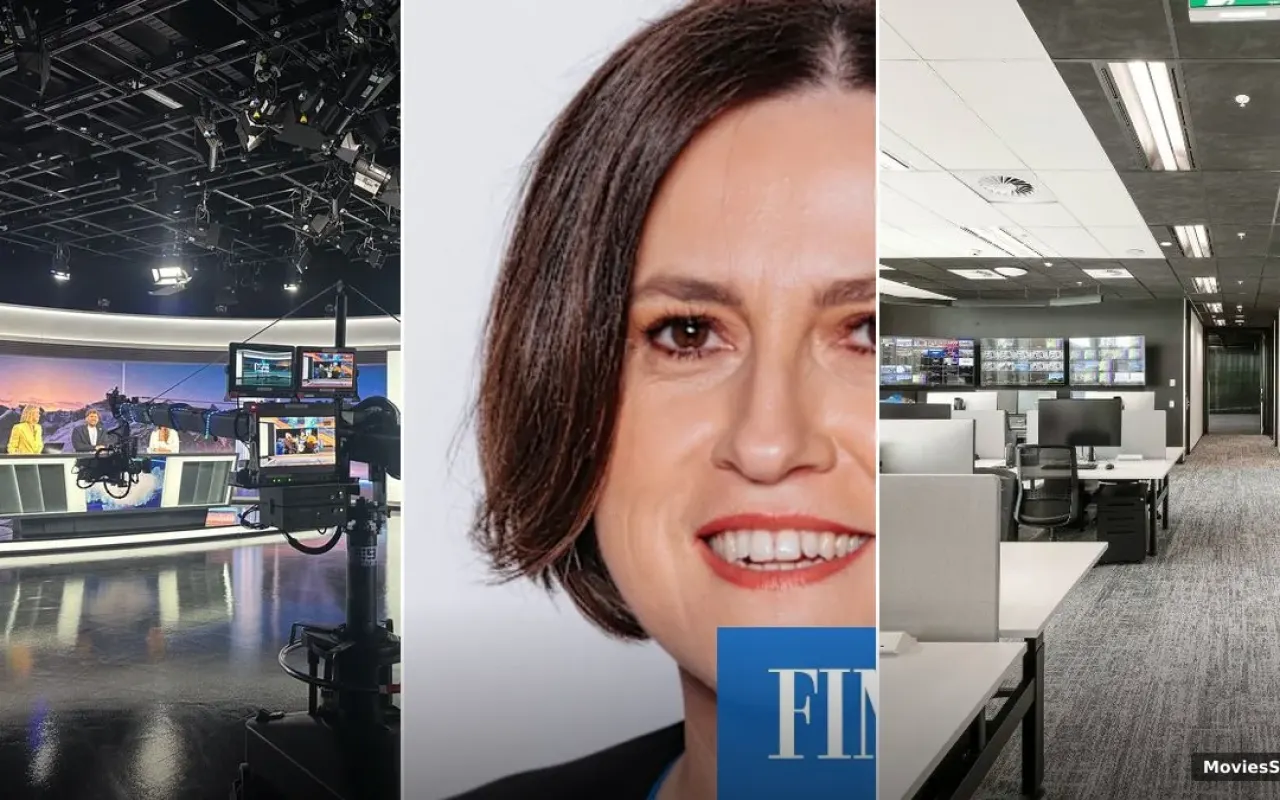
The Nine Network Future News restructure represents the most significant overhaul of Australia’s largest television newsroom in decades. As linear television audiences continue to fragment toward digital platforms like TikTok and YouTube, Nine is pivoting from a traditional "bulletin-first" strategy to a "story-centric" model. This multi-year transformation, led by Executive Director of News and Current Affairs Fiona Dear, aims to dismantle a legacy system that has governed broadcast news for nearly half a century.
While the transition promises a modernized, cloud-based newsroom, it comes with a human cost. The network has confirmed that the first phase of the project will result in approximately 20 Nine Network redundancies across its 800-strong workforce. However, the scope of the change extends far beyond headcounts; it is a fundamental reimagining of how news is gathered, edited, and distributed in an era where the 6pm bulletin is no longer the sole arbiter of audience attention.
What is the Nine 'Future News' Project?
Nine's Future News project is a multi-year transformation program at Nine Network designed to modernize news production through cloud-based technology like Mimir and Saga. By shifting to a 'story-centric' model, the network aims to reduce over 100 legacy job titles into 9 core roles to better serve digital and linear audiences simultaneously through a unified workflow.
The project is not merely a response to declining broadcast earnings—which fell to $168 million last year—but a proactive move to "future-proof" the broadcast division. By investing heavily in new technology and training, Nine intends to create a newsroom that can compete with global digital giants while maintaining its dominance in the local market.
The 9 New Roles: From 100+ Titles to a Streamlined Workforce
One of the most radical aspects of the Nine Network Future News restructure is the consolidation of more than 100 specialized job titles into just nine broader, multi-skilled roles. This shift is designed to eliminate silos between television, digital, and social media teams, creating a workforce capable of producing content for any platform at any time.
The new core roles include:
- Multimedia Journalist: A versatile role that balances traditional TV reporting with the immediate requirements of social media and digital platforms.
- Story Editor & Digital Story Editor: These roles replace specialized sub-editing and digital production titles, focusing on the narrative arc of a story across multiple formats.
- Rundown Editor: Responsible for the pacing and structure of both linear broadcasts and digital news streams.
- Media Enrichment Technician: A critical new role focused on metadata, AI-driven tagging, and ensuring content is discoverable and "enriched" for long-term archival and search engine optimization.
- Chief of Staff, Graphic Designer, Camera Editor, and Senior Video Editor: Modernized versions of traditional roles, now integrated into a cloud-based environment.
The Nine News multimedia journalist role is expected to be the most demanding, requiring reporters to think beyond the 90-second TV package. Industry analysts suggest this move mirrors models used by NBC Universal and RTL, where journalists are expected to be "platform agnostic." However, this has raised questions among staff regarding the potential for burnout and whether the quality of the flagship 6pm bulletins will be maintained with fewer specialized staff members.
The Tech Stack: Mimir, Saga, and Adobe Premiere Pro
At the heart of the Nine Future News project is a massive technological upgrade. The network is retiring more than 120 legacy systems—many of which are nearing the end of their functional life—and replacing them with three primary, cloud-based platforms. This move is designed to facilitate newsroom automation and allow for seamless collaboration between Sydney, Canberra, and foreign bureaus.
The new "tech trinity" consists of:
- Mimir: A cloud-native video production and asset management tool that uses AI to automate transcriptions, object detection, and metadata logging.
- Saga: A sophisticated workflow program that manages the lifecycle of a story from initial tip-off to final publication across all platforms.
- Adobe Premiere Pro: The industry-standard editing software, which will replace various proprietary and aging editing suites currently in use.
By moving to cloud-based systems, Nine journalists will be able to edit and file stories from anywhere in the world without the latency issues associated with traditional server-based workflows. This agility was recently demonstrated when Nine published a documentary on Prince Andrew to YouTube, garnering 2.5 million views before the Australian audience had even woken up for the morning news.
Timeline of Implementation: Key Dates for 2026
The rollout of the new structure is being handled with a phased approach to minimize disruption to live broadcasts. Fiona Dear has outlined a strict consultation and implementation timeline that will see the first major changes take effect in late 2026.
"This isn’t about doing the same work with fewer people to save money; it’s about acknowledging that the work itself is changing across our industry and we must adapt to survive and thrive," Dear stated in a memo to staff.
Key dates for the transition include:
- August 5, 2026: The new structure and technology go live for the general newsrooms in Sydney and Canberra, as well as the Video Content Team and foreign bureaus.
- October 21, 2026: The Today Show, which employs approximately 315 staff, will complete its transition to the Future News workflow.
- November 2026: Staff who have opted for voluntary redundancy or whose roles have been made redundant will officially depart the network.
Consultations for the Brisbane bureau and other regional markets, including Newcastle and Darwin, are expected to follow, though the impact on regional newsrooms remains a point of concern for the Media, Entertainment & Arts Alliance (MEAA).
The MEAA Response and the Human Impact
The MEAA response to Nine job cuts has been one of cautious scrutiny. While the union acknowledges the need for technological advancement, there are significant concerns regarding the "multi-skilling" of roles. Union officials have pointed out that asking a single employee to perform the duties previously handled by three different specialists can lead to a decline in editorial standards and increased workplace stress.
Furthermore, the Nine News job cuts 2026 follow a previous announcement of 50 roles being axed across the streaming and broadcast divisions. When combined, these reductions represent a significant contraction of the workforce. While Nine executives insist that "cost is not driving our decision-making," media analysts point to the structural decline of linear television advertising revenue as the undeniable catalyst for these efficiencies.
Regional Future and Competitive Landscape
While the focus of the Nine Network Future News restructure is currently on the major metropolitan hubs, the future of regional newsrooms in Newcastle and Darwin remains uncertain. There is speculation that the move toward a "story-centric" cloud model could lead to further centralization of news production in Sydney, potentially reducing the local footprint in regional Australia. This stands in contrast to Seven West Media, which has maintained a different digital strategy, though both networks are grappling with the same audience fragmentation.
The "Media Enrichment Technician" role may be the key to Nine's regional survival. By ensuring that regional content is properly tagged and optimized for digital discovery, Nine can monetize local stories through global platforms, creating new revenue opportunities that were previously unavailable under a broadcast-only model.
Key Takeaways
- Strategic Pivot: Nine is moving from a "bulletin-first" to a "story-centric" model to combat the decline of linear TV.
- Role Consolidation: Over 100 job titles are being reduced to 9 core roles, including the new Media Enrichment Technician.
- Job Losses: Approximately 20 roles will be cut in the first phase, with voluntary redundancies offered in late 2026.
- Tech Overhaul: The network is ditching 120+ legacy systems for a cloud-based stack featuring Mimir, Saga, and Adobe Premiere Pro.
- Implementation: Sydney and Canberra newsrooms transition in August 2026, followed by the Today Show in October 2026.
Conclusion: A Bold Gamble on a Digital Future
The Nine Network Future News restructure is a bold gamble that the future of journalism lies in platform-agnostic storytelling rather than the traditional 6pm appointment viewing. By modernizing its broadcast division and streamlining its workforce, Nine is attempting to bridge the gap between its heritage as a TV powerhouse and its future as a digital content leader.
Whether this restructure will actually "future-proof" the network remains to be seen. The success of the project will depend on whether the remaining staff can maintain the high editorial standards of 9News while juggling the relentless demands of a 24/7 digital cycle. As Fiona Dear noted, the program will "stretch us all in new ways," but for Nine, the alternative—stagnation in a declining market—is no longer an option.