For years, the cinematic landscape has been haunted by the specter of "superhero fatigue." Following the record-shattering heights of the late 2010s, a string of box office disappointments and critical darlings that failed to find an audience led many to believe the golden age of capes and cowls was over. However, superhero fatigue Peter Safran believes, is a fundamental misunderstanding of why audiences are staying home. The DC Studios Co-CEO is betting the future of the new DC Universe (DCU) on a provocative counter-theory: the genre isn't dying; it’s just being starved of quality.
The 'Mediocre Movie Fatigue' Argument: Safran's Bold Claim
In a recent discussion regarding the trajectory of DCU Chapter One movies, Peter Safran dismissed the notion that viewers are inherently tired of costumed heroes. Instead, he pinpointed a specific culprit for the recent downturn in the genre's dominance. Safran argues that the industry is actually suffering from a quality crisis rather than a genre-wide rejection.
What is mediocre movie fatigue? Mediocre movie fatigue is a term popularized by DC Studios Co-CEO Peter Safran to describe audience disinterest not in the superhero genre itself, but in low-quality, formulaic storytelling. Unlike "superhero fatigue," which suggests a permanent shift in taste, this concept emphasizes that high-quality, original content still performs well while "mediocre" films are increasingly rejected by discerning modern audiences.
Safran’s perspective aligns closely with the DC Studios creative philosophy championed by his partner, James Gunn. While Gunn has previously acknowledged that "spectacle films" can become a "grind" without emotionally grounded stories, Safran’s latest comments take a harder line. By labeling recent failures as "mediocre," he sets a high bar for the upcoming slate, starting with 2025’s Superman and continuing into the 2026 release of the Supergirl Woman of Tomorrow movie.
Supergirl: Woman of Tomorrow — A 'Cool and Original' Space Fantasy
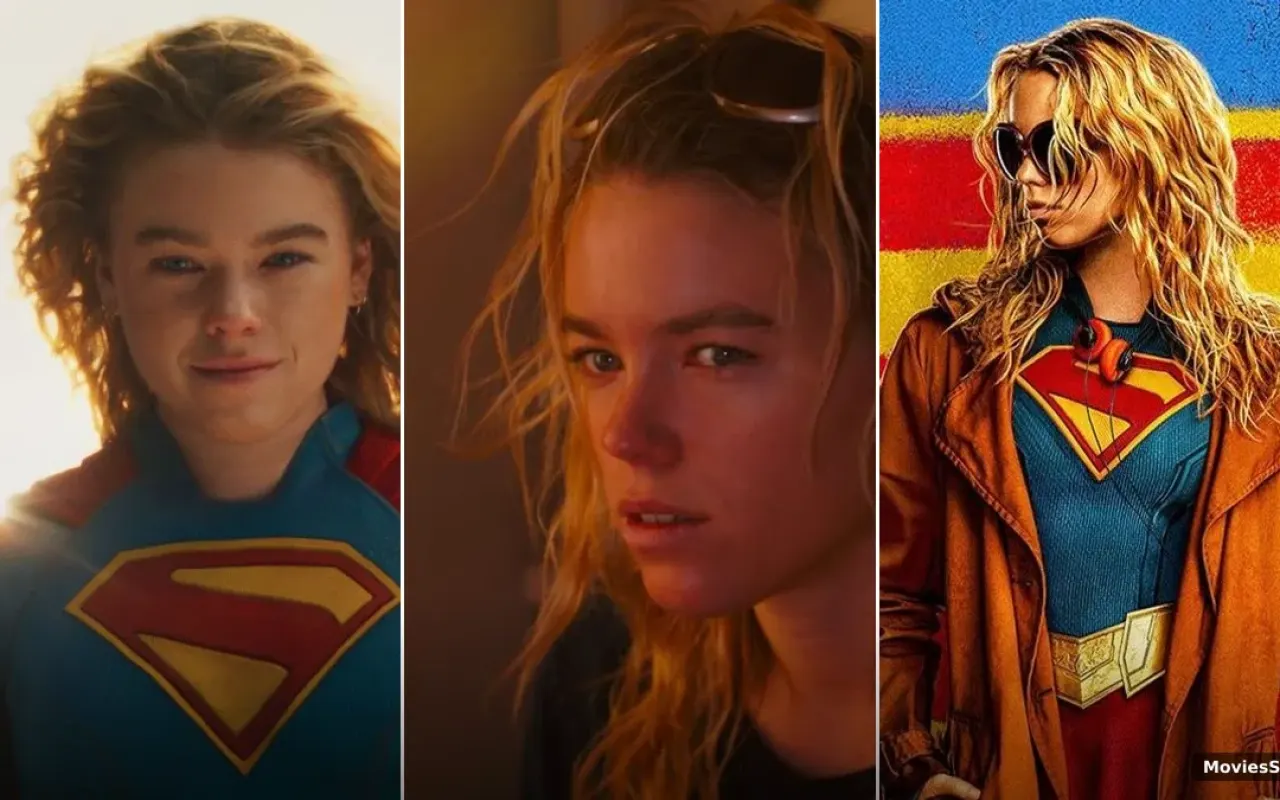
To combat this perceived mediocrity, DC Studios is pivoting away from traditional Earth-bound tropes. While the Milly Alcock Supergirl DCU debut will technically be a superhero film, Safran and Gunn are categorizing it as a "Space Fantasy." This distinction is critical for the film's interstellar journey narrative, which moves Kara Zor-El far away from the familiar streets of Metropolis.
The film is an adaptation of the critically acclaimed Tom King comic and Bilquis Evely’s breathtaking artwork. Unlike her cousin Kal-El, who was raised by loving parents in Kansas, this version of Kara Zor-El saw her world die around her as she drifted on a fragment of Krypton. This Kara Zor-El character arc is significantly darker and more hardened than previous iterations; the source material even depicts her celebrating her 21st birthday by drinking on a planet with a red sun to feel the effects of alcohol—a far cry from the "Girl of Steel" persona seen in the CW series.
- Genre Shift: Moving from "urban hero" to "space fantasy" allows for more creative visual world-building.
- The Quest: The story follows Kara as she is recruited by a young alien girl, Ruthye Marye Knoll, for a mission of vengeance.
- The Stakes: The journey involves saving Krypto the Superdog after he is poisoned by the villainous Krem of the Yellow Hills.
Why 'Woman of Tomorrow' was Chosen
Industry analysts suggest that Woman of Tomorrow was selected as a cornerstone of Chapter One because it subverts every cliché of the genre. It functions more like a cosmic Western or a "Space Odyssey" than a standard origin story. By leaning into the "fantasy" elements, DC Studios can utilize IMAX Corporation screens to their full potential, offering a visual experience that feels distinct from the "gray-sludge" aesthetic that has plagued some recent blockbusters.
The Cast and Creative Powerhouse Behind the Scenes
The success of this "anti-fatigue" strategy rests on the shoulders of a meticulously assembled team. Milly Alcock, who rose to international fame in House of the Dragon, was chosen for her ability to portray both vulnerability and a "don't mess with me" edge. Her casting signals a shift toward high-pedigree talent capable of handling complex emotional beats.
Adding to the film's "cool factor" is the inclusion of Jason Momoa Lobo. While Momoa previously played Aquaman, his transition to the "Main Man" of the DC Universe has been one of the worst-kept secrets in Hollywood. Lobo’s presence as an "unlikely companion" to Kara adds a layer of grit and dark humor to the interstellar journey, potentially pushing the Supergirl movie age rating toward a "hard PG-13" or even a "soft R," depending on how closely they adhere to the comic’s violence.
Director Craig Gillespie (I, Tonya, Cruella) brings a unique stylistic flair to the project. Gillespie is known for his kinetic camera work and focus on outsider characters, making him a perfect fit for a story about a cynical Kryptonian and a space-faring bounty hunter. Furthermore, the technical crew includes heavy hitters like composer Ramin Djawadi, whose work on Game of Thrones suggests the score will be epic, operatic, and distinctly "fantasy" in nature.
2026: The Year the Superhero Genre is Tested
The Peter Safran DC Studios interview comes at a pivotal time for Warner Bros. Pictures. The year 2026 is shaping up to be a battlefield for audience attention, serving as the ultimate test for Safran’s "mediocre movie" theory. The DCU vs MCU 2026 showdown will see Supergirl (June 26) sandwiched between major Marvel releases.
| Release Date | Film Title | Studio | Genre/Tone |
|---|---|---|---|
| June 26, 2026 | Supergirl: Woman of Tomorrow | DC Studios | Space Fantasy / Epic |
| July 2026 | Spider-Man: Brand New Day | Marvel/Sony | Urban Action / Coming-of-Age |
| October 2026 | Clayface | DC Studios | Body Horror |
| December 2026 | Avengers: Doomsday | Marvel Studios | Ensemble Spectacle |
While Marvel’s Kevin Feige has often defended the genre by citing "variety," Safran is being more surgical. He is betting that by the time Supergirl hits theaters, audiences will have already been primed by James Gunn's Superman (2025). If Superman proves that the genre can still be "hopeful and classic," Supergirl is designed to prove it can be "cool and original."
Addressing Content Gaps: What the Critics Missed
One aspect often overlooked in the discussion of "fatigue" is the Supergirl movie filming locations and production status. While much of the film will rely on cutting-edge volume technology and VFX to create its alien vistas, the production is aiming for a "tactile" feel to avoid the "nonsense onscreen" that James Gunn warned about. By grounding the alien environments in physical sets, the production hopes to avoid the visual fatigue associated with entirely digital environments.
Additionally, the "Space Fantasy" pivot is a direct answer to the success of films like Dune and Guardians of the Galaxy. These films proved that audiences aren't tired of heroes; they are hungry for world-building. The Kara Zor-El character arc in Woman of Tomorrow provides a narrative depth that "mediocre" films often skip in favor of the next action set-piece.
Key Takeaways
- Peter Safran argues that "superhero fatigue" is actually a rejection of "mediocre" filmmaking.
- Supergirl: Woman of Tomorrow will be a "Space Fantasy," not a traditional Earth-based superhero movie.
- The film is heavily inspired by Tom King’s 2021-2022 comic run, known for its mature themes.
- Milly Alcock stars as a battle-hardened Kara Zor-El, joined by Jason Momoa’s Lobo.
- The film is scheduled for release on June 26, 2026, positioning it as a major summer blockbuster.
Conclusion: A New Era for DC Studios
The stakes for Supergirl: Woman of Tomorrow could not be higher. If Peter Safran is correct, the film will not only be a box office success but will also serve as a blueprint for how the genre survives the next decade. By focusing on character-first storytelling and bold genre experimentation, DC Studios is attempting to move past the "bashing moments" of the past and into a future where every film feels like an event. Whether audiences agree that "mediocre" was the problem all along will be decided in the summer of 2026.