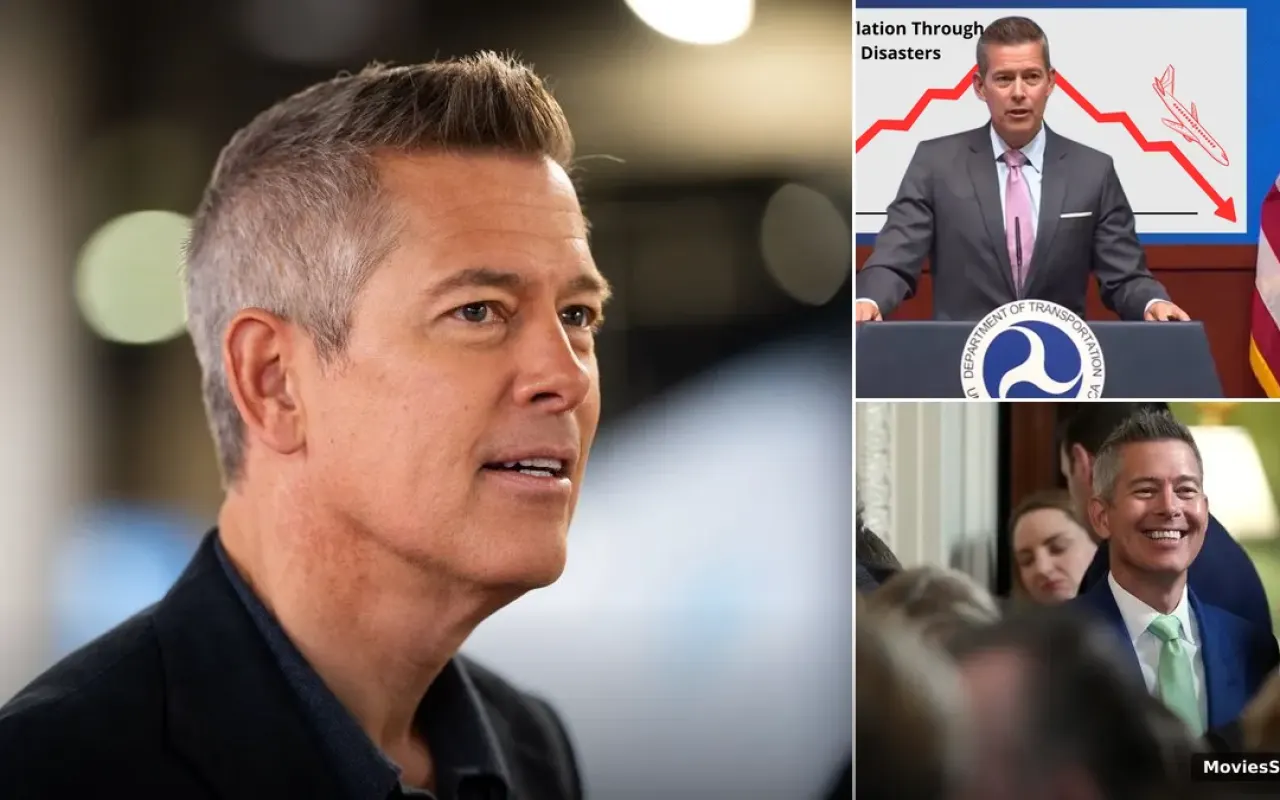
Transportation Secretary Sean Duffy is trading the briefing room for a tour bus, and the internet has thoughts. The former MTV star turned Cabinet member recently announced a new project that feels like a glitch in the political matrix: a five-part YouTube series titled The Great American Road Trip. While the Sean Duffy reality show is being marketed as a patriotic celebration of America’s 250th birthday, it has ignited a high-stakes ethics row involving corporate giants like Boeing and a very public feud with his predecessor, Pete Buttigieg.
The controversy surrounding Transportation Secretary Sean Duffy's reality show, 'The Great American Road Trip,' stems from ethics concerns regarding corporate sponsors (like Boeing and United Airlines) that his agency regulates, and criticism that the show is 'tone-deaf' during a period of record-high gas prices and airline instability.
What is 'The Great American Road Trip'?
At its core, the Sean Duffy reality show is a family-centric travelogue. Filmed over a seven-month period using weekends, school breaks, and "short production windows," the series follows Sean, his wife Rachel Campos-Duffy (a Fox News host and fellow Real World alum), and their nine children as they traverse the United States. The goal? To celebrate America 250—the nation’s upcoming semi-quincentennial in 2026.
The project reportedly grew out of a directive from the Oval Office, with the President encouraging Cabinet members to find creative ways to mark the milestone. For Duffy, who first rose to fame on 1997’s MTV Real World Boston and later Road Rules All Stars, returning to the screen felt like a natural pivot. However, the optics of a sitting Transportation Secretary filming a lifestyle series while the country faces a logistics crisis have proven to be a tough sell for critics.
The Ethics Debate: Who Really Paid for the Show?
The biggest question looming over The Great American Road Trip Duffy project isn't about the cinematography—it's about the receipts. Critics, including the watchdog group Citizens for Responsibility and Ethics in Washington (CREW), have raised alarms about a potential conflict of interest. While Duffy insists that no taxpayer dollars were used, the alternative funding source is arguably more complicated.
The show is funded by a nonprofit organization called "The Great American Road Trip Inc.," a 501(c)(4) entity. Because of its tax status, this "social welfare" organization isn't required to disclose its full donor list, leading to calls for 501(c)(4) donor transparency. However, several corporate sponsors have already been "powering" the project, including:
- Boeing: Currently under intense Boeing safety concerns and federal investigations.
- United Airlines: A major carrier regulated directly by the DOT.
- Shell: A global energy giant benefiting from current Shell gas prices.
- Toyota: Subject to DOT-mandated safety recalls and fuel economy standards.
- Google & Enterprise: Tech and rental giants with significant regulatory interests.
The Sean Duffy ethics controversy centers on 5 CFR Part 2635 ethics rules, which govern the "misuse of position" and the acceptance of "conduit gifts." Independent legal experts point out that when a Secretary’s family accepts travel, lodging, and production costs from companies the Secretary regulates, the line between a "civic experience" and a regulatory favor begins to blur. While a DOT ethics official approval letter reportedly cleared the participation, the "impartiality" requirement of federal service remains a sticking point.
Duffy vs. Buttigieg: A Tale of Two Secretaries
The announcement of the show immediately triggered a digital cage match between the current and former DOT heads. Chasten Buttigieg sparked the fire by calling the Duffys "unfocused, unserious, and out of touch," referencing past conservative criticism Pete Buttigieg faced for working from his son's ICU bedside.
Pete Buttigieg joined in, labeling the Transportation Secretary reality show "brutally out of touch." The feud has become a proxy war for their respective tenures. Rachel Campos-Duffy fired back, claiming her husband has done more in one year than Buttigieg did in four, specifically citing a 20% increase in hiring air traffic controllers and the modernization of the FAA's tech stack.
This isn't the first time a DOT Secretary has been on camera. In 2021, the Mayor Pete documentary offered a behind-the-scenes look at Buttigieg’s campaign and early days in office. However, the Sean Duffy reality show differs significantly in its structure: it is a produced, multi-part series funded by regulated industry players, whereas the Buttigieg documentary was an independent film project. The comparison highlights a shifting standard for how public officials leverage their personal brands while on the clock.
The Economic Context: Sean Duffy Gas Prices and the Iran War
The timing of the Rachel Campos-Duffy road trip couldn't be more awkward for the administration's PR team. As the Duffys "hit the open road," the average American is struggling to fill their tank. Following the outbreak of the US-Iran conflict, US-Iran war fuel costs have sent gas prices skyrocketing to a national average of $4.53 per gallon—with some states like California seeing $6.13.
The Sean Duffy gas prices narrative is particularly sharp because the DOT is simultaneously overseeing the fallout of the Spirit Airlines collapse. The budget carrier went out of business in May 2026, leaving thousands of employees jobless and reducing travel options for low-income families. While Duffy blames his predecessor's decision to block the JetBlue-Spirit merger for the failure, critics argue that a Secretary filming a YouTube series while a major airline disappears is the definition of "main character energy" gone wrong.
The Numbers Behind the Crisis
- Gas Price Surge: +52% increase since February 2026.
- Diesel Spike: +50% increase, driving up grocery and shipping costs.
- Spirit Airlines Impact: Thousands of jobs lost and dozens of regional routes canceled.
- ATC Staffing: 20% increase in air traffic controller hiring under Duffy, a rare bright spot.
Official DOT Response and Ethics Clearance
The Department of Transportation has remained firm: this project is a private endeavor. According to a DOT spokesperson, the Great American Road Trip Inc. covered all expenses, including gas, car rentals, lodging, and activities. Neither Sean nor Rachel received a salary or production royalties, which they claim differentiates the project from a commercial venture.
Duffy has framed the backlash as a partisan attack by the "radical, miserable left." He maintains that the show was filmed during his personal time and that his "work" during the trip consisted of intermittent stops that coincided with official duties. However, the lack of transparency regarding the total production costs—estimated by industry analysts to be in the hundreds of thousands—continues to fuel skepticism. If a 501(c)(4) pays for a Secretary's family vacation under the guise of a "civic project," does that constitute a gift? Under 5 CFR § 2635.702, using public office for private gain is a red line, and the "gain" here—even if not a cash salary—is a high-production family archive funded by Boeing and United.
Key Takeaways
- The Project: A 5-part YouTube series celebrating America's 250th, featuring the Duffy family.
- The Funding: Paid for by a 501(c)(4) nonprofit with sponsors including Boeing, United Airlines, and Shell.
- The Ethics: DOT officials cleared the show, but critics cite a conflict of interest due to the sponsors being regulated by the DOT.
- The Economy: High gas prices ($4.53/gal) and the Spirit Airlines collapse make the show's timing a major political liability.
- The Feud: A bitter social media war between the Duffys and the Buttigiegs has highlighted deep partisan divides in transportation policy.
The Road Ahead: Patriotism or PR?
As the first episodes of the Sean Duffy reality show drop this June, the public will decide if it’s a wholesome tribute to the American spirit or a tone-deaf vanity project. For Duffy, the gamble is clear: he is betting that "loving America" is a brand strong enough to withstand the scrutiny of his corporate ties. But in an era where every gallon of gas feels like a luxury, a road trip sponsored by the companies you’re supposed to be policing might be a bridge too far for many voters.
The America 250 celebration is supposed to unite the country, but so far, the only thing everyone seems to agree on is that the intersection of reality TV and the Cabinet is getting crowded. Whether this project leads to a more "joyful" national birthday or a congressional inquiry into Hatch Act implications remains to be seen. For now, the Duffys are on the road, the cameras are rolling, and the rest of us are just trying to afford the gas to follow them.