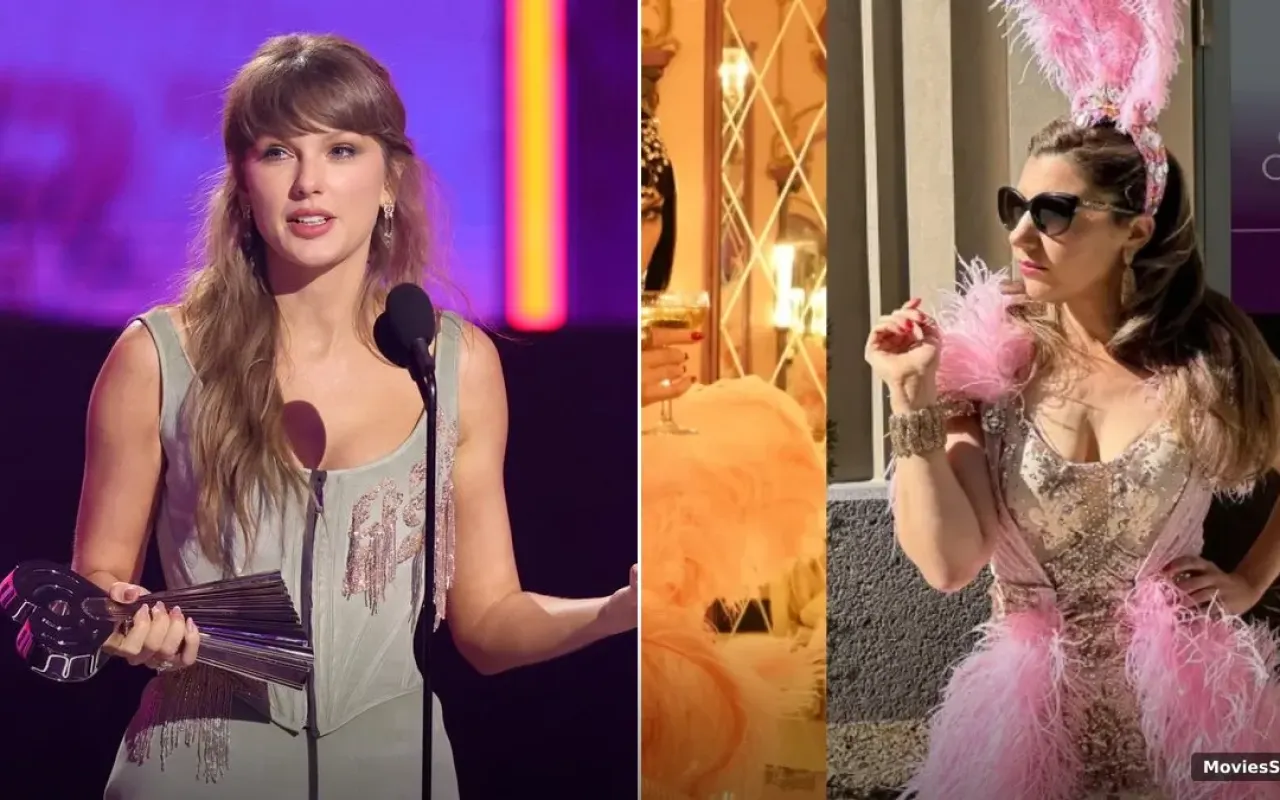
Taylor Swift’s legal powerhouse is firing back against a recent Taylor Swift Showgirl trademark lawsuit, labeling the legal action "absurd" and a transparent attempt to "prop up" a smaller brand using the singer’s global fame. The dispute, which centers on the title of Swift’s latest album, The Life of a Showgirl, pits the pop icon against a Las Vegas performer who claims the title infringes on her long-standing intellectual property.
Why is Taylor Swift being sued for the Showgirl trademark? Taylor Swift is being sued by Las Vegas performer Maren Wade (Maren Flagg) for trademark infringement over the title of her album, "The Life of a Showgirl." Wade holds a 2015 trademark for "Confessions of a Showgirl," but Swift’s lawyers have dismissed the lawsuit as "absurd," citing a lack of consumer confusion and accusing the performer of using the litigation to bolster her own brand.
The Core of the Dispute: 'Confessions' vs. 'The Life'
The Maren Wade Taylor Swift lawsuit hinges on a trademark Wade secured in 2015 for the phrase "Confessions of a Showgirl." Wade, who performs under Trademark Class 041—a category covering entertainment services and live performances—claims that Swift’s use of The Life of a Showgirl creates consumer confusion in the marketplace.
Wade’s legal team, led by attorney Jaymie Parkkinen, filed the suit in March, seeking a merchandise injunction to prevent Swift from selling products associated with the album title. Parkkinen argues that brand protection should apply to creators at all levels, suggesting that even a global superstar must respect the trademark registration of independent artists.
However, the Taylor Swift legal news coming from the defense paints a very different picture. Swift’s attorneys argue that "showgirl" is a common, descriptive term that no single entity can monopolize within the entertainment industry. They contend that the two titles are distinct enough that no reasonable consumer would mistake a Taylor Swift stadium production for a boutique cabaret performance in Las Vegas.
Why Swift's Legal Team Calls the Suit 'Absurd'
In a recent court filing, Swift’s lawyers did not mince words, stating that the motion "should never have been filed." A primary pillar of their legal defense is the vast disparity between the two parties' audiences and venues. They pointed out that Wade performs in small-scale venues, often for niche or older audiences, which contrasts sharply with Swift’s multi-billion-dollar Eras Tour and global streaming dominance.
To establish a Showgirl trademark infringement, the plaintiff must prove a "likelihood of confusion." Swift’s team argues this is impossible given:
- Venue Capacity: Wade’s performances typically occur in venues with capacities under 500, whereas Swift performs for 70,000+ fans per night.
- Market Saturation: The term "showgirl" is widely used in Las Vegas culture and historical contexts, making it one of many descriptive trademark terms that are difficult to protect exclusively.
- Brand Identity: The aesthetic of The Life of a Showgirl is tethered to Swift’s established persona, which is distinct from Wade’s "Confessions" brand.
The Social Media Evidence and 'Clout-Chasing' Allegations
One of the more striking elements of the Taylor Swift Showgirl trademark lawsuit is the allegation of "reverse engineering" a conflict. Swift’s lawyers claim that Maren Wade only began heavily using the phrase "the life of a showgirl" in her own marketing after Swift announced her album title.
The defense highlighted more than 40 specific instances on Instagram and TikTok where Wade mentioned Swift or the album title following the announcement. This social media activity is being used to argue that Wade is not a victim of infringement, but rather an opportunist using celebrity litigation to increase her own digital footprint. This "clout-chasing" defense is common in high-profile intellectual property cases where a smaller plaintiff is accused of seeking a settlement or "fame by association."
Legal Expert Take: Does Maren Wade Have a Case?
Legal analysts suggest that Wade faces an uphill battle. Under the Lanham Act, the gold standard for trademark law in the United States, courts look at several factors to determine infringement. One such factor is reverse confusion trademark theory—where a larger company’s use of a mark saturates the market so much that consumers believe the original, smaller trademark holder is actually the infringer.
However, Swift has a history of successfully defending her brand against similar claims. She previously won legal battles over the lyrics to "Shake It Off" and trademarked "1989" despite it being a calendar year. In those cases, the courts found that the phrases were either too common to be protected or that the creative expression fell under fair use defense.
"The challenge for Wade is that 'Showgirl' is a foundational archetype in entertainment," says one IP specialist. "Unless she can prove that 'Confessions of a Showgirl' has such high secondary meaning that any use of the word 'showgirl' by another artist harms her, the case is likely to be dismissed."
Key Takeaways: Taylor Swift Showgirl Trademark Lawsuit
- The Conflict: Maren Wade is suing Taylor Swift over the album title The Life of a Showgirl, claiming it infringes on her 2015 trademark Confessions of a Showgirl.
- The Defense: Swift’s lawyers call the suit "absurd," citing a lack of consumer confusion and pointing to the descriptive nature of the word "showgirl."
- The Evidence: Swift’s team documented 40+ social media posts where Wade allegedly used Swift’s name to boost her own brand visibility.
- The Precedent: Swift has a strong track record of winning intellectual property disputes involving common phrases and titles.
- Current Status: The court has not yet ruled on the merchandise injunction, and the next hearing date is expected to be set in the coming months.
What’s Next for the Case?
As the Taylor Swift Showgirl trademark lawsuit moves forward, the District Court will likely focus on whether Wade’s brand has suffered actual economic harm. If the judge finds that the two products exist in entirely different commercial spheres, the case could be dismissed before reaching trial. For now, the release and marketing of The Life of a Showgirl remain unaffected, though the outcome could set a significant precedent for how major celebrities interact with the trademarked titles of independent artists in the digital age.