The Class of 2026 is officially hitting the stage, and the vibe shift at this year’s ceremonies is impossible to ignore. We aren't just seeing the usual parade of politicians and academic deans; the 2026 commencement speakers circuit has leaned heavily into "academic A-listers" and cultural icons who are trading traditional platitudes for raw, unfiltered honesty. From the podium at Harvard to the graduation stages of the nation’s top HBCUs, the message for 2026 is clear: the world is bumpy, AI is everywhere, and the only way through is a mix of radical vulnerability and old-school grit.
As the commencement season reaches its peak, we’ve seen everything from Olympic legends discussing the mental toll of winning to business leaders getting booed for leaning too hard into tech. If you missed the livestreams or the viral TikTok clips, don't worry. We’ve synthesized the most powerful moments, the biggest controversies, and the career-defining advice being handed out to the next generation of leaders.
Who are the top 2026 commencement speakers?
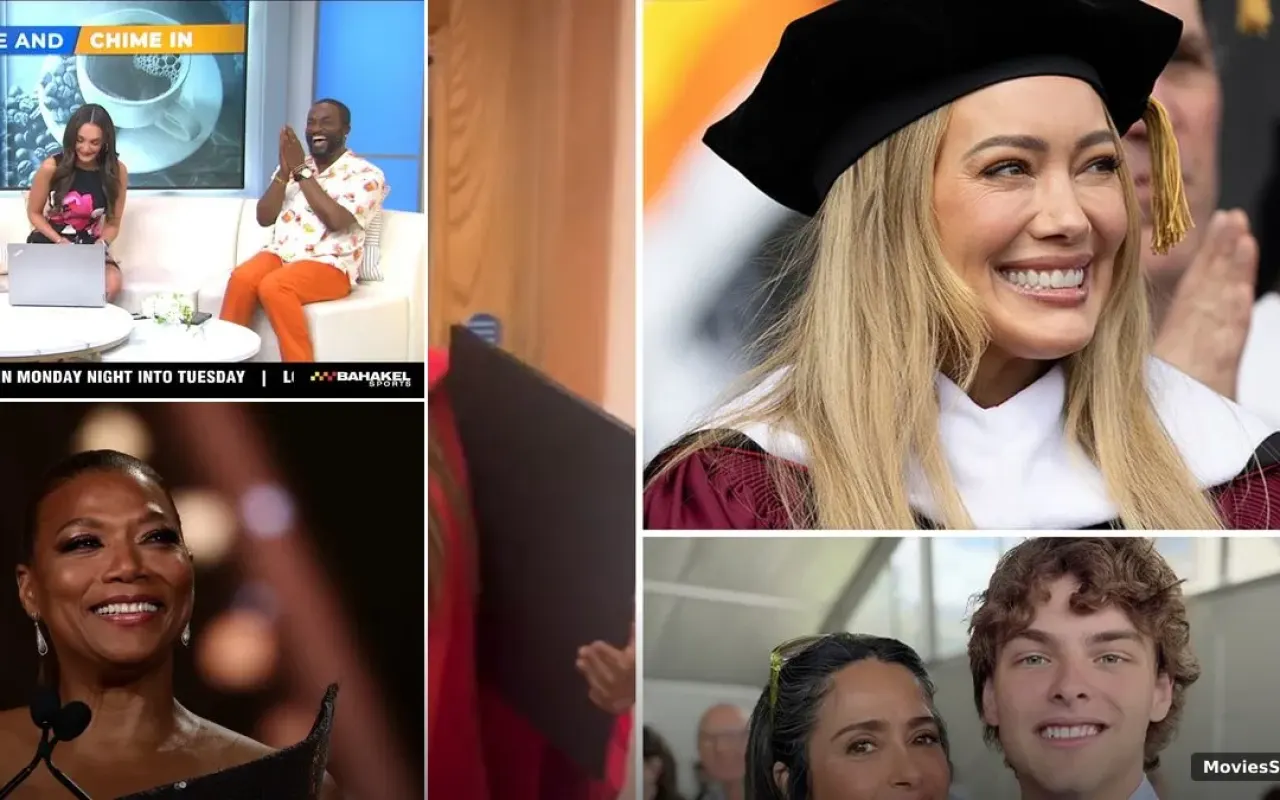
The 2026 graduation season featured a high-profile lineup of academic A-listers and cultural icons. Here are the most notable keynote addresses from this year:
- Lindsey Vonn: University of Southern California (USC)
- Henry Winkler: Emerson University
- Conan O'Brien: Harvard University
- Queen Latifah: North Carolina A&T State University
- Hilary Duff: Northeastern University
- Magic Johnson: Tuskegee University
- Chris Paul: Morehouse College
The Themes of 2026: Tenacity, Gratitude, and the AI Frontier
If there is one phrase that has defined the best commencement addresses 2026 has to offer, it’s tenacity and gratitude. This isn't just a catchy slogan; it’s the mantra delivered by Henry Winkler at Emerson University. Winkler, a veteran of the industry who has seen the highs and lows of career longevity, urged graduates to live by these two words. His argument? Tenacity gets you to the door, but gratitude is what makes the actual journey worth it.
This shift toward emotional honesty is a direct response to the "economic and cultural uncertainty" facing the Class of 2026. Unlike the Steve Jobs-era speeches that focused on "staying hungry," the 2026 speakers are focusing on staying human. We are seeing a move away from institutional authority and toward a more personal, "I’ve been in the trenches" style of keynote address. Whether it's Hilary Duff at Northeastern talking about the messy reality of reinvention or Conan O'Brien at Harvard using self-deprecation to mask deep truths about professional survival, the goal is to provide advice for Class of 2026 that feels lived-in, not manufactured.
However, not every theme landed perfectly. The role of AI in 2026 graduation addresses has become a massive flashpoint. While some speakers view OpenAI and generative tech as tools for the future, many students see them as a threat to the very degrees they just spent four years earning. This tension has turned the podium into a site of debate rather than just a place for applause.
Top Celebrity Commencement Speakers of 2026
The celebrity graduation speeches 2026 lineup felt more like a red carpet than a faculty meeting. At USC, Olympic gold medalist Lindsey Vonn delivered a masterclass in resilience. Vonn didn't just talk about her medals; she talked about the surgeries, the failures, and the mental "gold medal mindset" required to pivot when your primary career ends. For a generation entering a volatile job market, Vonn’s focus on strength was a standout moment.
Over at Harvard, Conan O'Brien returned to the Ivy League to deliver a speech that was equal parts comedy special and career coaching. O'Brien’s focus was on the long game. In an era of viral fame, he preached the importance of career longevity and the ability to fail publicly and keep moving. It was a stark contrast to the polished, "perfect" personas often found on LinkedIn.
Hilary Duff provided one of the most relatable moments of the season at Northeastern University. Duff, who has navigated the transition from teen idol to entrepreneur and mother, spoke about the "power of reinvention." She addressed the early-career uncertainty that many 20-somethings feel, validating the idea that your first job—or even your first career—doesn't have to be your last. This resonated deeply with Gen Z graduates who are increasingly prioritizing flexibility over traditional linear career paths.
HBCU Excellence: Major Stars Inspiring the Next Generation
The HBCU commencement speakers 2026 roster was particularly stacked this year, emphasizing the significance of Black leadership and generational authority. These ceremonies often carry a weight of community and heritage that transcends a standard graduation, and 2026 was no exception.
- Queen Latifah at NC A&T: The icon brought her signature "Unity" vibe to the Aggies, focusing on the importance of building your own table rather than waiting for a seat at someone else's.
- Magic Johnson at Tuskegee: Johnson’s address focused on the intersection of athletics and business, providing a blueprint for how to leverage a platform into a legacy.
- Chris Paul at Morehouse: The NBA star spoke about the discipline required to stay at the top of your game, both on the court and in the community.
- Debbie Allen at Clark Atlanta: The legendary choreographer and director urged graduates to find the rhythm in their own lives, even when the world feels out of sync.
The common thread across these inspirational graduation quotes 2026 was the idea of "giving your gift to the world," a sentiment echoed by Winkler but given specific cultural context by leaders like Symone Sanders at Spelman and Delroy Lindo at Fisk. For many students, seeing these figures receive honorary degrees was a powerful reminder of what is possible when talent meets tenacity.
2026 Graduation Controversies: AI and Political Pushback
It wouldn't be a modern commencement season without a little friction. This year, the friction centered on two main pillars: artificial intelligence and free speech. The most talked-about moment occurred at the University of Central Florida (UCF), where businesswoman Gloria Caulfield delivered an AI-focused address that didn't go as planned.
Caulfield’s speech, which leaned heavily into the benefits of automation and tech-driven efficiency, was met with audible pushback from the crowd. Students reported feeling that the speech was "out of touch" with the human effort required to complete their degrees. It served as a case study in the growing discomfort with AI as a symbol of corporate coldness in academic spaces.
Meanwhile, at Howard University, Washington, D.C. Mayor Muriel Bowser faced visible student protests during her remarks. The pushback highlighted the ongoing tension between local government and student activists, proving that even a ceremonial keynote address is not immune to the political climate. Similarly, at NYU, professor Jonathan Haidt drew criticism over his views on Gen Z identity and free speech, showcasing a deep generational divide in how institutions should handle "safe spaces" versus "brave spaces."
The Advice Matrix: Athletes vs. Actors
When you look at the graduation speech themes 2026 has produced, an interesting pattern emerges between different types of celebrity speakers. If you're looking for career tips, who you listen to matters:
The Athletes (Vonn, Johnson, Paul): Their advice is rooted in resilience and the "grind." They focus on the physical and mental discipline required to overcome injury and loss. Their message to the Class of 2026? Treat your career like a season—prepare, execute, and don't let a single loss define you.
The Creatives (Winkler, Duff, Latifah): These speakers lean into emotional honesty and the "gift." Their advice is more about the internal journey—finding your voice, staying true to your values, and practicing gratitude. They are the ones telling you that it's okay not to have it all figured out by age 22.
Data suggests that student reactions are shifting; while celebrity speakers get the most social media engagement, academic speakers who address the economic outlook directly are seeing higher "usefulness" ratings in exit surveys. Graduates are looking for a balance of inspiration and practical survival tactics.
Key Takeaways for the Class of 2026
- Embrace Tenacity: As Henry Winkler noted, persistence is the only way to navigate a "bumpy" professional landscape.
- Resilience is a Skill: Lindsey Vonn’s "gold medal mindset" isn't just for athletes; it’s for anyone facing a career pivot.
- Humanity > AI: The backlash at UCF proves that while tech is a tool, human connection and original thought remain the ultimate premium.
- Reinvention is Normal: Hilary Duff’s journey reminds us that your 20s are for exploring, not just "settling" into a path.
- Gratitude Protects the Soul: In a high-pressure world, practicing gratitude isn't just "nice"—it's a survival strategy for long-term happiness.
Looking Ahead: How to Watch 2026 Commencement Speeches
If you’re looking for the 2026 commencement speaker schedule or want to find the full Henry Winkler Emerson speech transcript, most universities now host full high-definition recordings on their official YouTube channels. Conan O'Brien's Harvard speech and Queen Latifah's NC A&T address are already trending on LinkedIn and are must-watches for anyone needing a mid-year motivation boost.
As we move toward the late-May and June ceremonies, expect more academic A-listers to take the stage. The 2026 season has proven that the podium is no longer just a place for "pomp and circumstance"—it’s a place for real talk in a world that desperately needs it. Whether you're graduating or just "graduating" into a new phase of your life, the wisdom of 2026 is a reminder that while the journey is bumpy, the view from the stage is worth the climb.