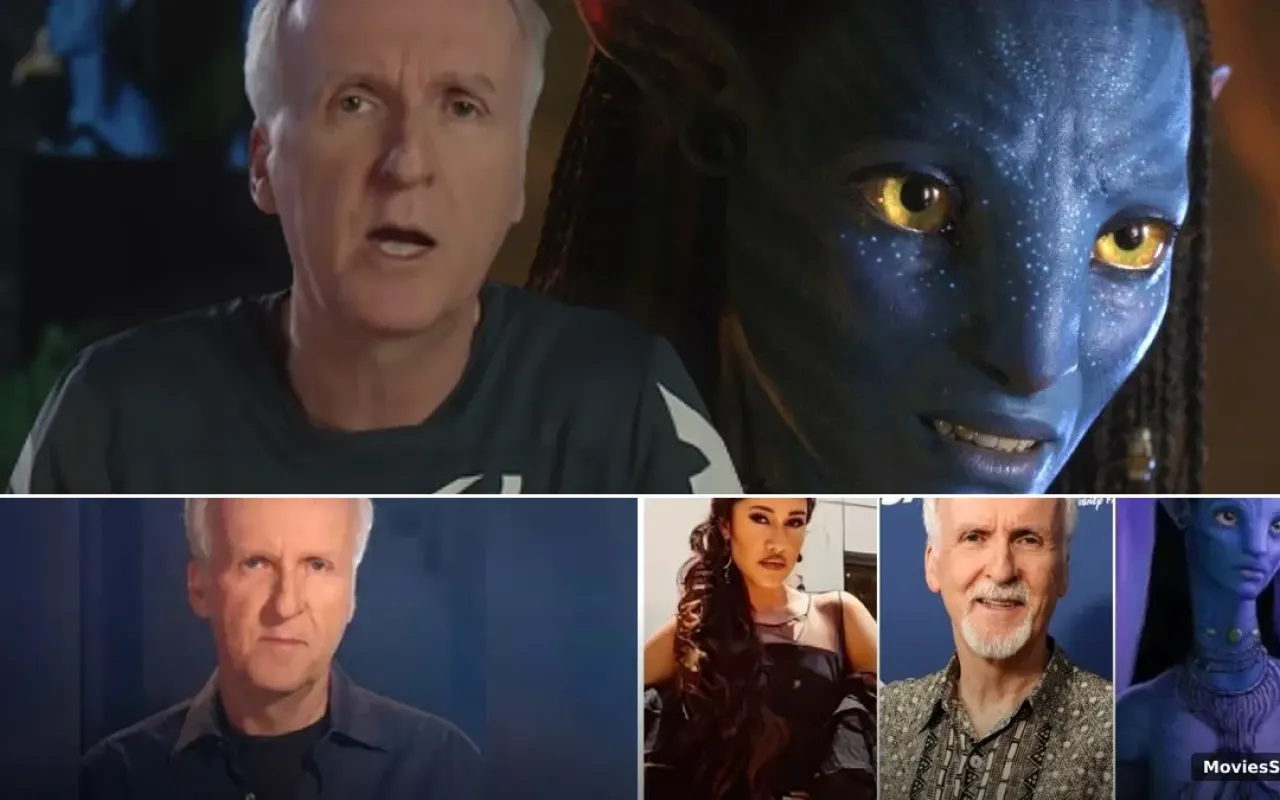
The Q’orianka Kilcher Avatar lawsuit has sent shockwaves through Hollywood, alleging that the most successful film franchise in history was built upon the unauthorized "extraction" of an Indigenous actress’s facial features. Filed in the US District Court for the Central District of California, the complaint accuses director James Cameron and The Walt Disney Company of using Kilcher’s biometric identity to create Neytiri, the lead character of the $2.9 billion Avatar series. The case represents a landmark challenge to the ethics of the CGI consent process and the legal boundaries of digital likeness rights in the age of high-fidelity visual effects.
Why is Q’orianka Kilcher suing James Cameron?
Q’orianka Kilcher is suing James Cameron and Disney for the unauthorized use of her facial features to create the character Neytiri in Avatar. The lawsuit alleges that Cameron "extracted" her biometric identity from a 2006 photograph without consent, compensation, or credit, violating her likeness rights and California's deepfake statutes. Kilcher claims her face, captured when she was just 14 years old, served as the foundational blueprint for the multi-billion-dollar character.
The Core Allegation: Extraction vs. Artistic Inspiration
At the heart of the Neytiri character design controversy is the distinction between "inspiration" and "extraction." The lawsuit alleges that in 2006, James Cameron encountered a photograph of Kilcher in the Los Angeles Times. At the time, Kilcher was the 14-year-old breakout star of The New World film, where she portrayed Pocahontas. The complaint asserts that Cameron did not merely use the photo as a mood board reference but explicitly instructed his design team at Lightstorm Entertainment and several visual effects companies to map her specific biometric facial features extraction into the character’s geometry.
Legal counsel Arnold P. Peter of the Peter Law Group—a firm known for handling complex entertainment and intellectual property disputes—emphasizes that this was a systematic industrial process. According to the filing, Kilcher’s likeness was used to generate:
- Two-dimensional sketches and digital overlays.
- Three-dimensional physical maquettes (sculptures).
- High-resolution digital models used in the production pipeline.
- Merchandise, theme park attractions, and promotional assets.
The lawsuit argues that while Zoe Saldaña Neytiri performance provided the character's movement and voice via motion capture technology, the underlying "mask" or facial architecture remains that of Kilcher. This raises a critical question regarding VFX pipeline ethics: where does a reference end and a "digital twin" begin?
The Evidence: A Handwritten Note and the 2024 Admission
For over a decade, the connection between Kilcher and Neytiri remained speculative. However, the lawsuit cites two primary "smoking guns" that prompted the recent legal action. The first involves a personal encounter in 2009, shortly after the release of the first Avatar. Kilcher met Cameron at a charity event, where he allegedly invited her to his office. When she arrived, Cameron was unavailable, but a staff member reportedly presented her with a framed sketch of Neytiri. Attached was a handwritten note from Cameron stating: "Your beauty was my early inspiration for Neytiri. Too bad you were shooting another movie. Next time."
At the time, Kilcher viewed the note as a flattering gesture toward her cultural heritage and activism. The realization of a deeper "extraction" only surfaced following a 2024 French media interview that began circulating widely in 2025. In the footage, Cameron is seen standing before early design sketches, explicitly identifying Kilcher as the source. "The actual source for this was a photo in the L.A. Times, a young actress named Q’orianka Kilcher," Cameron allegedly stated in the clip. "This is actually her… her lower face. She had a very interesting face."
Legal Analysis: California’s Deepfake and Likeness Laws
The Q’orianka Kilcher Avatar lawsuit is unique because it invokes California Civil Code Section 3344 (the Right of Publicity) alongside more modern, aggressive statutes. Most notably, the complaint cites California’s recently enacted California deepfake law, which was originally designed to combat non-consensual deepfake pornography. The application of this statute to a major motion picture character suggests a new AI facial reconstruction legal precedent.
The legal team argues that "extracting" biometric data from a 2D photograph to create a 3D digital puppet without digital twin consent falls under the umbrella of unauthorized digital manipulation. This strategy aims to bypass traditional statute of limitations hurdles. While Avatar was released in 2009, the "discovery rule" allows a plaintiff to sue when they first become aware of the harm—in this case, via the 2024 interview admissions.
The Role of the Peter Law Group
The involvement of the Peter Law Group is significant. The firm has a history of taking on major studios in cases involving the Right of Publicity California protections. By framing the case as Avatar biometric identity theft, they are positioning the lawsuit not just as a contract dispute, but as a fundamental violation of human rights and personal property.
Indigenous Representation and the Ethics of "Avatar"
There is a profound irony at the center of this James Cameron likeness lawsuit. The Avatar franchise is globally celebrated for its themes of protecting Indigenous cultures from colonial exploitation. Yet, the Indigenous actress sues Disney alleging that the very face of the Na’vi was "colonized" for profit without her knowledge.
Kilcher, a prominent activist for Indigenous rights, expressed her disillusionment in the filing: "Millions of people opened their hearts to Avatar because they believed in its message and I was one of them. I never imagined that someone I trusted would systematically use my face... and integrate it into a production pipeline without my knowledge or consent." The lawsuit seeks punitive damages and a "disgorgement of profits," a legal term meaning the defendants would have to hand over profits gained through the alleged theft.
VFX Industry Perspectives: Reference vs. Extraction
The technical defense likely to be mounted by Disney and Cameron will hinge on the standard practices of the VFX industry. In 2009, creating a character like Neytiri involved a blend of artistic sculpting and "photogrammetry-adjacent" techniques. While modern AI can reconstruct a 3D head from a single photo in seconds, the 2009 pipeline was more manual.
Industry experts often distinguish between:
- Reference: Using a photo to understand bone structure or skin texture.
- Extraction: Using software to precisely map the coordinates of a person's features (eyes, nose, jawline) to create a digital replica.
If the Q’orianka Kilcher Avatar lawsuit goes to trial, forensic digital analysts will likely compare the facial geometry of the 2006 LA Times photo with the 2009 Neytiri wireframe. Any "exact match" in proportions could be devastating for the defense.
Key Takeaways of the Avatar Likeness Lawsuit
- Primary Claim: Q’orianka Kilcher alleges her biometric identity was stolen from a 2006 LA Times photo to create Neytiri.
- Evidence: A handwritten note from James Cameron and a 2024 interview where he admits Kilcher was the "actual source."
- Legal Strategy: The suit utilizes California Civil Code Section 3344 and modern deepfake statutes to argue for punitive damages.
- Defendants: James Cameron, Disney, Lightstorm Entertainment, and several unnamed visual effects houses.
- Broader Impact: This case could redefine VFX pipeline ethics and how studios must compensate "inspiration" sources in the age of digital twins.
Looking Ahead: The Future of the Franchise
As Disney prepares for the release of Avatar: Fire and Ash, this legal battle threatens to overshadow the franchise's technical achievements. If Kilcher succeeds, it could set a massive precedent for other actors whose likenesses have been "referenced" in CGI characters without formal contracts. For now, the Q’orianka Kilcher Avatar lawsuit serves as a cautionary tale for the entertainment industry: in the world of digital recreation, the line between an "homage" and "extraction" is thinner—and more litigious—than ever before.