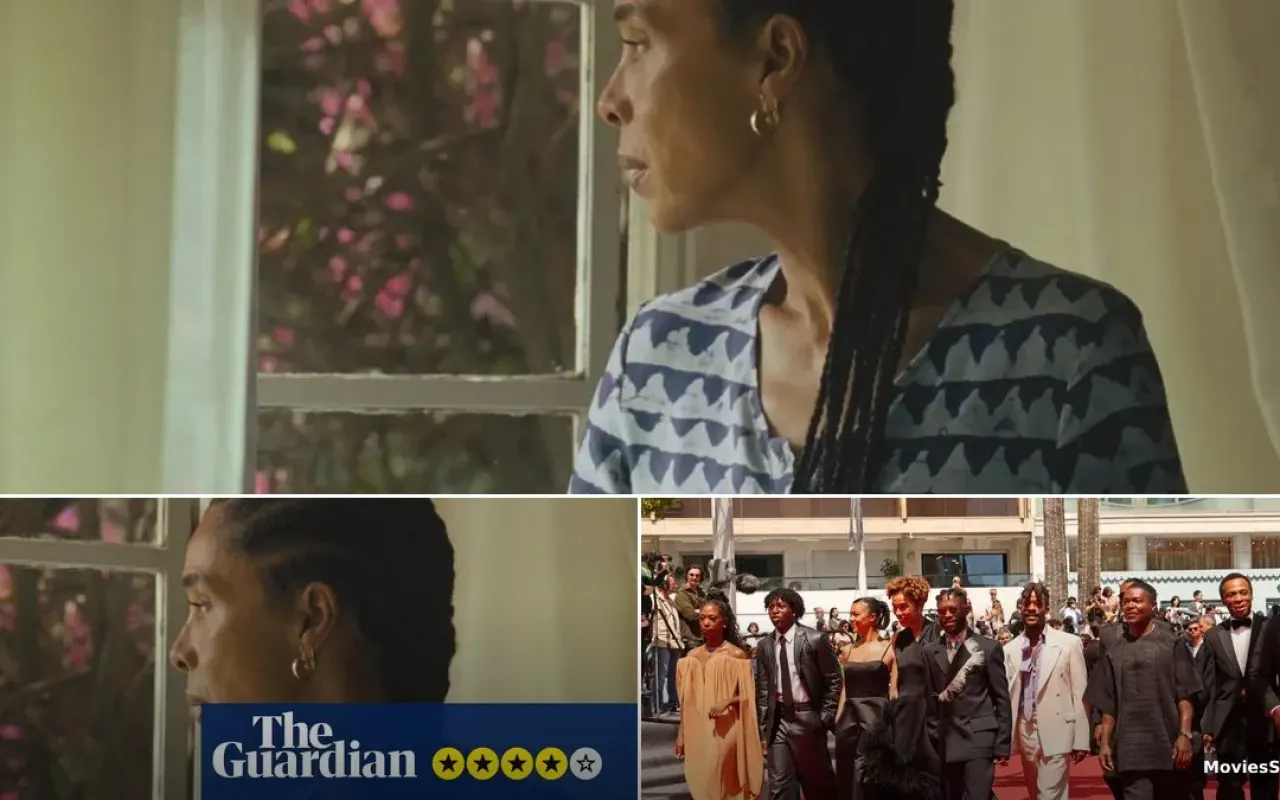
When the credits rolled at the Cannes Directors’ Fortnight, the ten-minute standing ovation wasn’t just for the film’s technical prowess—it was for the sheer audacity of what Arie and Chuko Esiri had just pulled off. In this Clarissa 2026 movie review, we’re breaking down how a 100-year-old British novel about a middle-aged woman buying flowers became the most urgent, vibrant, and heartbreaking film of the year. By moving Virginia Woolf’s Mrs. Dalloway from post-WWI London to modern-day Lagos, Nigeria, the Esiri brothers have created something that feels less like a dusty adaptation and more like a cultural reclamation.
What is the movie Clarissa about? Clarissa is a 2026 film directed by Arie and Chuko Esiri, serving as a modern-day Nigerian reimagining of Virginia Woolf’s classic novel 'Mrs. Dalloway.' Starring Sophie Okonedo, the story follows a high-society woman in Lagos preparing for a party while reflecting on her past, lost loves, and the impact of colonialism.
From London to Lagos: The Plot of Clarissa (2026)
The film’s 125-minute runtime is a masterclass in temporal weaving. We follow Clarissa (played with a quiet, devastating intensity by Sophie Okonedo) over the course of a single day in Lagos. She is the quintessential society hostess, organizing a lavish dinner party for her husband’s high-powered colleagues. But as she navigates the humid, bustling streets of the city, the present is constantly interrupted by the ghosts of 1990s Abraka.
The dual-timeline narrative is where the Clarissa Mrs Dalloway adaptation finds its soul. While the present-day Lagos scenes are sharp and somewhat clinical, the flashbacks to the family estate in Abraka have a "honeyed sheen." This is where we meet the younger Clarissa, played by India Amarteifio, during a pivotal summer thirty years prior. It was a time of radical poetry, secret kisses, and the kind of idealism that the adult Clarissa has traded for a "handsome Lagos house" and a stable, if uninspired, marriage.
The Arie and Chuko Esiri Clarissa doesn't just replicate Woolf's stream-of-consciousness; it visualizes it. The directors use recurring motifs of water and "melancholic water sequences" to transition between the decades. The plot hinges on the arrival of two people from that formative summer: Peter (David Oyelowo), the "failed writer" who was once the love of her life, and Sally (Nikki Amuka-Bird), the rebellious spark who once represented a different kind of future. Their reappearance forces Clarissa to confront the "terrible inevitability" of the choices she made—and the ones that were made for her.
Cast and Performances: Sophie Okonedo’s Career-Best Turn
If there was any doubt that we are witnessing a Sophie Okonedo 2026 comeback, this film puts it to rest. Okonedo’s performance is "acutely calibrated," managing to convey a lifetime of regret through nothing more than the way she holds a glass of wine or a three-second pause in conversation. She plays Clarissa not as a victim of her circumstances, but as a woman who is fully aware of the "dull ache of disillusion" that comes with her status.
The Clarissa movie cast Ayo Edebiri addition is perhaps the film’s most inspired bit of "it-girl" energy. Edebiri plays the younger Sally, and she is "charismatic and subversively sexy." She provides the perfect foil to India Amarteifio’s more "sobersided" young Clarissa. Their chemistry is the engine of the flashback sequences, making the eventual divergence of their lives feel all the more tragic.
- Sophie Okonedo: The anchor. Her portrayal of the older Clarissa is sage, aloof, and unexpectedly funny in her dry observations of Lagos high society.
- David Oyelowo: As Peter, he plays "wounded" with a worldly panache. He captures the tragedy of a man who lost his muse and his country at the same time.
- India Amarteifio: A revelation as the younger Clarissa, capturing the "delicacy" and "complexity" of a girl caught between tradition and desire.
- Toheeb Jimoh: Plays the younger Peter with a raw, poetic energy that makes his older self’s "lifelong disaster" feel earned.
- Joke Silva: A legend of Nollywood cinema, Silva plays Clarissa’s formidable mother, Maryam, representing the old guard of Nigerian excellence.
Clarissa vs. Mrs. Dalloway: What Actually Changed?
The most radical shift in this Clarissa Mrs Dalloway adaptation is the removal of the "Mrs." The title change is a direct critique of the patriarchal structures Woolf originally explored. In the film, Clarissa’s identity isn't just subsumed by her husband, Richard (Jude Akuwudike), but by the corporate and colonial shadows he represents. Richard works for Shell—a pointed political choice by the Esiri brothers. In modern Nigeria, being "married to Shell" carries a weight of corporate complicity that adds a layer of "persistent dull ache" to Clarissa's domestic life.
Then there is Septimus. In the novel, Septimus Smith is a WWI veteran with "shell shock." In the film, Fortune Nwafor plays Septimus as a survivor of the conflict with Boko Haram. This is where the film gets its "bite." The Esiris use Septimus to bridge the gap between the "first-world problems" of the Lagos elite and the brutal reality of the country's security crisis. We see the corruption of the military—boxes of ammo being sold to the very insurgents they are meant to fight—and how that trauma filters back into the city through Septimus’s wife, who works as a seamstress for Clarissa.
The soundscape also replaces the "tolling of Big Ben"—Woolf’s symbol of imperial time—with the call to prayer over loudspeakers. It’s a shift from a singular, colonial clock to a diverse, independent Nigeria where multiple "souls" are trying to be heard at once. This thematic depth is why the Clarissa 2026 movie review scores are trending so high; it’s an adaptation that actually has something new to say about the source material.
Production and Sound: 35mm Texture and Kelsey Lu’s Score
Visually, Clarissa is a triumph. Shot entirely on 35mm film by cinematographer Jonathan Bloom, the movie avoids the glossy, digital look of many modern productions. The grain of the film gives the Nigerian landscapes—from the humid density of Lagos to the bucolic greens of Abraka—a tactile, timeless quality. This choice was intentional; the directors wanted to distance the film from the "melodrama" aesthetic of traditional Nollywood and align it with a more patient, "arthouse" pacing.
The Clarissa movie soundtrack Kelsey Lu is the film’s secret weapon. Lu, a classically trained cellist and experimental pop star, has composed a score that fuses Afrobeats rhythms with melancholic orchestral arrangements. It’s a "seductive, mesmeric" sound that mirrors Clarissa’s internal state. The music doesn't just sit in the background; it acts as a bridge between the two timelines, often bleeding from a 90s party scene into a modern-day Lagos traffic jam.
Technical Specs & Funding:
- Budget: Produced for under $5 million, a lean figure for a film of this scale.
- Funding: Supported by Afreximbank and Canex Creations, highlighting a new wave of institutional support for African cinema.
- Locations: Filmed on location in Lagos and the university town of Abraka.
- Distribution: Neon has secured the US rights, with a release planned for late 2026, likely followed by a streaming debut on Hulu and a prestige physical release via the Criterion Collection.
The 'Three Souls' Vision: What's Next for the Esiris?
During the Clarissa film Cannes 2026 press conferences, Arie and Chuko Esiri teased that this film is part of a larger thematic project they are calling Three Souls. Following their debut Eyimofe, Clarissa serves as the second entry in a trilogy (or perhaps a loose series) exploring the Nigerian identity through different lenses of class and history.
The brothers are clearly positioning themselves as the leaders of a new "global Nollywood," one that isn't afraid to take on Western classics and bend them to the shape of the African experience. Their work suggests a future where Nigerian cinema isn't just a regional powerhouse, but a central player in the international "arthouse" conversation.
Key Takeaways: Why Clarissa (2026) Matters
- A Masterful Adaptation: It honors Virginia Woolf’s Mrs. Dalloway while radically updating its political and social context for modern Nigeria.
- Okonedo's Zenith: Sophie Okonedo delivers a career-best performance that anchors the film's emotional weight.
- Political Subtext: By including Shell and Boko Haram, the film critiques both corporate influence and the government's failure to protect its citizens.
- Technical Excellence: The 35mm cinematography and Kelsey Lu’s score create a sensory experience that demands a theater screen.
- The Esiri Style: The directors successfully blend high-concept "stream of consciousness" with the grounded reality of Lagos life.
Conclusion: A New Cinematic Canon
Ultimately, Clarissa is a film about the "permanent heartache" of a life deferred. It asks if we can ever truly be "independent" from our pasts, our parents, or the colonial structures that built our cities. While it doesn't offer easy answers—the ending involving Septimus is as enigmatic as it is tragic—it offers something better: a mirror.
The Clarissa 2026 movie review consensus is clear: this is a landmark moment. By the time the final guest arrives at Clarissa’s party, you realize you haven’t just watched a movie; you’ve watched a culture talk to itself across time. Whether you’re a Woolf scholar or just someone who loves a deeply felt character study, Clarissa is essential viewing. Keep an eye on Neon for the US release date; this is the one you won't want to miss in theaters.