Every year, while the global film elite gathers in tuxedos on the French Riviera, Tom Quinn does something surprisingly low-key. The Neon CEO and co-founder huddles with his team around a laptop — which they recently upgraded to a TV connection — on a hotel breakfast table to watch the awards ceremony. It’s a modest ritual for a man who has essentially hacked the most prestigious film festival on the planet. As we head into the 79th Cannes Film Festival, the Neon Cannes Palme d'Or streak has become the most dominant narrative in the industry, transforming a 60-person indie shop into the undisputed heavyweight of international cinema.
The 6-Year Streak: A Timeline of Neon’s Cannes Dominance
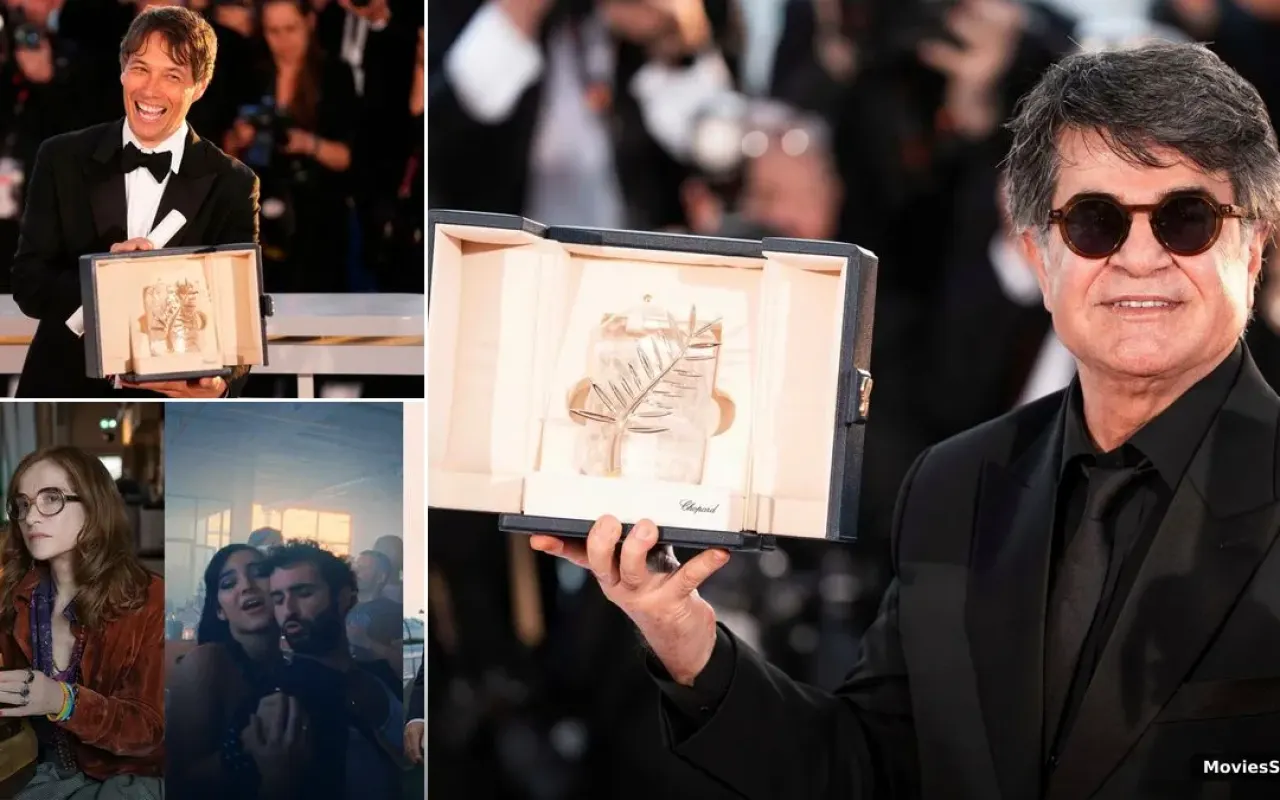
To understand how wild this run is, you have to look at the numbers. Neon has won a record-breaking six consecutive Palme d'Or awards at the Cannes Film Festival, starting with Parasite in 2019 and continuing through 2025 with It Was Just an Accident. This isn't just a "good run"; it's a statistical anomaly that has left major studios and rival specialty labels scratching their heads.
The Palme d'Or winners list Neon has curated since 2019 reads like a "Who’s Who" of modern cinematic masterpieces:
- 2019: Parasite (Bong Joon Ho) – The catalyst. It didn't just win the Palme; it went on to win the Academy Awards Best Picture, grossing over $263 million globally and shattering the "one-inch-tall barrier of subtitles."
- 2021: Titane (Julia Ducournau) – A wild, body-horror swing that Quinn bought before the script even made sense to him.
- 2022: Triangle of Sadness (Ruben Östlund) – A biting satire that proved Neon could market high-concept social commentary to a global audience.
- 2023: Anatomy of a Fall (Justine Triet) – A courtroom drama that became a cultural touchstone and an Oscar heavyweight.
- 2024: Anora (Sean Baker) – A win that cemented Neon’s status as the home for the most exciting American auteurs.
- 2025: It Was Just an Accident (Jafar Panahi) – The most recent win that extended the streak to six.
While Neon vs A24 Cannes record debates often dominate Film Twitter, the data tells a specific story. While A24 has mastered the "vibe" and lifestyle branding, Neon has focused on a film acquisition strategy that prioritizes the Cannes competition lineup. A24 might own the merch game, but Neon owns the Palais stage.
Cannes 2026: The 9 Films Chasing a 7th Consecutive Win
For the 2026 festival, Neon isn't just participating; they are the environment. They are backing more than a quarter of the 22 films in competition. That’s a staggering 27% of the main slate owned by a single indie distributor. The Neon 2026 Cannes films represent a diverse, global portfolio that suggests the streak is anything but over.
Among the 79th Cannes Film Festival favorites, three titles stand out as the most likely to deliver a seventh trophy:
- Ryusuke Hamaguchi’s All of a Sudden: After the global success of Drive My Car, Hamaguchi is the gold standard for patient, emotional storytelling.
- James Gray’s Paper Tiger: Gray is a perennial Cannes darling, and this project is rumored to be his most ambitious yet.
- Na Hong-jin’s Hope: The Korean auteur behind The Wailing brings a high-intensity energy that often captivates international juries.
The slate also includes Hirokazu Kore-eda’s Sheep in the Box and Arthur Harari’s The Unknown. Harari, who co-wrote Anatomy of a Fall, is a particularly interesting "unknown" factor this year. Managing nine films at a single festival with a staff of only 60 people sounds like a logistical nightmare, but Neon’s strategy relies on "bespoke rollouts" rather than the assembly-line approach of the majors.
The Anti-Algorithm: Tom Quinn’s Distribution Philosophy
In a Tom Quinn Neon interview, the executive made it clear that his secret sauce is actually a lack of one. He describes Neon as an "anti-algorithm" studio. While Neon vs Netflix bidding wars were common in the early days — notably over the Margot Robbie-led I, Tonya — Quinn says Neon succeeded not by outbidding the streamers, but by "out-passioning" them.
The indie film distribution landscape is currently defined by a fear of risk, but Neon, majority-owned by Dan Friedkin’s 30West, seems to lean into it. 30West provides the financial backbone that allows Neon to board projects like Parasite at the script stage or Titane based on directorial trust alone. This financial flexibility is key; while Neon box office performance 2026 is anchored by hits like Longlegs ($75 million), the company remains "agnostic" about where titles come from, focusing on the creator rather than the intellectual property.
"Audiences are desperate for creativity. Films are not packaged goods," Quinn says, calling out the major studios for treating art like a P&L statement.
Neon vs. The Majors: Why Hollywood is Missing from Cannes
The artistic director of Cannes, Thierry Frémaux, recently noted a disturbing trend: the major Hollywood studios are increasingly absent from the competition. When the big players like Warner Bros. or Universal do show up, it’s often for out-of-competition blockbusters. This has left a vacuum that specialty labels have filled with subtitled films and daring narratives.
Here’s the reality: the majors are weighed down by billions in debt and a reliance on established IP. Neon, by contrast, operates with the agility of a boutique label like Radius (Quinn's former venture) or Magnolia Pictures, but with the prestige of a legacy studio. This dominance has forced a shift in Cannes 2026 market trends; the "Cannes effect" is no longer just about critical acclaim — it’s a proven pipeline to Oscar glory and surprising box office legs.
However, the question remains: is the streak sustainable? If Neon fails to take home the Palme in 2026, does the brand lose its "invincible" aura? Skeptics argue that a loss is inevitable, but for now, the industry is watching to see if their Neon streaming deals or traditional theatrical windows will continue to favor the bold. Unlike the majors, Neon still produces physical media, releasing DVD box sets for collectors even as the rest of the world moves to the cloud.
Key Takeaways: The Neon Formula
- Consistency is King: Neon has won 6 straight Palme d'Or awards (2019-2025), a feat never before achieved in film history.
- Volume Strategy: For Cannes 2026, Neon owns over 25% of the competition slate, including films by Hamaguchi and James Gray.
- Director-First Model: The studio rejects algorithmic acquisitions, often buying films at the script stage based on the filmmaker's vision.
- Financial Backing: The partnership with Dan Friedkin and 30West allows Neon to compete with streamers like Netflix for high-profile auteurs.
- The "Cannes Effect": Winning the Palme has become Neon’s primary marketing tool for the Academy Awards Best Picture race.
As the 79th festival kicks off, the pressure is on. But whether they win a seventh Palme or not, Neon has already rewritten the rules of international cinema distribution. They’ve proven that in an era of sequels and reboots, there is still a massive, hungry audience for "creativity-first" movies. Real talk? The majors should be taking notes.