Fifteen years ago, on April 29, 2011, a film roared into theaters that would fundamentally rewrite the rules of the modern blockbuster. The Fast Five 15th anniversary marks more than just a milestone for a sequel; it celebrates the moment a niche street-racing series transformed into a multi-billion-dollar global juggernaut. Before the Fast Five bank vault chase became a shorthand for practical stunt excellence, the franchise was effectively running on fumes. What followed was a masterclass in creative pivoting that saved Universal Pictures' most lucrative asset and invented the blueprint for the "cinematic universe" era.
The 2011 Pivot: From Street Racing to Global Heist
To understand the magnitude of the Fast and Furious franchise evolution, one must look at the precarious position the series held in the late 2000s. While 2001’s The Fast and the Furious was a surprise hit—inspired by Kenneth Li’s 1998 VIBE Magazine article "Racer X"—the sequels struggled to maintain momentum. Tokyo Drift had nearly stalled the franchise, earning a modest $157.7 million worldwide. Even the 2009 return of the original cast in Fast & Furious felt like a series repeating its own tropes.
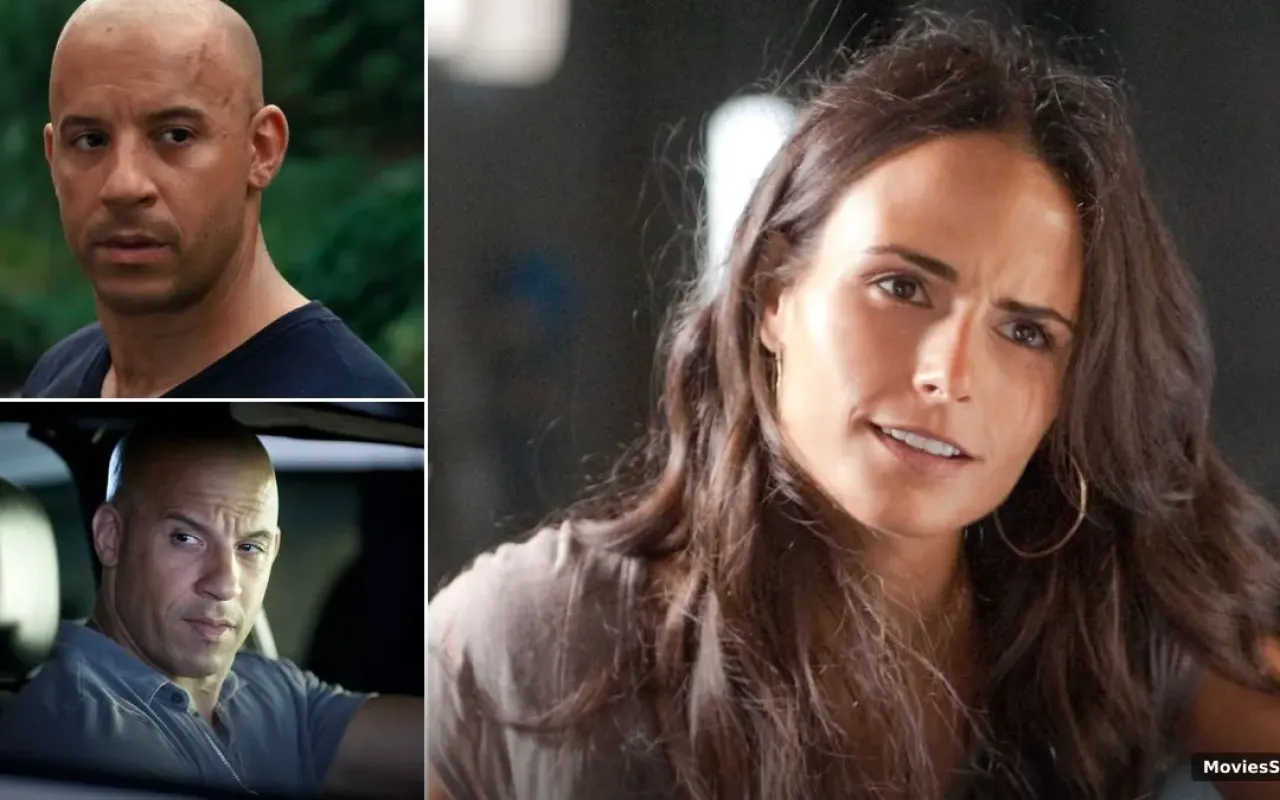
Director Justin Lin and screenwriter Chris Morgan realized that to survive, the brand had to transcend its "car culture" roots. They made the radical decision to minimize the street racing elements that defined the first four films. In Fast Five, there is only one traditional race, and it happens largely off-screen. Instead, the film embraced the mechanics of a heist movie, pitting Vin Diesel’s Dominic Toretto and Paul Walker’s Brian O’Conner against a ruthless Brazilian drug lord in Rio de Janeiro.
The ROI (Return on Investment) for this shift was staggering. While Tokyo Drift struggled to find an audience, Fast Five grossed $629.9 million—more than the first three films combined. This wasn't just a financial win; it was a cultural repositioning. By shifting the genre, Lin allowed the characters to evolve from local outlaws into international "superheroes" with cars, setting the stage for the increasingly ambitious sequels that would eventually see the crew head to London, Abu Dhabi, and even outer space.
How Fast Five Changed the Fast and Furious Franchise
Fast Five fundamentally altered the series by:
- Shifting the genre: It moved the narrative from localized street racing to a high-stakes global heist thriller.
- Introducing Luke Hobbs: The Luke Hobbs debut brought Dwayne Johnson into the fold, creating a physical "superhero" rivalry for Dom Toretto.
- Emphasizing Practical Stunts: It transitioned to massive-scale practical effects, most notably the iconic bank vault sequence.
- Solidifying the 'Family': It gathered stars from all previous installments, creating the "Family" ensemble dynamic that defines the saga.
The Rock vs. Diesel: The Introduction of Luke Hobbs
If Justin Lin was the architect of the new Fast, Dwayne Johnson was the structural steel. The Luke Hobbs debut in Fast Five is often cited as the moment the franchise gained "Franchise Viagra." As a DSS agent tasked with hunting down Dom and Brian, Johnson provided the first physical equal to Vin Diesel. Their mid-film brawl was not just a fight scene; it was a collision of two of Hollywood’s biggest action personas, signaling that the stakes had moved beyond the finish line of a quarter-mile track.
Casting Johnson created a "snowball effect" for Universal Pictures. Once "The Rock" was in, the franchise became the premier destination for A-list talent. This paved the way for future additions like Jason Statham, Charlize Theron, Helen Mirren, and Jason Momoa. The chemistry of the ensemble—including Tyrese Gibson, Ludacris, and Sung Kang—was refined here, balancing comedic relief with the "aura farming" of silent, muscular tension.
Behind the Vault: The Technical Genius of the Mic Rig
While later entries like F9 were criticized for over-reliance on CGI (specifically the Pontiac Fiero space sequence), Fast Five remains the high-water mark for practical effects. The film’s centerpiece, the Fast Five bank vault chase, is a masterclass in stunt coordination that utilized Puerto Rico filming locations to double for the crowded streets of Rio.
The Mic Rig Technical Achievement
To capture the intense, close-up driving shots while maintaining high speeds, stunt coordinators Mic Rodgers and Matt Sweeney utilized their Oscar-winning invention: the Mic Rig. This specialized vehicle consists of a high-performance truck chassis with a stripped-down sports car body mounted on top. A professional driver operates the truck from a hidden position, allowing actors like Paul Walker and Vin Diesel to focus on their performances while the car appears to be drifting at 80 mph. This technology earned Rodgers and Sweeney a Technical Achievement Award from the Academy and remains a gold standard in automotive filmmaking.
The Drivable Vault Specs
The "vault" itself was not a digital construct. Production built several versions of the nine-ton safe, including a "drivable vault"—a self-propelled vehicle with a stunt driver inside, reinforced to smash through real buildings and cars. Over 200 vehicles were reportedly destroyed during the filming of the climax. This commitment to "grounded" physics, even when the scenarios were "gonzo," gave Fast Five a visceral weight that digital effects simply cannot replicate. Justin Lin famously used Hot Wheels models to storyboard these sequences, ensuring that even the most absurd maneuvers felt tethered to a sense of physical space.
The 'Racer X' DNA and Global Diversity
The Fast Five 15th anniversary is also a time to reflect on the franchise's unique "vulgar cosmopolitanism." Unlike other franchises that feel like they are "pandering" to global audiences, Fast Five felt organically diverse. This dates back to the original inspiration from Kenneth Li’s reporting on the "urban polyglot" of New York street racers.
The film’s soundtrack played a pivotal role in this global appeal, blending reggaeton, hip-hop, and Brazilian funk to create an atmosphere that felt truly international. By filming in Rio de Janeiro (and Puerto Rico), the production tapped into a blue-collar, multicultural ethos that resonated from the favelas to the suburbs of the United States. It was a movie where race was never the subject, but diversity was the reality—a "chosen family" where competence and loyalty were the only currencies that mattered.
The Legacy of Paul Walker and the Road to Fast Forever
Perhaps the most enduring element of Fast Five is the cementing of the brotherhood between Dom Toretto and Brian O’Conner. This was the first film where the two were on the same side from start to finish, and the revelation of Mia’s pregnancy transformed their rivalry into a lifelong bond. Following the tragic passing of Paul Walker in 2013, Fast Five has taken on a poignant quality as the peak of the duo's on-screen partnership.
As fans look toward the Fast Forever release date in 2028, the question of Brian O’Conner’s return looms large. While Furious 7 gave the character a poetic send-off using digital likenesses and Walker’s brothers as stand-ins, rumors persist that Fast Forever may feature a final "resurrection" of the character. This has sparked an ethical debate among fans: some see it as a beautiful tribute, while others fear it could undermine the emotional weight of his original exit.
The timeline for the final film has faced its own hurdles. The 2023 legal issues involving Vin Diesel led to a brief period of uncertainty, but Universal’s commitment to a 2028 finale suggests the studio is taking the time to ensure the "Fast Saga" ends on a high note. Whether the finale returns to the street racing roots of Los Angeles or continues the "superhero" trajectory, the blueprint will undoubtedly remain the one established in Rio fifteen years ago.
Key Takeaways: The Fast Five Legacy
- Genre Shift: Fast Five successfully pivoted the franchise from street racing to the heist-action genre, massively expanding its audience.
- Technical Mastery: The use of the Mic Rig and practical "drivable vaults" set a new standard for automotive stunts in Hollywood.
- Box Office Titan: The film doubled the earnings of its predecessors, proving that the "Family" dynamic was a billion-dollar idea.
- The Rock Effect: Dwayne Johnson’s introduction as Luke Hobbs redefined the stakes and brought a new level of star power to the series.
- Future Outlook: The saga is set to conclude with Fast Forever in 2028, potentially bringing the story back to its Los Angeles origins.
Fast and Furious Chronological Order 2024
For those looking to revisit the saga on the Fast Five 15th anniversary, the timeline can be confusing due to the placement of Tokyo Drift. The most accurate way to watch the story unfold is as follows:
- The Fast and the Furious (2001)
- 2 Fast 2 Furious (2003)
- Fast & Furious (2009)
- Fast Five (2011)
- Fast & Furious 6 (2013)
- The Fast and the Furious: Tokyo Drift (2006)
- Furious 7 (2015)
- The Fate of the Furious (2017)
- Fast & Furious Presents: Hobbs & Shaw (2019)
- F9: The Fast Saga (2021)
- Fast X (2023)
- Fast Forever (Expected 2028)
Conclusion: Why Fast Five Still Leads the Pack
Even with the Fast Five 4K Ultra HD review cycles praising the film's visual clarity, the true reason Fast Five remains the fan favorite is its balance. It exists in the perfect "sweet spot" between the grounded street-level stakes of the early 2000s and the gonzo, physics-defying spectacle of the later sequels. It gave us a Luke Hobbs debut that felt earned, a vault chase that felt real, and a "Family" that felt like home. As we look toward 2028, Fast Five stands as a reminder that sometimes, the best way to move forward is to shift gears entirely.