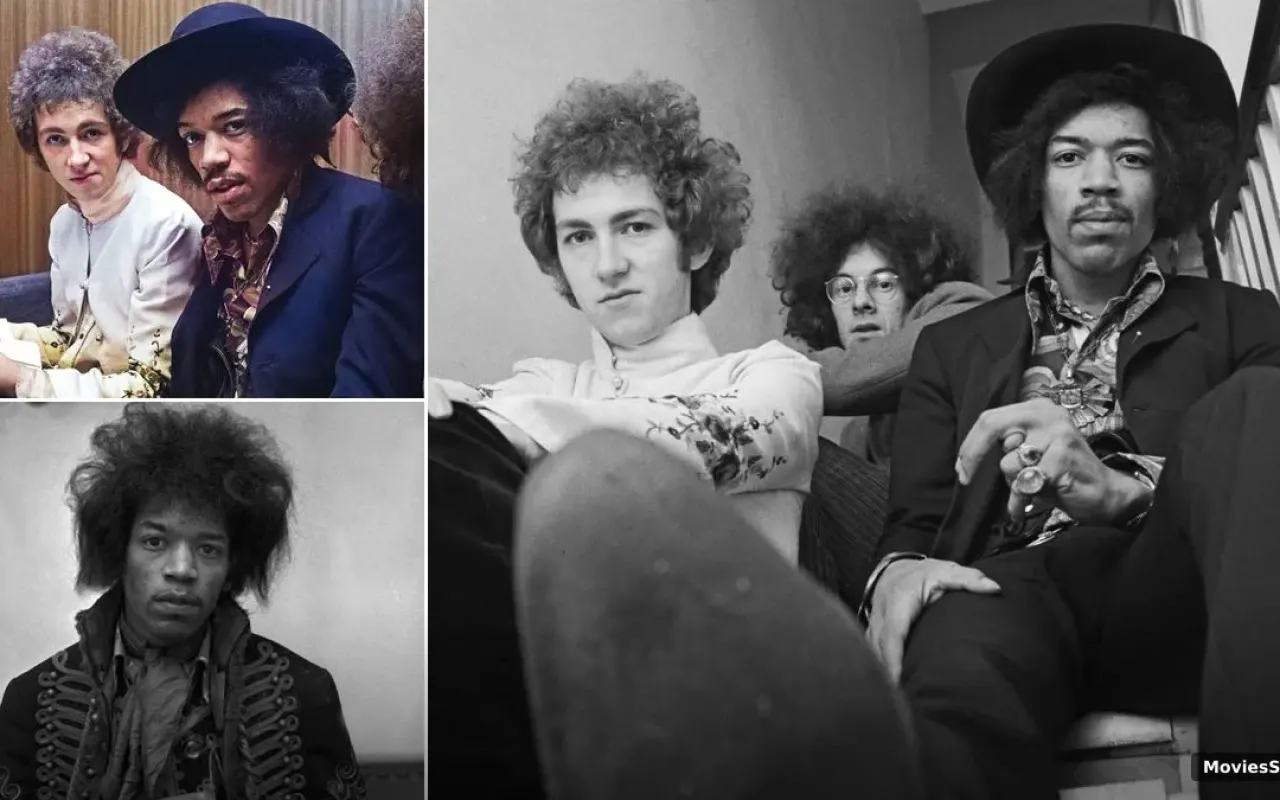
In a landmark ruling that reverberates through the halls of music history and the boardrooms of modern streaming giants, the High Court of Justice in London has delivered a definitive blow to the estates of Jimi Hendrix’s former bandmates. The Jimi Hendrix copyright lawsuit Sony case, which has spanned over four years of intense litigation, concluded with a 140-page judgment that reinforces the sanctity of legacy contracts in the digital age. Mr. Justice Edwin Johnson dismissed all claims brought by the estates of bassist Noel Redding and drummer Mitch Mitchell, effectively shielding Sony Music and Experience Hendrix LLC from a massive retrospective royalties claim.
The core of the dispute centered on whether the legendary rhythm section of the Jimi Hendrix Experience held any lingering performers’ property rights or copyright ownership in the band’s most iconic recordings. The estates argued that the advent of digital streaming—a technology unforeseen in the 1960s—opened a new door for compensation. However, the court found that the "clear and unequivocal" language of a 1966 recording agreement, coupled with ironclad settlement releases from the 1970s, barred any such recovery.
Who owns the rights to Jimi Hendrix Experience recordings?
The rights to the Jimi Hendrix Experience studio recordings, including albums like Electric Ladyland, are owned by Experience Hendrix LLC and licensed to Sony Music. A 2026 UK High Court ruling confirmed that the original 1966 recording agreement granted full copyright to the producers, and subsequent settlements in the 1970s barred claims from the estates of bandmates Noel Redding and Mitch Mitchell.
The High Court Verdict: A Comprehensive Victory for Sony and Experience Hendrix
The High Court Hendrix ruling, handed down on April 28, 2026, represents a total victory for Sony Music Entertainment UK and Experience Hendrix LLC. The claimants, Noel Redding Estate Ltd and Mitch Mitchell Estate Ltd, had sought a declaration that they were entitled to shares in the ownership of copyrights for approximately 40 studio recordings. These recordings comprise the bedrock of the Hendrix catalog, including the seminal albums Are You Experienced, Axis: Bold as Love, and Electric Ladyland.
Justice Edwin Johnson’s judgment was exhaustive, addressing both the copyright infringement claim and the alleged breach of performers’ rights. The court’s decision rested on two primary pillars: the original 1966 contract and the subsequent legal releases signed by the musicians after Hendrix’s death in 1970. By dismissing the claims, the court confirmed that the "chain of title" held by Experience Hendrix LLC—the company run by Janie Hendrix—is valid and unassailable.
This Noel Redding Mitch Mitchell estate lawsuit was not merely about past unpaid royalties; it was a strategic attempt to redefine how 1960s "work-for-hire" style contracts apply to 21st-century digital exploitation. The failure of this claim suggests that the music industry’s legacy catalog remains protected under the Copyright Act 1956 and subsequent regulations, provided the original contracts were sufficiently broad.
The 1966 Recording Agreement: Decoding 'Clause 6'
To understand why the Jimi Hendrix Experience royalties trial ended in a dismissal, one must look back to October 11, 1966. On that day, Hendrix, Redding, and Mitchell signed a recording agreement with producers Michael Jeffery and Bryan "Chas" Chandler. The document, though drafted in an era of vinyl and AM radio, contained language that Justice Johnson described as remarkably clear.
Clause 6 of the agreement was the focal point of the legal battle. It stated that the producers were to own "the copyright throughout the world in all sound recordings of performances of musical works by the artists." The judge noted that there was no "temporal or territorial limitation" to this grant of rights. In legal terms, the band members had essentially entered into a work for hire music contract, where the intellectual property was vested in the producers from the moment of creation.
The Failure of the 'Unforeseen Technology' Argument
The estates’ legal team, led by Simon Malynicz KC, argued that the musicians could not have consented to streaming or digital downloads because such technology was "unforeseen" in 1966. They contended that the 1996 and 2003 Regulations (The Copyright and Related Rights Regulations) should grant the performers new property rights that were not covered by the old contract.
Justice Johnson rejected this, ruling that the 1966 agreement was broad enough to encompass any future method of exploitation. The judge remarked that while the terms might be viewed as "trenchant" or even unfair by modern standards, the court’s role is to construe the agreement as it was written. This sets a significant precedent for legacy artist streaming royalties, suggesting that "all-encompassing" language in old contracts will likely continue to hold up against digital-era challenges.
The 1970s New York Settlements: A Legal Barricade
Even if the 1966 contract had been found lacking, Sony had a secondary line of defense: the 1970s settlement agreements. Following Jimi Hendrix’s death in September 1970, both Redding and Mitchell initiated legal proceedings in the Surrogate’s Court of New York and the Supreme Court of New York against the estate administrator, Kenneth Hagood.
These disputes were settled in the early 1970s:
- Noel Redding: Signed a settlement release and covenant not to sue on April 22, 1973.
- Mitch Mitchell: Executed a similar release on September 30, 1974, and withdrew his appeals with prejudice.
In exchange for what were described as "significant payments" at the time—though the estates now claim the musicians died in "relative poverty"—the bandmates gave up any future claims related to the Hendrix catalog. The High Court found that these releases were "amply wide enough" to cover modern exploitation. Justice Johnson noted that the Redding release was sufficiently broad to include all rights and claims in respect of the performances, effectively creating a permanent legal bar to any further litigation.
The 40 Recordings at Stake
The lawsuit specifically targeted the "master recordings" of the Experience’s brief but prolific career. While often referred to as "around 40 recordings," the list includes the foundational tracks of the psychedelic rock movement. Key recordings cited in the copyright infringement claim included:
- "Hey Joe" (The band's debut single)
- "Purple Haze" and "The Wind Cries Mary"
- The entirety of the Are You Experienced album (1967)
- The Axis: Bold as Love sessions (1967)
- The double-LP masterpiece Electric Ladyland (1968)
The estates also sought an inquiry into recordings made during the band's final performances, including their last show at the Denver Pop Festival on June 29, 1969. The court's ruling ensures that the revenue from these tracks continues to flow through the established chain of title to Experience Hendrix LLC and Sony.
Industry Implications: Why Labels are Breathing a Sigh of Relief
The Experience Hendrix LLC legal victory is being viewed as a "bullet dodged" for the wider music industry. Had the Redding and Mitchell estates succeeded, it would have opened the floodgates for the heirs of other 1960s and 70s "sidemen" to sue for a piece of the streaming pie. From the bandmates of David Bowie to the session musicians for The Beatles, a different ruling could have destabilized the ownership of thousands of classic recordings.
"While technological developments have had a significant impact, it is important that where clear and comprehensive agreements have been made, they are honoured by the parties who have agreed them and their successors." — Statement from Sony Music and Experience Hendrix LLC
This case shares parallels with recent disputes involving members of The Police and Sting regarding royalty distributions, but the Hendrix case is unique due to the age of the contract and the finality of the 1970s releases. It reinforces the principle that intellectual property rights in sound recordings UK law will prioritize the written contract over evolving social perceptions of "fairness" to supporting musicians.
The Legacy of the Jimi Hendrix Experience
Despite the legal friction, the cultural impact of the Jimi Hendrix Experience remains unparalleled. Janie Hendrix, CEO of Experience Hendrix LLC, maintained a diplomatic tone following the verdict, stating, "I have nothing but positive memories of Noel and Mitch." She emphasized the company's commitment to honoring the musicians who helped shape Jimi's sound while protecting the estate's legal rights.
The Hendrix catalog is estimated to be worth hundreds of millions of dollars, with Electric Ladyland alone continuing to generate massive streaming numbers. For the estates of Redding (who died in 2003) and Mitchell (who died in 2008), the loss marks the end of a long-shot attempt to correct what they viewed as a historical financial injustice. For Sony, it secures the future of one of the most lucrative catalogs in rock history.
Key Takeaways: The Hendrix Royalties Decision
- Contract Supremacy: The 1966 agreement's "Clause 6" granted full copyright to producers, leaving no room for bandmates to claim ownership.
- Streaming Rights: The court ruled that broad legacy contracts cover "unforeseen" digital technologies like streaming and downloads.
- Settlement Finality: The 1973/1974 New York releases acted as a permanent bar, preventing the estates from reopening claims decades later.
- Chain of Title: Sony Music’s right to exploit the catalog was upheld through its exclusive license with Experience Hendrix LLC.
- Precedent: This ruling makes it significantly harder for legacy "sidemen" or their estates to challenge 1960s-era recording agreements in the UK.
Conclusion: A Final Note on the Hendrix Legal Saga
The dismissal of the Jimi Hendrix copyright lawsuit Sony case likely marks the final chapter in the litigation surrounding the original Experience lineup. While the Redding and Mitchell estates may theoretically seek to appeal to the Supreme Court, the "clear and unequivocal" nature of Justice Johnson’s 140-page judgment leaves little room for a successful challenge. As the music industry continues to navigate the complexities of music streaming rights legacy contracts, the Hendrix case stands as a definitive guidepost: in the eyes of the law, the ink on a 1966 contract is as permanent as the music it helped create.