On the morning of December 8, 1980, John Lennon sat in his apartment at the Dakota, fresh off an iconic photo shoot with Annie Leibovitz, and started talking. He wasn't just talking to fill the air; he was promoting Double Fantasy, his first album in five years, and reflecting on a life that finally felt settled. Hours later, he was gone. Now, decades after that tragic night, director Steven Soderbergh is bringing that conversation to life in John Lennon: The Last Interview, a film that uses cutting-edge technology to visualize the final thoughts of a legend.
What is Steven Soderbergh's John Lennon documentary about?
The documentary John Lennon: The Last Interview, directed by Steven Soderbergh, features the final in-depth conversation Lennon gave on December 8, 1980. It utilizes Meta AI for 10% of its visuals to illustrate Lennon's abstract ideas and reflections from his last day, blending archival footage with generative technology.
The Core Premise: John Lennon’s Final Hours on Tape
The backbone of this film isn't a scripted narrative or a talking-head retrospective. It is the raw, unfiltered conversation Lennon and Yoko Ono had with a small crew from the KFRC radio station in San Francisco. While many Lennon documentaries focus on the "Lost Weekend" or the height of Beatlemania, this project captures a man at his most disarmingly upbeat and, occasionally, his most messianic.
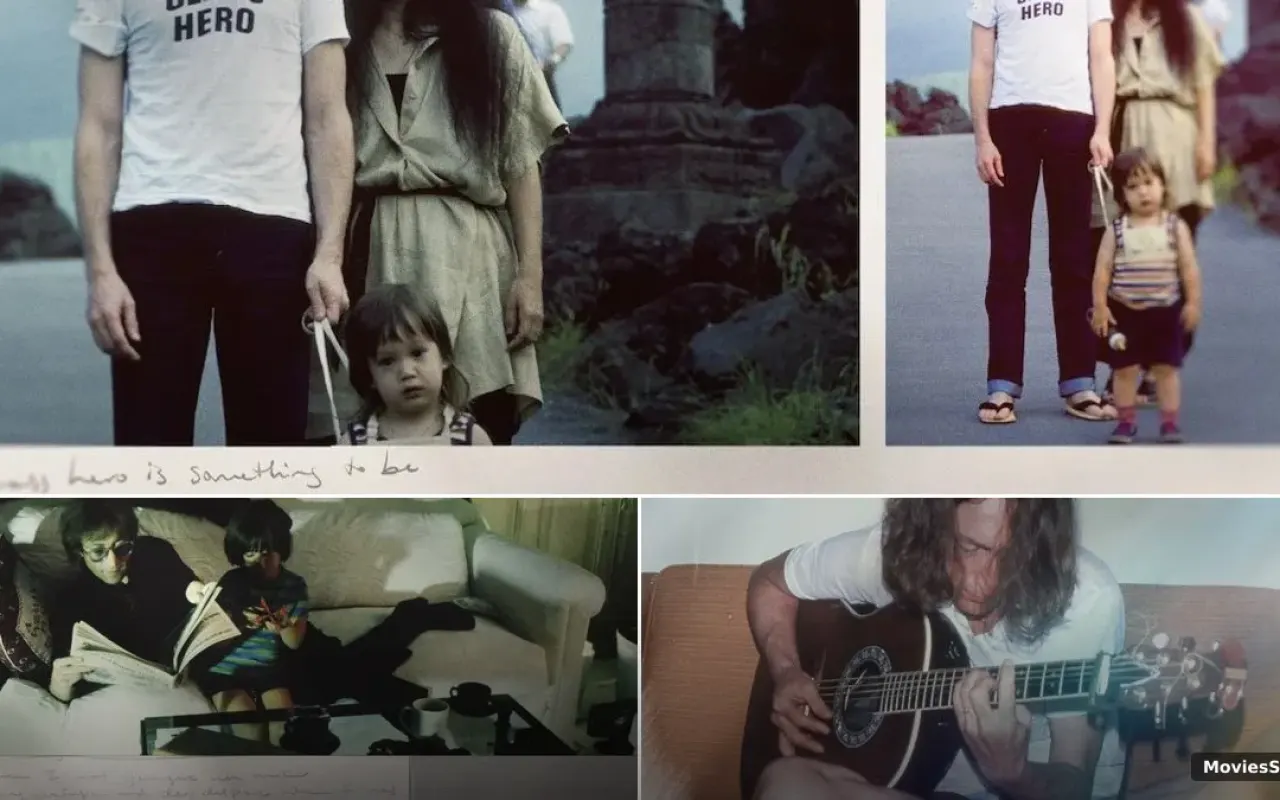
Lennon had spent the previous five years as a self-described "househusband," a term he practically pioneered while raising his son, Sean. In the interview, he describes a life of making breakfast (no sugar!) and watching Sesame Street—a domesticity that stood in stark contrast to his status as a global icon. Real talk: the John Lennon final interview 1980 reveals a 40-year-old artist who felt like he was just hitting his second act. He was talking about touring again and the "renaissance" of his relationship with Yoko, making the subsequent tragedy feel even more poignant.
Steven Soderbergh and the Meta AI Strategy
When the Steven Soderbergh John Lennon documentary was first announced, the internet had a collective meltdown over the mention of artificial intelligence. But here is the thing: this isn't a deepfake movie trying to trick you. Soderbergh, working with Mishpookah Entertainment Group and Sugar23 production, used generative AI for approximately 10% of the film’s 97-minute runtime.
The Soderbergh Meta AI film partnership specifically utilized Meta’s advanced video generation tools, including Emu Video and Movie Gen. Rather than recreating Lennon’s face to say things he never said, Soderbergh used these tools to create "fantasy images" that illustrate Lennon’s abstract thoughts. When Lennon talks about the cultural gulf between men and women or his philosophical shifts, the AI generates dreamlike visuals that archival photos simply couldn't capture. It’s a technical breakdown that moves away from traditional VFX and into a new era of generative AI in film.
The Ethics of Digital Resurrection
The use of AI for deceased celebrities is always a lightning rod for controversy. Critics often point to the "uncanny valley" or the lack of consent. However, because John Lennon: The Last Interview relies on an existing, verified audio recording, the AI serves as a canvas rather than a replacement. Unlike Apple Corps’ official Beatles projects (like the recent "Now and Then" track), which used AI for audio restoration, Soderbergh is using it for atmospheric storytelling. It’s a move that has sparked intense debate among the Beatles fan community, but the goal here is to augment the music history documentary experience rather than rewrite it.
The KFRC Crew: The People Behind the Mic
While the spotlight is on Lennon, the KFRC San Francisco radio history is a vital part of this story. The interview wasn't conducted by a celebrity journalist, but by a dedicated radio crew: Dave Sholin, Laurie Kaye, Ron Hummel, and Bert Keane. These were the last people to engage with Lennon in a professional capacity before he left for the Record Plant studio that evening.
The crew initially agreed to a restriction: they wouldn't ask about the Beatles or "the past." This forced the conversation into the present moment, focusing on the Double Fantasy album and Lennon’s vision for the 1980s. Radio historians note that the KFRC-AM tapes are unique because they capture a "marketing" version of Lennon—he was selling his happiness, but the cracks of his trademark acid cynicism still peeked through.
Cannes 2026 Premiere and Global Sales
The film made waves at the Cannes market sales, with Patrick Wachsberger 193 handling the international rollout. The buzz in the South of France was electric, as buyers looked for the next definitive music doc. While CAA Media Finance manages the North American rights, the film is positioned as a prestige theatrical and streaming event for 2026.
The John Lennon Cannes 2026 debut highlighted the film's 97-minute runtime, which many felt was the perfect length to sustain the intensity of that single day. There is still no word on whether the full 2 hour and 45 minute raw audio will be released separately, but for now, the film remains the most comprehensive way to experience that final dialogue.
The Soundtrack: Philosophy and "Double Fantasy"
You can't have a Lennon film without the music, and the needle drops here are curated with surgical precision. The film features tracks like "God," "Love," and "Grow Old With Me," alongside Double Fantasy hits like "(Just Like) Starting Over."
- "God": Used to underscore Lennon's transition from the 70s "Lost Weekend" into his 80s domesticity.
- "Starting Over": Lennon explains in the interview that this wasn't just about him and Yoko, but a message for men and women to reconcile globally.
- "Love": This track plays over the closing credits, leaving the audience with the "sequel to the Beatles' message" that Lennon was trying to broadcast.
Lennon’s reflections on John Lennon vs Paul McCartney documentary comparison points are subtle; he wasn't interested in the rivalry anymore. He was focused on equality and a "new square one" for his life. The Yoko Ono interview segments within the doc also provide a necessary counterpoint, showing their unified front during what would be their final hours together.
Key Takeaways from John Lennon: The Last Interview
- The Date: The film covers the John Lennon final interview 1980, recorded on December 8, just hours before his death.
- The AI Factor: Steven Soderbergh used Meta AI (Movie Gen/Emu Video) for 10% of the visuals to create abstract imagery.
- The Crew: The interview was conducted by the KFRC radio station crew, including Dave Sholin and Laurie Kaye.
- The Vibe: Lennon is described as "messianically happy," promoting a message of love and domesticity.
- The Runtime: The documentary clocks in at 97 minutes of archival and AI-integrated footage.
- Sales: Handled by Patrick Wachsberger 193 and CAA Media Finance following a major Cannes launch.
As we look toward the Soderbergh documentary filmography 2026, this film stands out as a bold experiment. It asks us to listen—really listen—to what Lennon was saying before the world changed. Whether you're a Beatles completionist or a tech nerd curious about the future of cinema, this film offers a haunting, beautiful, and tech-forward look at a man who was only just beginning his next chapter.