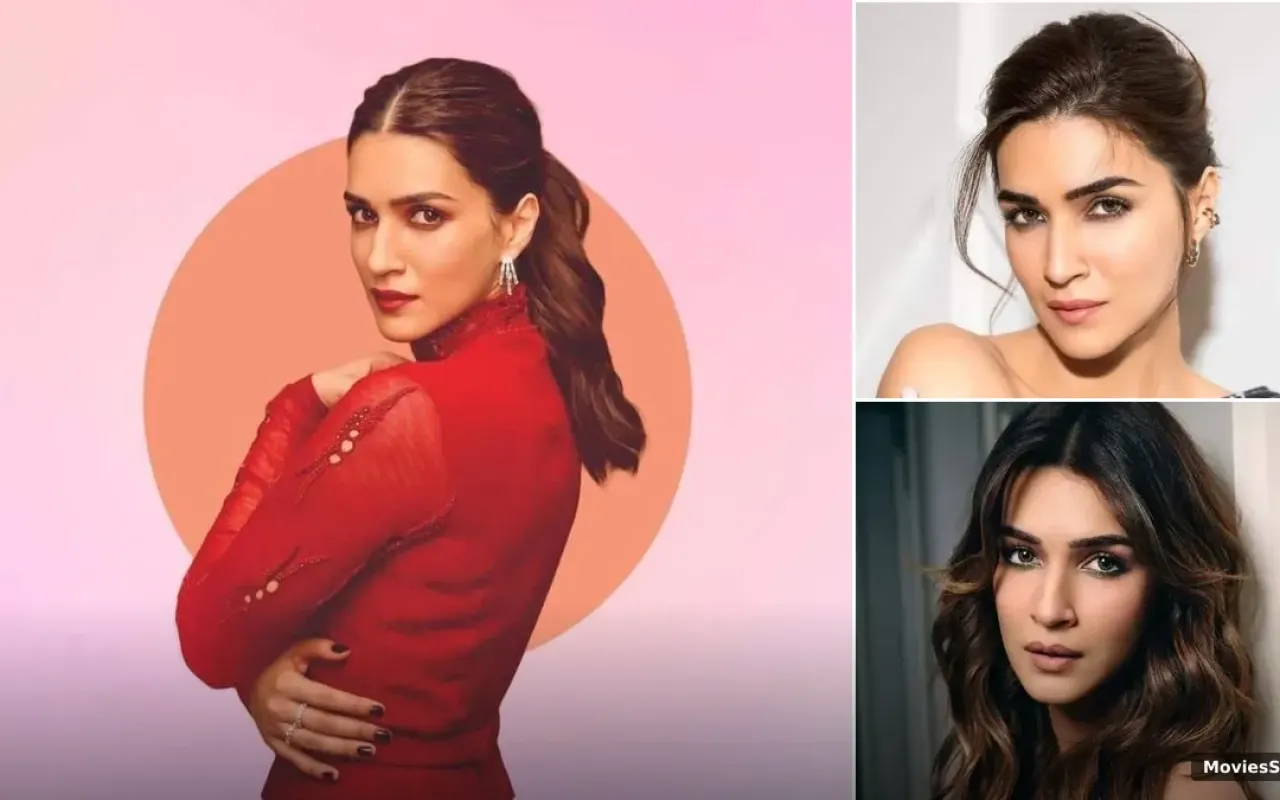
In a revealing 2026 GQ India interview, National Award-winning actress Kriti Sanon has ignited a necessary firestorm regarding the systemic Kriti Sanon Bollywood pay parity gap. Despite her status as an industry A-lister, Sanon describes a landscape where patriarchy remains "deeply ingrained," manifesting in everything from skewed fee negotiations to the subtle hierarchies of on-set facilities. As the industry moves into a new era of cinema, Sanon’s transition from a frustrated "outsider" to a powerhouse producer with Blue Butterfly Films marks a pivotal shift in how female stars are reclaiming their worth.
What did Kriti Sanon say about Bollywood pay parity?
Kriti Sanon highlighted how producers often negotiate down female leads' fees to cut costs while maintaining high salaries for male actors, describing patriarchy as "deeply ingrained" in the industry. She noted that when budgets are tightened, the actress is typically the first to face financial cuts, regardless of her contribution to the film's success.
The Economics of Inequality: Why Female Fees are Cut First
The financial architecture of a Bollywood blockbuster often reveals a staggering imbalance. Sanon pointed out that when a production needs to "cut corners," the female lead remuneration is almost always the first target for reduction. This occurs even when a massive portion of the budget—often estimated between 60% to 80% in male-centric films—is already allocated to the male superstar.
This Bollywood gender bias isn't just about the numbers; it’s about the perceived value of the performer. While Sanon advocates for equality, the industry's economic defense often leans on "the numbers." For instance, actors like Saif Ali Khan have previously argued that pay is a "balanced economic system" dictated by who can "fill seats in the theatre." However, Sanon’s argument transcends simple box office metrics, focusing instead on the subconscious bias that assumes a woman’s contribution is more negotiable than a man’s.
- Budget Allocation: In many big-budget projects, the male lead's fee can equal the entire production cost of a female-led film.
- Negotiation Tactics: Producers often leverage the "tight budget" narrative specifically when closing deals with actresses.
- Economic Justification: The industry frequently uses the "superstar" label to justify pay gaps, often ignoring the bankability of National Award winners like Sanon.
Subtle Sexism: From 'Better Cars' to Waiting on Set
Beyond the paycheck, Sanon highlighted the "small things" that reflect a lack of gender equality in cinema. She recalled an early-career incident where a male co-star, who was not her senior, was provided with a significantly better car and superior on-set facilities. "It wasn’t about the car," Sanon explained, "but about being respected equally."
Another persistent issue is the "ready first" culture. Actresses are frequently pressured to be in full hair and makeup hours before their male counterparts to ensure the leading man never has to wait. This practice not only impacts on-set facilities and productivity but also reinforces a hierarchy where the male actor's time is viewed as inherently more valuable. These micro-aggressions, Sanon argues, are symptoms of a patriarchy in the film industry that most people accept as standard operating procedure.
The Outsider's Journey: Losing Roles to Star Kids
Sanon’s path to the top was anything but guaranteed. As an "outsider" without a film lineage, she faced a level of uncertainty that star kids rarely encounter. Before her Mimi breakthrough, Sanon admitted to losing several high-profile roles to actors with industry connections—a frustration shared by other "outsider" contemporaries like Taapsee Pannu and Kangana Ranaut.
The Kriti Sanon star kids commentary sheds light on the invisible hurdles of nepotism. While star kids are often groomed for success with multiple "re-launches," outsiders like Sanon are frequently one flop away from career obscurity. This makes her National Film Award for Best Actress for Mimi even more significant; it served as a definitive validation of her talent that the industry could no longer ignore.
Timeline: The Evolution of an Outsider
- 2014: Debut in Heropanti; the struggle to be seen as more than a "commercial" face begins.
- 2021: Mimi releases; a career-defining performance that shifts her trajectory.
- 2023: Wins the Kriti Sanon National Award, gaining immense leverage in fee negotiations.
- 2024: Launches Blue Butterfly Films and produces Do Patti.
- 2026: Leads the highly anticipated Cocktail 2 and stars in Tere Ishk Mein with Dhanush.
Blue Butterfly Films: Reclaiming the Producer's Chair
Frustrated by the lack of "meaty, well-written scripts" for women, Sanon took the ultimate step toward autonomy by launching her own production house, Blue Butterfly Films. Her debut production, Do Patti, was a strategic move to create roles that aren't merely supporting characters in a male-led narrative.
Sanon’s mission as a producer is to dismantle the mindset that top male stars cannot play supporting roles in female-led stories. While women have historically played "the love interest" in male-centric blockbusters, the reverse is rarely true. Through Do Patti production and future projects, Sanon aims to structure pay and billing in a way that reflects actual contribution rather than traditional gender roles.
The 'Cocktail 2' Era and Future Outlook
As of June 2026, the industry is buzzing with the Cocktail 2 release date set for June 19. Directed by Homi Adajania, the film is a spiritual successor to the 2012 hit but features a fresh narrative. Sanon takes on the role of 'Ally,' starring alongside Shahid Kapoor and Rashmika Mandanna.
Fans are already raving about her "baddie" avatar and the dance track "Jab Talak," but for Sanon, the film represents more than just a potential box office hit. It is a test of whether a high-profile ensemble can maintain the gender equality in cinema she has been championing. With the recent success of Tere Ishk Mein, Sanon’s box office pull is at an all-time high, providing her the National Award-backed leverage needed to demand the respect—and the remuneration—she has earned over her 12-year journey.
Key Takeaways
- Systemic Bias: Producers frequently negotiate down female fees first when budgets are tight.
- Subconscious Patriarchy: Inequality manifests in "small" ways, such as on-set transport and waiting times.
- The 'Mimi' Effect: Winning a National Award significantly increases an actress's negotiation power and industry standing.
- Entrepreneurial Pivot: Blue Butterfly Films was born from a need to create substantial, non-supporting roles for women.
- Star Kid Factor: Outsiders face unique uncertainties and often lose roles to those with industry lineage.
Conclusion
Kriti Sanon’s evolution from a debutante in Heropanti to a National Award-winning producer represents a broader evolution of female-led cinema in India. By speaking out against the Kriti Sanon Bollywood pay parity issues, she is not just asking for a raise; she is demanding a fundamental restructuring of how respect is measured in the film industry. As Cocktail 2 prepares for its global release, the spotlight remains on Sanon—not just as an actor, but as a catalyst for systemic change in 2026 and beyond.