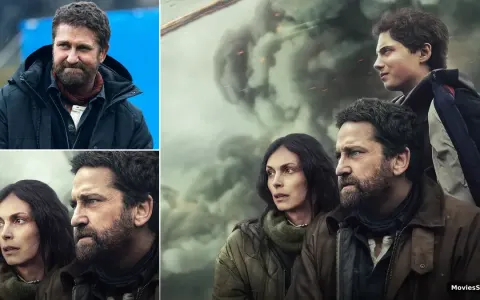
The 2021 reboot of the legendary fighting franchise left many fans conflicted, caught between the thrill of seeing high-budget fatalities and the frustration of a protagonist who didn't exist in the source material. With the release of the 2026 sequel, the franchise attempts a "flawless victory" by pivoting toward the characters fans have loved for decades. This Mortal Kombat II review explores how the production has course-corrected, delivering a blood-soaked spectacle that prioritizes fan service and over-the-top action over the grounded grit of its predecessor.
Directed by Simon McQuoid and written by Jeremy Slater, the sequel raises the stakes for Earthrealm. While the first film served as a prolonged prologue, Mortal Kombat II finally brings us into the heart of the conflict between the dimensions. With an estimated global opening of $65M-$80M, the film is proving that the appetite for R-rated video game adaptations is stronger than ever, even as it faces stiff competition at the box office.
The Post-Credits Question: Why Mortal Kombat II Ends Without a Tease
One of the most frequent questions from opening night audiences is whether they should stay through the final scroll of names. To save you the wait: Mortal Kombat II does not have a post-credits scene. Screenwriter Jeremy Slater confirmed that while several scenes were written—including potential teases for Noob Saibot and the Netherrealm—they were not filmed to avoid boxing the production into a specific plot for a potential third film and to manage the production budget effectively.
This decision marks a departure from the "Marvel-ification" of modern blockbusters. By omitting a Mortal Kombat II post credits scene, the filmmakers have opted for a definitive ending to this chapter. However, the lack of a stinger doesn't mean the future is uncertain. The final moments of the film provide a clear Mortal Kombat 3 setup, suggesting that while the current tournament may be over, the war for the realms has only just begun. The focus remains on the immediate fallout of the battle with Shao Kahn, leaving the door open for a broader exploration of the Netherrealm in future installments.
Karl Urban as Johnny Cage: The Hero the Reboot Needed
If the first film suffered from a personality vacuum, Karl Urban Johnny Cage is the high-octane solution. Urban portrays Cage as a washed-up, '90s-era action star clinging to the glory days of his fictional blockbuster Citizen Cage. Plucked from the comic-con circuit by the Elder Gods, Urban’s Cage serves as the audience surrogate, reacting to the supernatural insanity of Outworld with a mix of American arrogance and dry wit.
Urban’s performance is a masterclass in "self-aware ego." He manages to be both a comic relief and a legitimate threat, utilizing his signature crotch-punch and shadow-kick moves with surprising fidelity to the games. His chemistry with Josh Lawson’s Kano—who is resurrected here in a stroke of narrative convenience—provides the film's funniest moments. While the 2021 lead, Cole Young, remains in the Mortal Kombat II cast, his role is significantly reduced to that of a supporting fighter, allowing Cage to take center stage. This shift addresses a major content gap from the first film, finally giving the franchise a lead with the charisma to match the source material's legacy.
Mortal Kombat II Fatalities and Fights: Ranking the Brutality
The core appeal of any Mortal Kombat II review is the "Fatality Tracker." This sequel does not pull its punches, leaning heavily into its R-rating with "Ninja Power Blender" levels of gore. The fight choreography has seen a massive upgrade, moving away from the shaky-cam of the first film toward wider shots that showcase the physical prowess of the cast.
- Liu Kang vs. Kung Lao: A sparring session that evolves into a high-stakes display of Liu Kang fire powers and bladed-hat precision.
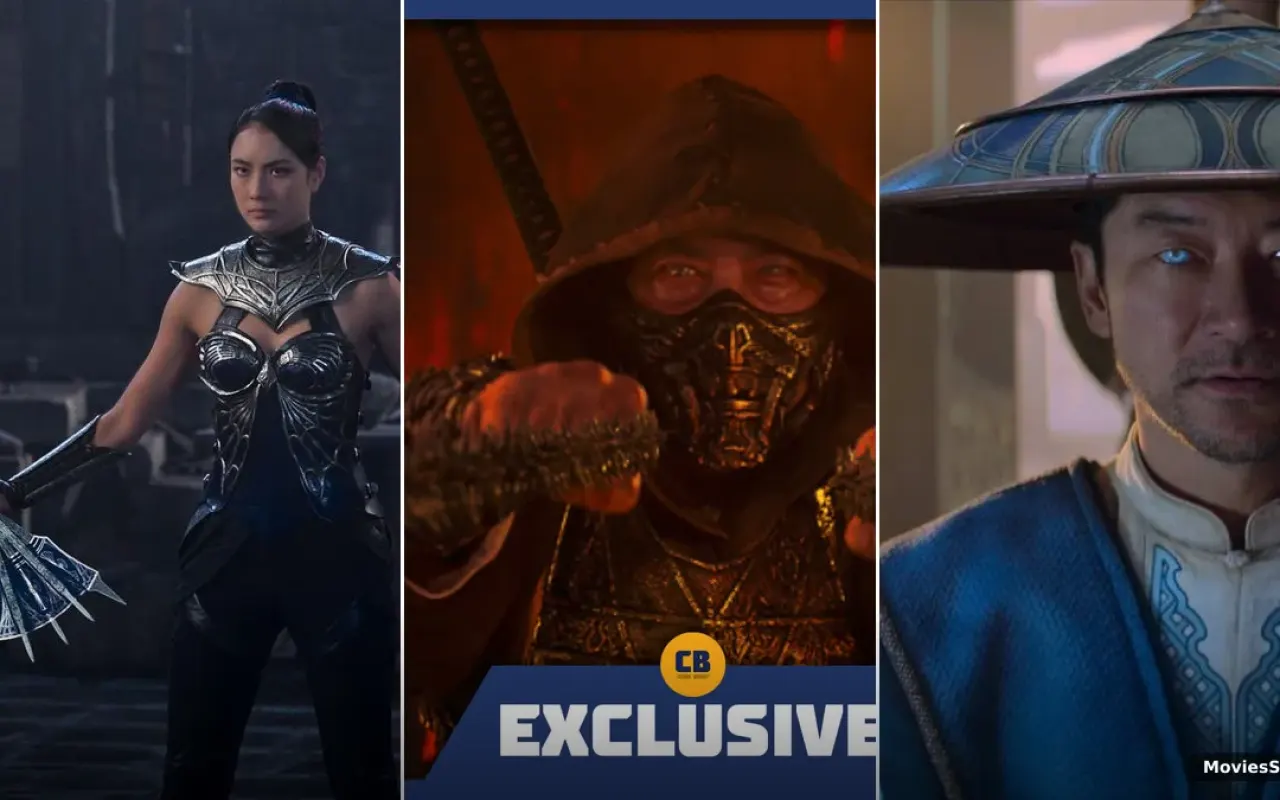
- Kitana’s Bladed Fans: Adeline Rudolph brings a lethal elegance to Kitana, using her fans to perform a "fan-lift" fatality that is a direct recreation of her 1993 game debut.
- The Baraka Showdown: The introduction of Baraka (CJ Bloomfield) provides one of the film’s most visceral fights, featuring a Tarkatan arm-blade duel that ends in a limb-hacking finale.
- Jax’s Metal Might: Mehcad Brooks returns as Jax, and his mechanical arm strength is put to the test in a head-crushing sequence that would make Saw fans wince.
The Mortal Kombat II fatalities are more than just gore; they are tactical. Unlike the first movie, where "Arcana" felt like a generic superhero power-up, the sequel treats these moves as extensions of the characters' martial arts styles. We see elements of Muay Thai in Jax’s brawling and traditional Wushu in Liu Kang’s movements, adding a layer of technical depth that was previously missing.
Lore Check: Kitana, Shao Kahn, and the Outworld Conflict
The narrative weight of the film rests on the shoulders of Kitana and her tragic backstory. As the adopted daughter and prisoner of Shao Kahn, her journey from a reluctant enforcer to a rebel leader provides the emotional core of the film. Martyn Ford portrays Shao Kahn with a "90s-style villain" grandiosity, looking like a "Hot Topic He-Man" but possessing the physical intimidation of a world-conqueror.
A significant evolution in this sequel is the de-emphasis of the "Arcana" tattoo system. While the first film used the tattoos as a literal gatekeeper for powers, Mortal Kombat II suggests that these abilities are more intrinsic to the fighters' souls or their connection to the Netherrealm. This helps explain how characters like Sindel and Jade can wield such devastating magic without the need for a specific birthmark. It also clarifies the tournament logic: while Shao Kahn is a notorious cheater who uses magical amulets as "immortality cheat codes," the Elder Gods maintain a loose oversight that prevents total dimensional collapse.
The Scorpion Problem: Hiroyuki Sanada’s Screen Time
One point of contention among fans will be the limited screen time for Hiroyuki Sanada as Scorpion. Despite being the face of the franchise, Sanada’s Hanzo Hasashi is used sparingly, appearing primarily in pivotal emotional beats and high-impact action sequences. While his presence is felt, the film focuses more on the new generation of defenders, leaving fans hoping for a dedicated Scorpion-centric spin-off or a larger role in the third installment.
Mortal Kombat II vs. The 1995 Original: Which Wins?
For decades, the 1995 Paul W.S. Anderson film was considered the gold standard for video game adaptations due to its campy charm and iconic soundtrack. Mortal Kombat II (2026) challenges this legacy by offering superior technical fidelity and game-accurate violence. While the 1995 version had the personality, the 2026 sequel has the R-rated action that the franchise was built on.
The Mortal Kombat II soundtrack review reveals a blend of modern orchestral swells and nostalgic nods to the techno-beats of the '90s. While it lacks the singular "earworm" quality of the original theme, it effectively heightens the tension of the Outworld arenas. In terms of video game adaptation quality, the 2026 film wins on lore and brutality, even if it occasionally loses the campy "fun" that made the 1995 version a cult classic.
Mortal Kombat II Easter Eggs and Hidden Gems
For the "completionist" viewer, Mortal Kombat II is a treasure trove of references. The film is packed with Mortal Kombat II easter eggs that reward long-term fans of the Netherrealm Studios games.
- The Ed Boon Cameo: The co-creator of the franchise appears as a bartender in a scene where Johnny Cage laments the state of modern action cinema.
- Citizen Cage: Posters and clips from Johnny’s fictional film career are scattered throughout his introduction, including a nod to Ninja Mime.
- Move-Set Accuracy: From Noob Saibot’s shadow clones to Sindel’s sonic scream, the visual effects team has meticulously recreated the frame-data and animations from the modern games.
- The "Toasty" Reference: Listen closely during the Scorpion fights for a subtle audio cue that pays homage to the classic Dan Forden easter egg.
Key Takeaways
- No Post-Credits Scene: Stay for the art, but don't expect a stinger; the filmmakers chose budget and creative flexibility over a mid-credits tease.
- Karl Urban Steals the Show: His Johnny Cage is the definitive highlight, providing the humor and ego the reboot series was missing.
- Gore Galore: The R-rating is fully utilized with game-accurate fatalities and creative deaths.
- Lore Correction: The "Arcana" system is sidelined in favor of more traditional martial arts and magical origins.
- Box Office Success: With a strong 75% Rotten Tomatoes score, the sequel is outperforming the 2021 original in both critical reception and audience satisfaction.
Conclusion: The Future of the Tournament
Mortal Kombat II is a rare sequel that acts as an apology for its predecessor. By listening to fan feedback, Simon McQuoid has delivered a film that feels less like a generic superhero movie and more like the brutal, fantasy-martial arts epic the games deserve. While it still struggles with pacing and an overstuffed roster of Earthrealm defenders, the addition of Johnny Cage and the refinement of the Outworld lore makes this a mandatory watch for fans.
As we look toward the inevitable Mortal Kombat 3, the foundation has been laid for a war that spans the Netherrealm and beyond. The "bar was in hell" for video game movies for a long time, but with this sequel, the franchise has finally climbed out of the pit, bloody and victorious. Whether you are here for the Kitana bladed fans or the Karl Urban quips, Mortal Kombat II delivers the "Finish Him" moment fans have been waiting for since 1992.