In the early 1970s, Sally Field was arguably the most famous "unemployable" person in Hollywood. Despite being a household name, she found herself trapped in a professional purgatory that few actors ever escape. The Sally Field Jack Nicholson career connection is not merely a piece of trivia; it is the pivotal turning point that transformed a dismissed sitcom star into a two-time Academy Award winner. At a time when the industry viewed her as a lightweight gimmick, a secret recommendation from the era’s most rebellious leading man broke the "Flying Nun" curse and redefined the trajectory of 70s cinema history.
The 'Flying Nun' Curse: Why Sally Field Was Unemployable
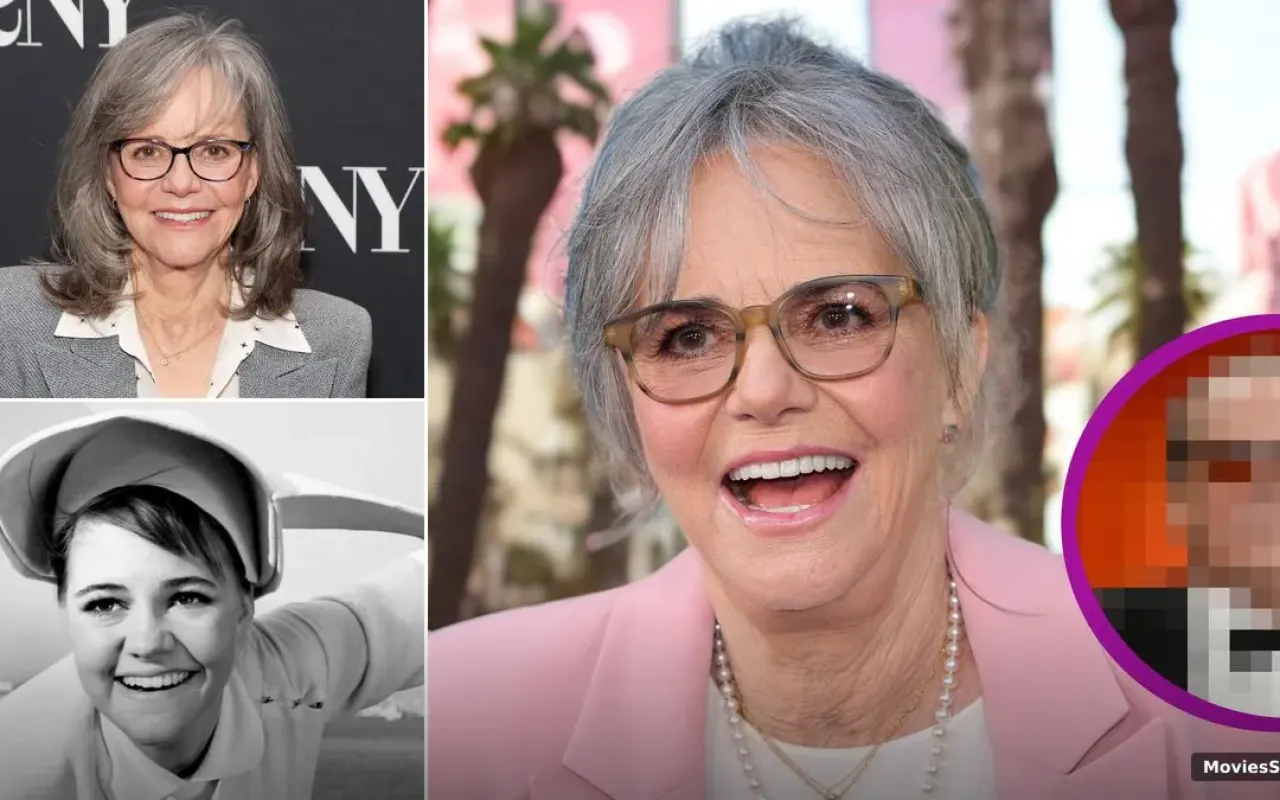
To understand the depth of the career drought Sally Field faced, one must look at the psychological and professional weight of The Flying Nun. From 1967 to 1970, Field starred as Sister Bertrille, a role that required her to wear a heavy cornette and literally take to the skies. While the show was a commercial hit, it became an artistic prison. By the time the series ended, Field was only 23 years old, yet Hollywood executives believed they had already seen everything she had to offer.
The period between 1970 and 1975 was a grueling timeline of rejection. Field has frequently described the Hollywood of this era as "rotten" and "unfair," a sentiment echoed by many women navigating the New Hollywood era. She struggled to even secure auditions. "I couldn’t get in a room," she recalled of those years. "They thought they already knew what I was." This The Flying Nun typecasting was so severe that casting directors would strike her name from lists before she could even read a single line of dialogue.
During this "unemployable" window, Field was also balancing the pressures of young motherhood following the birth of her son, Peter Craig, in 1969. The need for professional stability was at odds with her refusal to settle for more "gidget-style" sitcoms. She realized that if the industry wouldn't give her a chance, she would have to force their hand by becoming undeniable in her craft.
The Actors Studio: Where Method Acting Met Determination
In a move that many saw as a gamble, Field retreated from the spotlight to enroll at the Lee Strasberg Actors Studio in Los Angeles. This wasn't a casual workshop; it was the West Coast headquarters for method acting, a grueling environment where actors were expected to strip away their personas and find raw, emotional truth. Under the mentorship of Lee Strasberg, Field began a transformation that would bridge the gap from sitcom star to serious character actress.
It was within these walls that she caught the eye of the industry’s elite. The Actors Studio was a frequent haunt for the architects of the New Hollywood movement, including Jack Nicholson. Nicholson, fresh off the success of Five Easy Pieces and The Last Detail, was a regular presence at the studio. He witnessed Field performing intense, dramatic scenes—far removed from the whimsical Sister Bertrille—and recognized her as an undiscovered talent hiding in plain sight.
Field’s commitment during this time was absolute. She spent years in the studio, often working on complex scenes that challenged the very core of her artistic identity. This period of "invisible work" was the foundation for her later successes in Sybil and Norma Rae. It was here that she proved she wasn't just a TV personality; she was a student of the craft, prepared to do the hard work that character actress transition requires.
How did Jack Nicholson help Sally Field?
Jack Nicholson helped Sally Field by recommending her as an 'undiscovered talent' to director Bob Rafelson and casting director Dianne Crittenden. After seeing Field's dedication at the Actors Studio in Los Angeles, Nicholson's endorsement led to her breakout role in the 1976 film 'Stay Hungry,' effectively ending her career drought following 'The Flying Nun.'
The Jack Nicholson Recommendation That Changed Everything
The Sally Field Jack Nicholson career intersection reached its climax during the casting of the Stay Hungry 1976 movie. The film was being produced by BBS Productions, the powerhouse company responsible for Easy Rider and Five Easy Pieces. The director, Bob Rafelson, was looking for someone who could hold their own against a cast that included Jeff Bridges and a then-unknown bodybuilder named Arnold Schwarzenegger.
When Nicholson spoke to Rafelson and casting director Dianne Crittenden, his word carried immense weight. Nicholson and Rafelson had a deep creative shorthand, having redefined American cinema together. Nicholson’s insistence that Field was "the real deal" prompted Rafelson to give her the meeting she had been denied for years. This wasn't just a favor; it was a strategic move within the BBS Productions circle to find actors who could bring naturalism to the screen.
Stay Hungry served as the ultimate proof of concept for Field’s new direction. While the film’s box office performance was modest—earning roughly $8 million—its critical impact was seismic. It showed the industry that Field could be gritty, romantic, and grounded. This role broke the dam, and the undiscovered talent Nicholson had championed was finally visible to the world.
From Sitcom Star to Two-Time Oscar Winner
The momentum from Stay Hungry proved to be the catalyst Field needed. In the same year, she delivered a powerhouse performance in the Sybil miniseries, playing a woman with multiple personality disorder. The role earned her an Emmy Award and effectively buried Sister Bertrille forever. The transition from "the girl who could fly" to a serious dramatic force was complete.
The following decade saw Field dominate the Academy Awards, winning Best Actress for Norma Rae (1979) and Places in the Heart (1984). Her famous "you like me" Oscar speech was more than just a moment of gratitude; it was the culmination of a decade-long battle against an industry that had written her off.
Field's legacy continues to evolve. In 2026, she remains a vital force in the industry, starring in the Netflix adaptation of Sally Field Remarkably Bright Creatures. Based on the novel by Shelby Van Pelt, the project showcases her enduring ability to find depth in unique, character-driven stories. Even her family legacy has flourished; her son, Peter Craig, has become a highly respected screenwriter, even earning his own Academy Award nominations, proving that the artistic resilience Field cultivated at the Actors Studio has spanned generations.
Key Takeaways
- The Typecasting Barrier: Sally Field was considered "unemployable" for five years due to her role in The Flying Nun.
- The Power of Training: Field used her career drought to study under Lee Strasberg, proving her dedication to the craft.
- Nicholson’s Intervention: Jack Nicholson’s recommendation to Bob Rafelson was the specific trigger that secured her role in Stay Hungry.
- New Hollywood Connection: The endorsement worked because of the strong creative bond between Nicholson and the BBS Productions team.
- Long-term Success: This revival led directly to her Emmy for Sybil and her two subsequent Academy Awards.
- Current Relevance: Field continues to headline major projects, such as the 2026 film Remarkably Bright Creatures.
Conclusion: A Legacy of Resilience
The story of the Sally Field Jack Nicholson career revival is a testament to the fact that talent alone is rarely enough in Hollywood—it requires a combination of relentless self-improvement and the right advocate at the right time. Nicholson didn't just give Field a job; he gave her the credibility to reclaim her own narrative. By refusing to accept the limitations of the studio system, Field transitioned from a gimmick to a Hollywood icon. Today, as she continues to captivate audiences in projects like Remarkably Bright Creatures, her journey remains the blueprint for every actor fighting to be seen as more than their last role.