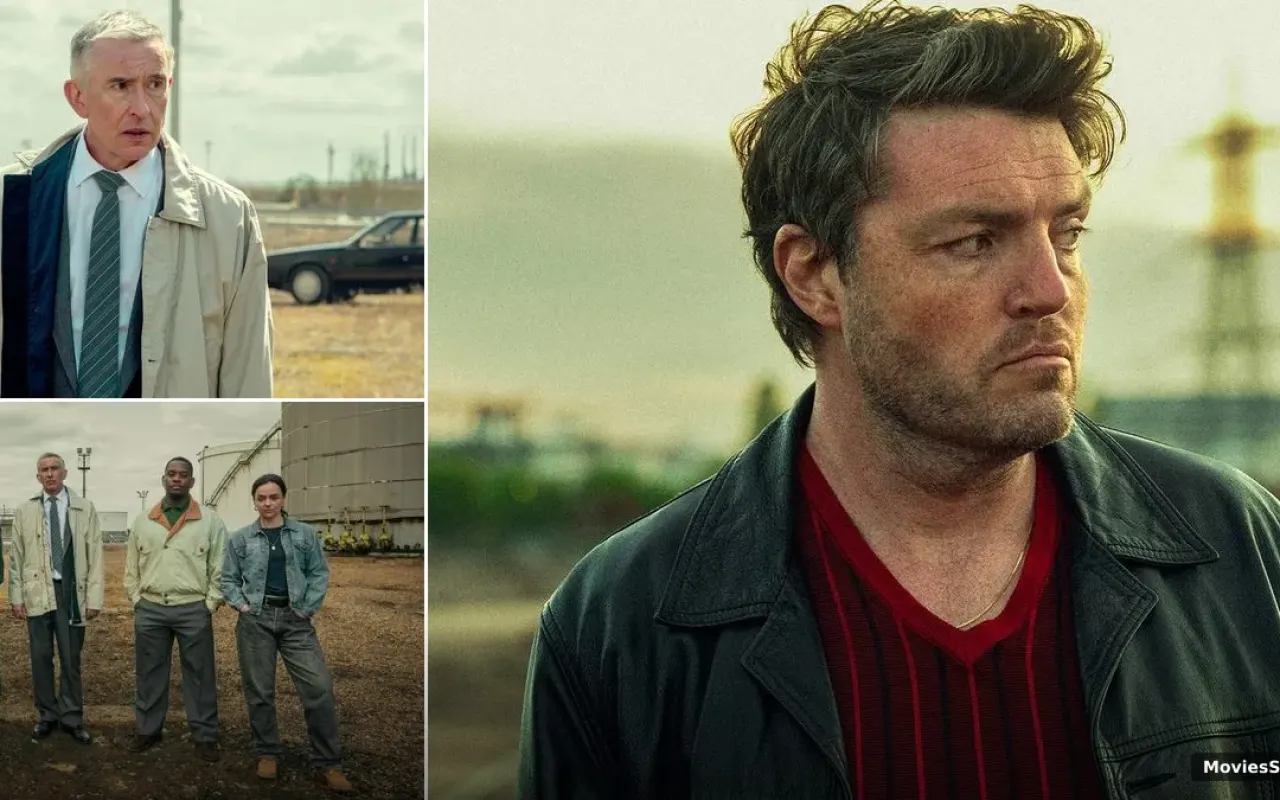
In the early 1990s, the United Kingdom was facing an unprecedented crisis. Heroin was flooding the streets of London and Liverpool, and the traditional methods of policing were failing to stem the tide. While the public focused on the flashy "War on Drugs" headlines, a shadow organization within the British government was orchestrating a desperate, high-stakes gamble. The Legends Netflix true story brings this hidden history to light, detailing how ordinary office workers were transformed into deep-cover operatives to dismantle international smuggling rings from the inside.
Created by Neil Forsyth, the visionary writer behind The Gold, the series explores the moral ambiguity and extreme danger of undercover customs agents 1990s operations. These were not seasoned MI5 spies; they were civil servants from HM Customs and Excise who traded their mundane desk jobs for lives of deception, luxury, and constant fear. This deep dive explores the real-life figures, the secret training of "Legends," and the historical context of a drug war that changed British law enforcement forever.
Is Legends Based on a True Story?
The short answer is yes. The series is a true crime adaptation that draws heavily from historical records and first-hand accounts of a top-secret unit active during the 1990s. At the time, the British government realized they were losing the battle against drug trafficking and needed a radical new approach to infiltrate the highest levels of organized crime.
What is the true story behind Legends on Netflix?
The Netflix series Legends is based on the true story of HM Customs and Excise officers in the early 1990s who went undercover to infiltrate drug gangs. It is specifically adapted from the non-fiction book 'The Betrayer' by Guy Stanton and Peter Walsh, detailing how ordinary employees were trained to adopt false identities, known as 'Legends,' to dismantle international smuggling networks from within.
The Real Guy Stanton: Who Inspired Tom Burke's Character?
At the heart of the narrative is Guy, portrayed by Tom Burke. In reality, the character is based on Guy Stanton, a former customs officer who detailed his experiences in the book Guy Stanton The Betrayer, co-authored with investigative journalist Peter Walsh. Stanton was one of the first "ordinary" employees plucked from a standard administrative role to be thrust into the criminal underworld.
Stanton’s journey began not in a training academy, but in a drab office. Before becoming an undercover asset, he worked in the routine sectors of HM Customs and Excise, dealing with VAT and border tariffs. When the opportunity arose to join a new, elite undercover unit, Stanton was chosen specifically because he didn't "look" like a policeman. This lack of a traditional law enforcement profile was his greatest asset, allowing him to blend into the infiltrating drug gangs that would have spotted a typical detective instantly.
During his research for the series, creator Neil Forsyth conducted extensive interviews with the real Stanton. Forsyth noted that many of these agents came from working-class backgrounds and were motivated by a mix of patriotism and a desire to escape the limitations of their daily lives. However, as The Betrayer details, the transition from a civil servant to a high-rolling criminal "fixer" came with a heavy psychological price that the series explores in visceral detail.
What is a 'Legend'? The Secret Training of Customs Agents
In the parlance of 1990s undercover work, a "Legend" is more than just a fake name. It is a fully realized, back-storied identity designed to withstand the scrutiny of the world's most paranoid criminals. While modern undercover work is heavily regulated, the agents of the early 90s were often operating in a "Wild West" environment where the rules were being written as they went along.
The undercover operation training involved several key components:
- Identity Immersion: Agents were given real bank accounts, credit histories, and even physical apartments that matched their criminal personas.
- The "Anything It Took" Ethos: Unlike the police, who were bound by strict protocols, these customs agents were often encouraged to do whatever was necessary to gain trust, leading to significant ethical and legal gray areas.
- Psychological Resilience: Agents were taught to compartmentalize their real lives (wives, children, and mortgages) while spending weeks or months living as drug dealers and money launderers.
The series highlights the "basic training" these agents received, which was often shockingly brief compared to the life-and-death situations they faced. In reality, the success of a Legend relied more on the agent's natural acting ability and "street smarts" than on formal government instruction.
Legends Netflix Cast & Character Guide: Who's Who?
The Legends Netflix cast features a blend of seasoned character actors and rising stars, many of whom have experience in the British crime drama genre. The ensemble brings to life the tension between the agents on the ground and the bureaucrats pulling the strings.
- Tom Burke as Guy: The central "Legend" who risks his marriage and sanity to climb the ranks of a Turkish drug syndicate. Burke is well-known for his lead role in the Strike series.
- Steve Coogan as Don: The handler who manages the legends. Steve Coogan Don is a departure from his comedic roots, playing a pragmatic, often ruthless supervisor who must balance the safety of his agents with the demands of the Home Office.
- Hayley Squires as Kate: A fellow legend who demonstrates the unique challenges faced by female agents in the male-dominated criminal underworld.
- Tom Hughes as Carter: A ruthless drug kingpin who serves as the primary antagonist. Hughes previously worked with Forsyth on The Gold.
- Charlotte Ritchie as Sophie: Guy’s wife and a fellow customs officer, representing the domestic strain and the "double life" reality of the job.
The production, handled by Tannadice Pictures, utilized specific filming locations across London and Liverpool to recreate the gritty, pre-gentrification atmosphere of the 1990s. The attention to detail extends to the Legends Netflix soundtrack, which features era-defining tracks that anchor the series in its historical moment.
Fact vs. Fiction: How Accurate is the Netflix Series?
While the series takes some dramatic liberties, the core events are rooted in historical fact. The 1990s saw a massive surge in drug trafficking, specifically through a Turkish-Liverpool alliance that utilized the UK’s shipping ports to move massive quantities of heroin.
Historical Accuracy Check:
- The Volume of Drugs: During this era, single operations often resulted in the seizure of hundreds of kilograms of Class A drugs, with a street value in the tens of millions of pounds.
- The Political Context: The series hints at the influence of the Margaret Thatcher era's "tough on crime" stance, which put immense pressure on HM Customs and Excise to produce results at any cost. This pressure often led to the "anything it took" tactics that would later be scrutinized in court.
- The Legal Outcomes: In real life, while these operations led to hundreds of arrests, they also resulted in complex legal battles. Defense lawyers often argued "entrapment," leading to several high-profile collapses of trials in the mid-to-late 90s.
One of the most famous scenes in the series—a tense meeting on a moving Tube train—is a direct nod to the real-life surveillance techniques used by customs officers to avoid being followed by gang members. However, the show's portrayal of the agents as being almost entirely unsupported is a slight exaggeration; while the unit was top-secret, they had a significant logistical "back office" supporting their fake identities.
The Psychological Toll and Legacy of the Legends
The most compelling aspect of the Legends Netflix true story is the focus on the real life consequences of undercover work. Many of the real-life agents, including the figures who inspired the characters of Guy and Kate, suffered from long-term psychological issues. Living a lie for years often made it impossible to return to a "normal" life within the civil service.
By the late 1990s, the "Legend" program began to wind down as HM Customs and Excise was eventually merged with parts of the Inland Revenue and later saw its law enforcement functions absorbed by the National Crime Agency (NCA). The era of the "amateur" undercover agent was replaced by highly specialized, heavily regulated professional units.
In a Guy Stanton interview 2026, the former agent reflected on the era, stating that while they were successful in dismantling specific networks, the "War on Drugs" was a battle that could never truly be won. The series serves as a Legends vs The Gold comparison, showing that while The Gold was about the aftermath of a heist, Legends is about the slow, grinding process of infiltrating a criminal culture.
Key Takeaways
- True Story: The series is based on the real-life undercover units of HM Customs and Excise in the 1990s.
- Primary Source: The narrative is heavily inspired by The Betrayer by Guy Stanton and Peter Walsh.
- The Legend: A "Legend" was a deep-cover identity supported by real documentation, used to infiltrate drug syndicates.
- Cast Power: Starring Tom Burke and Steve Coogan, the show balances character drama with British crime drama tropes.
- Historical Impact: The operations targeted the Turkish-Liverpool drug alliance during a peak in the UK's heroin crisis.
Conclusion: The Lasting Impact of the 'Legends'
The Legends Netflix true story is a powerful reminder of a forgotten chapter in British history. It moves beyond the typical tropes of undercover thrillers to ask difficult questions about the cost of justice. As we look back from 2026, the tactics used by these 1990s customs agents seem both remarkably brave and dangerously unregulated.
Whether the series returns for a second season remains to be seen, but the legacy of the real-life "Legends" continues to influence how modern undercover operations are conducted. For viewers, the show offers a gripping look at the ordinary people who stepped into the heart of darkness, proving that sometimes the most effective weapon against organized crime is a person who looks like they belong in a suburban office rather than a gangland warehouse.