Netflix just dropped $34 million at Cannes to secure the rights to a legal thriller that’s already making waves before a single frame has been edited. The upcoming Monsanto movie Netflix is producing isn’t just another courtroom drama; it’s a high-stakes reconstruction of the trial that brought a global chemical titan to its knees. With a star-studded cast led by Jonathan Bailey and Laura Dern, the film centers on a "David vs. Goliath" battle that fundamentally changed how we look at the food we eat and the chemicals we use in our backyards.
The project, directed by John Lee Hancock, dives into the landmark 2018 litigation that linked the world’s most popular weed killer, Roundup, to cancer. It’s a story of internal whistleblowers, "ghostwritten" scientific studies, and a dying man’s quest for accountability. Here is everything you need to know about the production, the players, and the massive legal fallout still happening in real-time.
What is the true story behind the Netflix Monsanto movie?
The film is based on the 2018 landmark trial Johnson v. Monsanto Co., where high school groundskeeper Dewayne 'Lee' Johnson sued chemical giant Monsanto. Johnson alleged that his non-Hodgkin lymphoma was caused by long-term exposure to Roundup weed killer. Attorney Brent Wisner led the legal team that secured a $289 million verdict, marking the first time a jury linked glyphosate to cancer.
The True Story: Dewayne 'Lee' Johnson vs. Monsanto
At the heart of this Roundup lawsuit movie is Dewayne “Lee” Johnson, played by LaKeith Stanfield. In 2012, Johnson began working as a groundskeeper for the Benicia Unified School District in California. His job involved spraying large quantities of Roundup and Ranger Pro—both glyphosate-based herbicides—across school properties.
The turning point came after two specific accidents where Johnson was accidentally drenched in the chemical. Shortly after, he developed a severe skin rash that eventually evolved into a diagnosis of Non-Hodgkin lymphoma (NHL), a type of blood cancer. By the time the case reached the San Francisco Superior Court in 2018, Johnson’s doctors testified that he had very little time left to live.
The Dewayne Lee Johnson true story is particularly harrowing because of the "failure to warn" aspect. Johnson actually reached out to Monsanto multiple times after his diagnosis, asking if the skin issues he was experiencing could be related to the pesticide. He never received a straight answer. This lack of transparency became the pivot point for the legal team at Wisner Baum LLP.
The San Francisco jury verdict was a bombshell: they awarded Johnson $289.2 million. To break that down, $39.2 million was for compensatory damages (medical bills and suffering), while a staggering $250 million was for punitive damages—essentially a massive fine intended to punish Monsanto for "malice or oppression." While the total was later reduced on appeal, the precedent was set: Monsanto could be held liable for the carcinogenic potential of its flagship product.
Meet the Cast: Who’s Who in the Netflix Drama?
John Lee Hancock has assembled an ensemble that suggests Netflix is gunning for awards season. The casting choices reflect the intensity of the real-life figures involved in the John Lee Hancock Monsanto project.
- Jonathan Bailey as Brent Wisner: Fresh off his success in Wicked and Fellow Travelers, Bailey plays the lead Brent Wisner attorney. In real life, Wisner was a young, relatively "untried" lawyer at the time who took a massive gamble on this case. Bailey’s portrayal is expected to capture the high-energy, relentless style Wisner used to dismantle Monsanto’s defense.
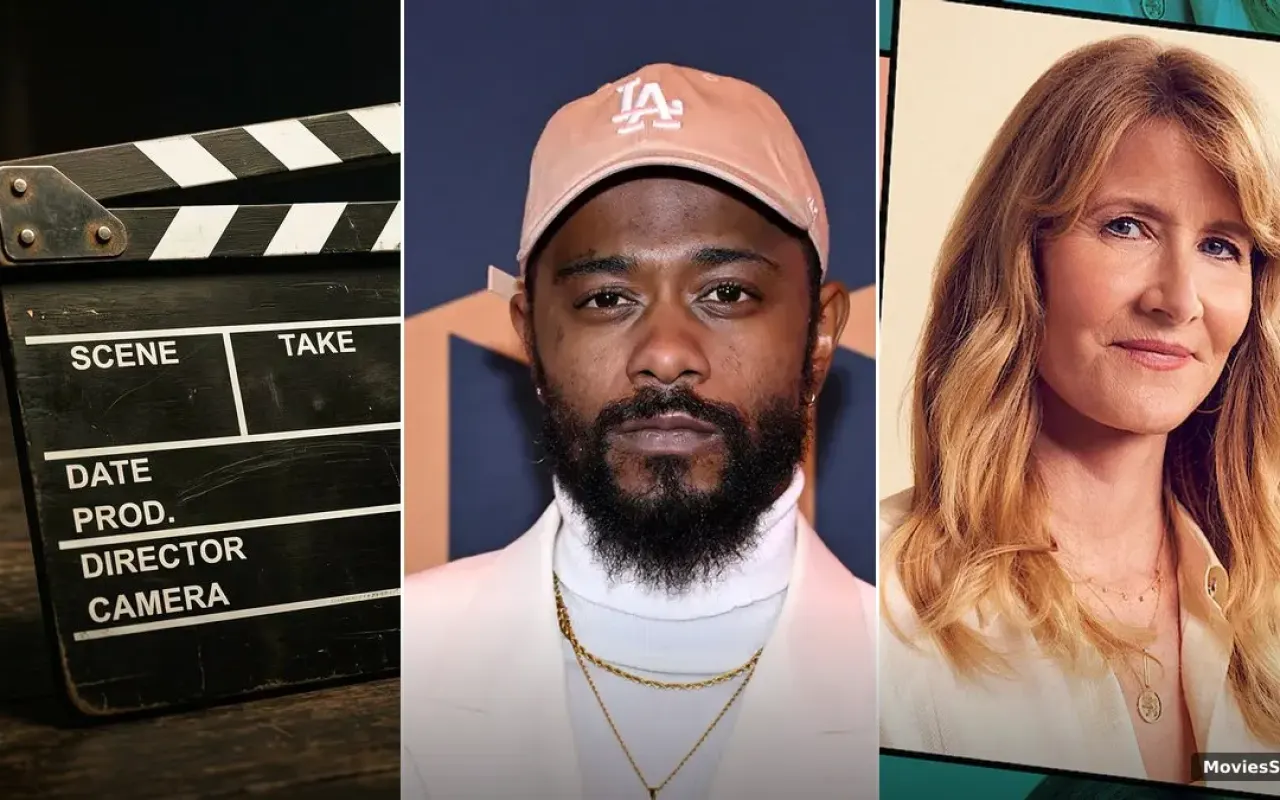
- LaKeith Stanfield as Dewayne 'Lee' Johnson: Stanfield brings the emotional core to the film. His role focuses on Johnson’s physical struggle with cancer and his determination to see the trial through for the sake of his family.
- Laura Dern as Dr. Melinda Rogers: Dern plays the fictionalized Chief toxicologist for Monsanto. Her character represents the corporate wall—the scientific defense that insisted for decades that Glyphosate pesticide was "safer than table salt."
- David Duchovny and Greg Kinnear: While their specific character details are being kept under wraps, they are expected to play key figures within the legal or corporate hierarchy, adding veteran weight to the courtroom drama.
What are the 'Monsanto Papers'?
The "smoking gun" of the Jonathan Bailey Monsanto movie will undoubtedly be the "Monsanto Papers." These weren't just random office memos; they were thousands of pages of internal documents unsealed during the discovery phase of the trial.
The documents revealed a systematic effort by Monsanto to manipulate scientific narrative. Real talk: the papers showed that the company had been "ghostwriting" scientific studies. Essentially, Monsanto employees would write the research defending glyphosate’s safety and then pay independent scientists to sign their names to it.
The Monsanto Papers also exposed the company’s cozy relationship with certain officials at the Environmental Protection Agency (EPA). Internal emails showed Monsanto executives bragging about their ability to "kill" a potential government investigation into glyphosate's toxicity. This evidence was crucial in proving that the company didn't just make a mistake—they actively worked to suppress glyphosate cancer link evidence from reaching the public.
The Science: How Glyphosate Affects Human Cells
To understand why this trial mattered, you have to look at the biology. Glyphosate works by inhibiting a specific enzyme (the shikimate pathway) in plants, which prevents them from making essential proteins. For years, the industry argued that because humans don't have this pathway, the chemical is harmless to us.
However, the International Agency for Research on Cancer (IARC), a branch of the WHO, classified glyphosate as a "probable human carcinogen" in 2015. They pointed to evidence of oxidative stress and DNA damage in human cells exposed to the chemical. In the Johnson trial, experts testified that while we don't have a shikimate pathway, glyphosate can still trigger the mutations that lead to Non-Hodgkin Lymphoma.
Current Legal Context: The 2026 Supreme Court Ruling
The timing of the Monsanto movie Netflix release is incredibly strategic. While the Johnson trial happened in 2018, the legal war is far from over. As of June 2026, the U.S. Supreme Court is weighing in on a massive "failure-to-warn" preemption argument.
Monsanto’s parent company, following the Bayer acquisition in 2018, is arguing that because the EPA (a federal agency) does not require a cancer warning on Roundup labels, individual states should not be allowed to sue them for failing to provide one. If the Supreme Court rules in favor of Bayer, it could effectively shut down tens of thousands of pending Roundup cases currently in the pipeline.
The EPA Roundup safety stance 2026 remains a point of massive contention. While the EPA continues to maintain that glyphosate is not a carcinogen when used as directed, California and several other states have moved to list it as a known carcinogen. This conflict between federal regulators and state-level juries is the "final boss" of the Monsanto legal saga.
The Impact of the Bayer Acquisition
The 2018 Bayer acquisition of Monsanto for $63 billion is often cited as one of the worst corporate deals in history. Bayer inherited not just a chemical portfolio, but a mountain of litigation. Since the Johnson verdict, Bayer has paid out billions in settlements, yet the Bayer stock impact Roundup remains a nightmare for investors.
The company has set aside over $16 billion to deal with Roundup litigation, but new cases continue to be filed. The film is expected to touch on how a legacy German company found itself drowning in American product liability law because they underestimated the power of a single jury in San Francisco.
Production Details: Filming John Lee Hancock’s Vision
Interestingly, production for the film began in June 2026 in Germany. While the trial took place in California, the German filming location likely offers tax incentives and proximity to Bayer’s actual corporate headquarters, providing a stark visual contrast between the "David" (Johnson’s humble life) and the "Goliath" (the sleek, corporate world of Bayer/Monsanto).
Director John Lee Hancock is no stranger to "true story" hits, having directed The Blind Side and Saving Mr. Banks. His approach to the legal thriller genre is typically character-driven, focusing on the human cost of these massive institutional battles. The script, co-written by Brent Wisner's own brother, Michael Wisner, suggests a level of "inside baseball" detail that most courtroom movies lack.
Will the Real Dewayne Johnson Have a Cameo?
While not officially confirmed, there is significant buzz about a potential cameo from the real Dewayne 'Lee' Johnson. Despite his terminal diagnosis in 2018, a Dewayne Johnson health update reveals he has defied the odds, continuing to advocate for pesticide reform years after the trial. His involvement as a consultant on the film ensures that the script stays grounded in the reality of his experience rather than drifting into Hollywood melodrama.
The 'David vs. Goliath' Trope in Legal Cinema
The Monsanto movie Netflix is making fits into a long tradition of legal dramas like Erin Brockovich or Dark Waters. These films work because they tap into a universal anxiety: the fear that large corporations can poison our environment with impunity.
However, the Monsanto story adds a layer of modern skepticism. It’s not just about a "bad" company; it’s about the breakdown of regulatory trust. When the EPA and Monsanto are seen as being on the same team, the courtroom becomes the only place where a regular citizen can force the truth into the light. As Brent Wisner has stated, the courthouse is "one of the few places where an individual can humble the most powerful organizations in the world."
Key Takeaways: The Monsanto Movie Cheat Sheet
- The Core Conflict: A high school groundskeeper (Dewayne Johnson) vs. a multi-billion dollar chemical giant (Monsanto/Bayer) over the cancer-causing potential of Roundup.
- The Lead Stars: Jonathan Bailey plays attorney Brent Wisner; LaKeith Stanfield plays Dewayne Johnson; Laura Dern plays Monsanto’s chief toxicologist.
- The Smoking Gun: The "Monsanto Papers" exposed ghostwritten science and efforts to influence the EPA.
- The Verdict: A 2018 jury awarded $289 million, sparking tens of thousands of additional lawsuits.
- The Current Stakes: The U.S. Supreme Court is currently deciding (June 2026) if Bayer can be shielded from future "failure-to-warn" claims.
- Production: Directed by John Lee Hancock, filming is currently underway in Germany after a $34 million Netflix acquisition.
Looking Ahead: The Legacy of Roundup
Whether or not the Monsanto movie Netflix is producing ends with a triumphant verdict, the real-world story is still being written. Brent Wisner's other cases have already expanded into different toxic exposure litigations, including the recent "paraquat" lawsuits.
The film serves as a time capsule for a moment when the public’s relationship with "Big Ag" shifted forever. As we wait for the 2026 Supreme Court ruling, the movie reminds us that while corporations have billions, individuals have stories—and sometimes, in front of a jury, the story is what wins. Keep an eye on Netflix for a release date, likely in early 2027, as this is poised to be the definitive cinematic take on one of the most significant environmental battles of our time.