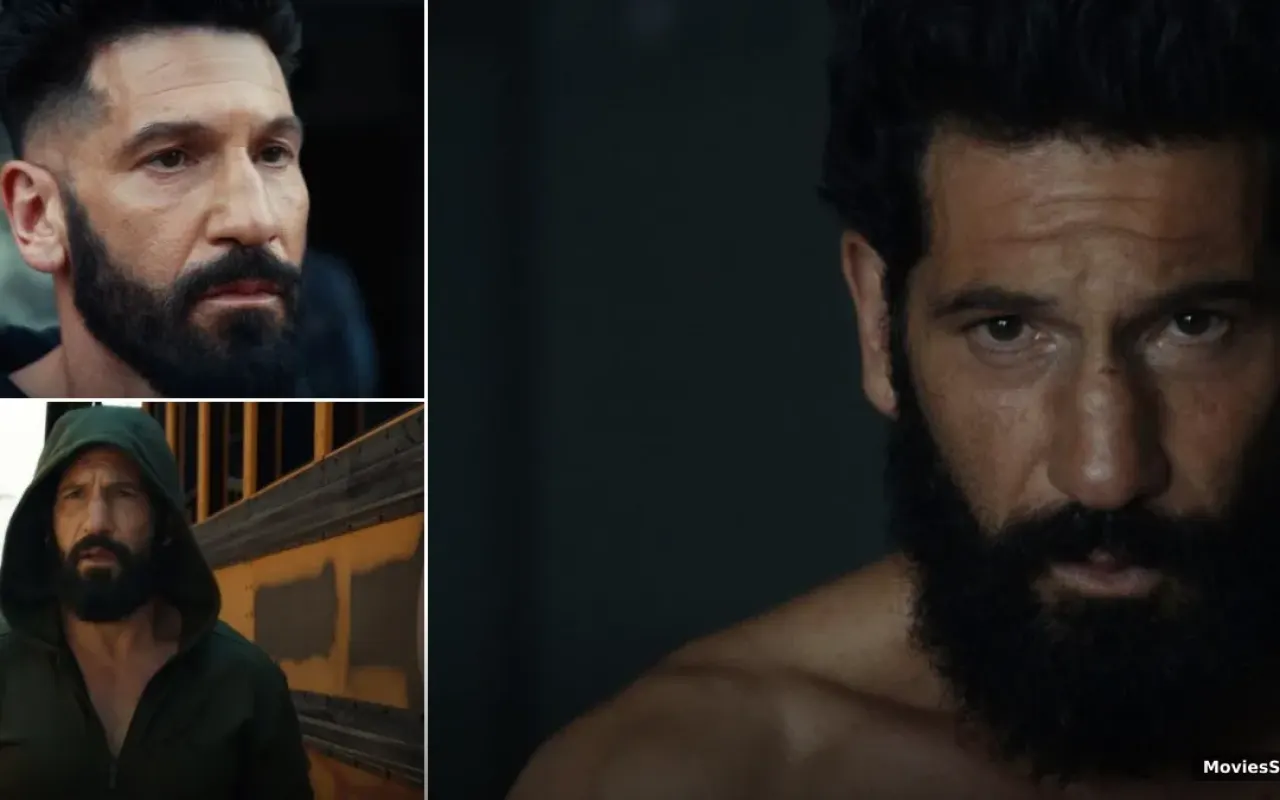
The wait for Jon Bernthal’s definitive return to the skull vest is over, and it’s arguably the most unhinged thing Marvel has ever put on Disney+. The Punisher: One Last Kill isn't just a 48-minute action flick; it’s a psychological reset for Frank Castle that bridges the gap between his Netflix roots and his high-stakes future in the Marvel Cinematic Universe. While the internet is currently losing its mind over a specific CGI blunder, the real story here is how this special sets the stage for a massive collision in Spider-Man: Brand New Day.
Reinaldo Marcus Green and Jon Bernthal have delivered a "Special Presentation" that feels less like a corporate product and more like a fever dream fueled by whiskey, PTSD, and a very specific brand of New York grit. If you’ve been wondering where Frank was during the street-level chaos of recent MCU entries, or why he’s suddenly playing protector to the next generation of heroes, we’ve got the receipts. Here is everything you need to know about the Punisher One Last Kill ending explained, the timeline fix, and the Ma Gnucci of it all.
Where Does 'One Last Kill' Fit in the MCU Timeline?
The biggest question circulating the group chat since the premiere is how this fits into the increasingly crowded street-level schedule. There has been significant debate regarding why Frank Castle was missing from the front lines of the Daredevil: Born Again Season 2 conflict, especially given his history with Matt Murdock.
The Punisher: One Last Kill takes place after the events of Daredevil: Born Again Season 1 and before Spider-Man: Brand New Day. While some fans debate its exact placement due to Frank Castle's absence in Born Again Season 2, the special serves as a bridge for the character's return to the big screen in July 2026.
To be more specific, the story begins with Frank in a self-imposed "cooldown phase" following his escape from Wilson Fisk’s prison in the Born Again Season 1 post-credits scene. While the Anti-Vigilante Task Force was busy cracking skulls in Hell’s Kitchen during the events of Born Again Season 2, Frank was essentially off the grid in Little Sicily, dealing with a psychological collapse. This special confirms that the Netflix series is indeed 100% canon, as Frank’s trauma is directly tied to the losses he suffered in those earlier seasons. We aren't just watching a reboot; we're watching a sequel to a decade of violence.
Ma Gnucci and the Ending Explained: What's Next for Frank Castle?
The arrival of Ma Gnucci in the Marvel Cinematic Universe marks a pivot toward the darker, more satirical roots of the character. Played with a terrifying, understated menace by Judith Light, this version of Ma Gnucci is a departure from the cartoonish villainy of the Garth Ennis "Welcome Back, Frank" run (specifically Punisher #4 from 2000). In the comics, she’s a grotesque figure who loses her limbs to a polar bear; in the MCU, she is the calculating matriarch of the Gnucci crime family, ruling Little Sicily with a velvet-gloved iron fist.
The Punisher One Last Kill ending explained hinges on a moment of uncharacteristic restraint. After a blood-soaked 28 minutes of pure action, Frank has Ma Gnucci cornered. However, instead of his usual "one batch, two batch" finality, he chooses to protect a group of innocent bystanders caught in the crossfire of the Gnucci family's collapse. This shift from "serial killer with a grudge" to "vigilante protector" is the crucial character arc needed for his Jon Bernthal MCU return in the upcoming Spider-Man film.
The final shot shows Frank leaving a "Trinket of Hope" on a grave—a small token that suggests he’s finally moving past the singular focus of his family’s murder. This sets him up as a mentor/protector figure for the mysterious character played by Sadie Sink in Spider-Man: Brand New Day. He isn't just killing for himself anymore; he's killing for the people the system has abandoned.
The Karen Page Connection: Hallucination or Reality?
One of the most debated scenes involves a brief, ethereal appearance by Karen Page. While some fans are convinced this is a secret cameo confirming her survival and continued involvement in Frank’s life, the visual cues—the lighting and Frank's own dissociative state—suggest it is a manifestation of his conscience. Frank is a man who talks to ghosts; whether it's his fallen Marine Raiders brothers or the woman who almost saved his soul, these "cameos" serve as a Frank Castle psychological profile rather than a standard MCU crossover.
The Psychology of Frank Castle: Understanding 'Anomie'
Director Reinaldo Marcus Green and Bernthal didn't just want to make a "shoot 'em up." They leaned heavily into the concept of Anomie—a sociological term describing the breakdown of social bonds between an individual and their community. For a veteran like Frank, the transition from the structured violence of the military to the chaotic "peace" of civilian life is where the real horror lies.
The suicide prevention scene, which has been praised by veterans for its raw honesty, was heavily influenced by real-world Marine Raiders and advisors like Nick Koumalatsos. Frank isn't just "sad"; he's experiencing a total erosion of purpose. This is why this version of the character feels "darker" than the Netflix era. In the Netflix show, he had a mission: revenge. In One Last Kill, the mission is over, and he’s left with the terrifying question: *Who am I when I'm not killing?*
- Dialogue vs. Action: The special clocks in at 48 minutes, with approximately 20 minutes dedicated to Frank’s internal monologue and psychological breakdown, and 28 minutes of sustained tactical combat.
- The "Anomie" Factor: The film portrays Little Sicily as a lawless dystopia, mirroring Frank’s internal state of "social instability."
- Veteran Authenticity: The use of specific Marine Raider terminology and tactical movements adds a layer of E-E-A-T (Expertise, Authoritativeness, Trustworthiness) that previous iterations lacked.
The CGI Blunder: Why Does the Building Jump Look Like a PS4 Game?
We have to talk about the elephant in the room: the building jump. About 35 minutes into the special, Frank leaps from a tenement rooftop to escape an explosion, and for roughly three seconds, the Marvel Special Presentation Punisher looks like a cutscene from a 2014 PlayStation 4 game. The lighting on the character model doesn't match the environment, and the physics are... questionable at best.
The technical reality: This is likely the result of the notorious "VFX crunch" currently hitting the industry. Sources close to the production suggest that the practical fire stunt used in the scene was so intense that it obscured too much of the frame, forcing the VFX team to replace Bernthal with a digital double at the eleventh hour. While Disney+ has a history of "patching" these errors (similar to the She-Hulk and Thor: Love and Thunder fixes), the "PS4 graphics" blunder has already become a viral meme. It’s a rare blemish on an otherwise visually stunning, grimy aesthetic that favors Reinaldo Marcus Green’s signature grounded style.
Kill Counts and the 'Hatebreed' Needle Drop
For the fans who track the "Punisher Kill Count," One Last Kill does not disappoint. Despite its shorter runtime, Frank’s efficiency is at an all-time high.
- Netflix Season 1 Average: ~6 kills per episode.
- One Last Kill Count: 42 confirmed kills.
Key Takeaways
- MCU Placement: Set firmly after Daredevil: Born Again S1 and acting as a direct lead-in to Spider-Man: Brand New Day.
- The Villain: Judith Light’s Ma Gnucci is a more grounded, terrifying version of the comic book character, representing the Gnucci crime family's grip on New York.
- Character Growth: Frank transitions from a revenge-driven serial killer to a protector, symbolized by the "Trinket of Hope."
- The "Anomie" Theme: The film explores veteran PTSD and the loss of social structure with help from actual Marine Raiders advisors.
- VFX Issues: The viral "PS4 graphics" jump was a result of a last-minute digital double replacement due to practical stunt complications.
The Verdict: Is Frank Castle Ready for Phase 6?
The Punisher: One Last Kill succeeds because it refuses to play by the standard Marvel rules. It’s violent, it’s depressing, and it’s deeply concerned with the broken psyche of its protagonist. By the time the credits roll, it’s clear that Jon Bernthal isn't just "back"—he’s evolved. The version of Frank Castle we’ll see in Spider-Man: Brand New Day won't be the man who just wanted to burn the world down; he'll be the man who realizes some things are actually worth saving.
Whether Disney "patches" the CGI jump or not, the impact of this special is undeniable. It has successfully moved the needle on the Punisher One Last Kill watch order, making it essential viewing for anyone trying to track the street-level evolution of Marvel Phase 6. Frank Castle is no longer just a ghost of the Netflix era; he is the dark heart of the new MCU.