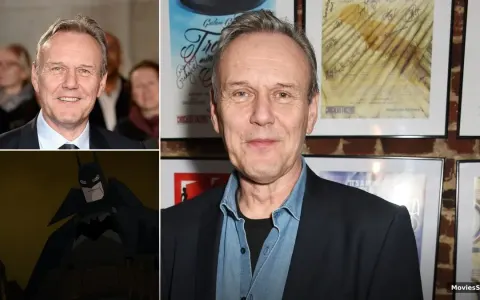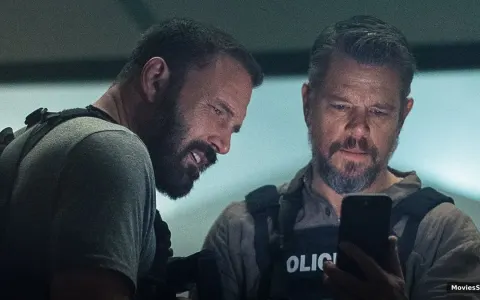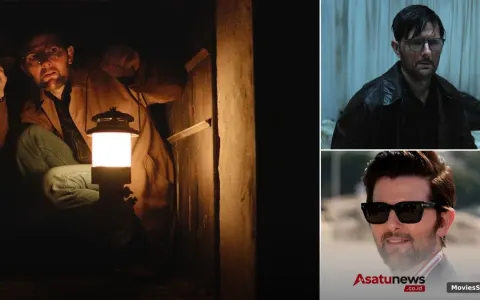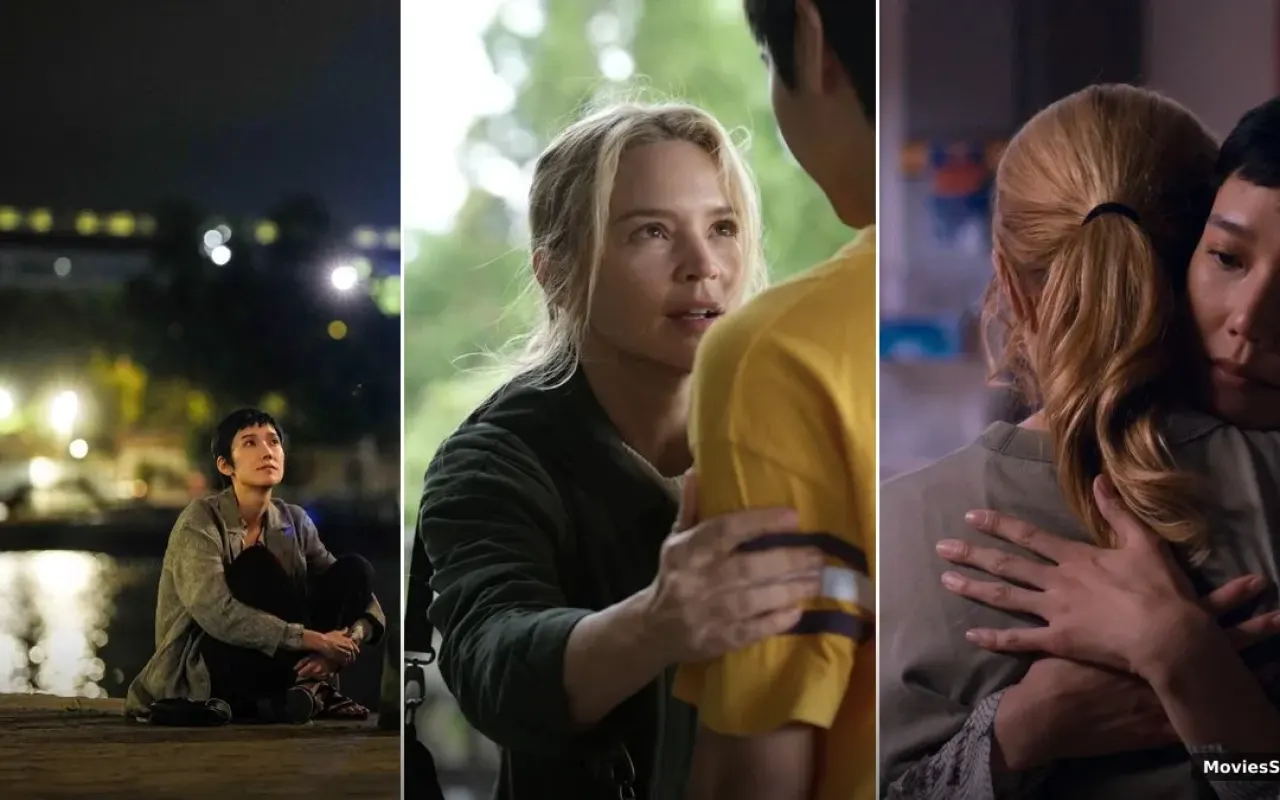
The lights came up at the Grand Théâtre Lumière, and for a moment, the silence was heavy enough to feel. Then, the 79th Cannes Film Festival witnessed something rare: an 11-minute standing ovation that wasn't just polite applause—it was an emotional release. People weren't just clapping; they were weeping. This All of a Sudden Ryusuke Hamaguchi review explores why a three-hour-plus meditation on terminal cancer and nursing home reform became the most talked-about film in the Official Competition Cannes lineup.
Hamaguchi, the director who gave us the Oscar-winning Drive My Car, has returned with a film that feels like a warm hug and a radical manifesto all at once. All of a Sudden (Soudain) is a 2026 drama that follows Marie-Lou (Virginie Efira), a French nursing home manager, and Mari (Tao Okamoto), a terminally ill Japanese theater director, as they form a deep philosophical bond in Paris. The film explores themes of mortality, the 'Humanitude' care method, and the impact of capitalism on human connection.
The 11-Minute Ovation: Why the Soudain Movie Cannes 2026 Premiere Mattered
In the world of high-stakes cinema, an 11-minute standing ovation is the ultimate "we're back" signal. After the cryptic, cold brilliance of Evil Does Not Exist, Hamaguchi has pivoted back to the deeply human, conversational style that made him a global name. Standing between his two leads—the luminous Virginie Efira and a hauntingly precise Tao Okamoto—Hamaguchi looked visibly moved as the "bravo" screams echoed through the hall.
At 196 minutes, Soudain is the longest film in the 2026 competition, yet the audience stayed glued to their seats. This isn't "slow cinema" for the sake of being difficult; it’s a film that demands you inhabit its time. While other directors might trim the fat, Hamaguchi lets the silence breathe. The Cannes 2026 jury grid rankings currently have the film sitting in a comfortable second place with a staggering 3.4 score, making it a frontrunner for the Palme d’Or and cementing Hamaguchi’s status as a director who can make three hours feel like twenty minutes.
Plot Summary: A Serendipitous Connection in Paris
The story kicks off when Marie-Lou (Efira), the manager of a Parisian nursing home called the Garden of Freedom, meets Mari (Okamoto) in a park. The catalyst for their meeting is Tomoki (Kodai Kurosaki), an autistic, non-verbal young man who has strayed from his father, the actor Gorô Kiyomiya (Kyōzō Nagatsuka). Marie-Lou, who is fluent in Japanese—a skill she picked up during her earlier studies in social anthropology—helps reunite them, sparking an immediate, electric connection with Mari.
Mari is a theater director in town for a play, but she’s also living on borrowed time. Her breast cancer has metastasized, and doctors have told her that her body will "suddenly" decline, leaving her with only three months to live. Instead of spiraling into melodrama, the film treats this terminal cancer philosophy with a refreshing, almost intellectual curiosity. The two women begin a friendship that feels like a lifelong bond compressed into ninety days. They are intellectual mirrors: Marie-Lou studied anthropology in Japan, while Mari studied philosophy at the Sorbonne. They are both "outsiders" to their own cultures, finding a home in each other's presence.
What is Humanitude? The Science Behind the All of a Sudden Ryusuke Hamaguchi Review
One of the most fascinating aspects of the film—and something other critics have glossed over—is the Humanitude care method movie element. Marie-Lou isn't just a manager; she’s a revolutionary. She runs her facility based on the real-world Gineste-Marescotti method, better known as Humanitude. This isn't a fictional device; it’s a French care philosophy developed by Yves Gineste and Rosette Marescotti that prioritizes the humanity of patients with dementia.
The 4 Pillars of Humanitude in Soudain
- Gaze: Establishing eye-to-eye contact at the same level to affirm the patient’s existence.
- Speech: Constant, gentle verbal communication, even if the patient is non-verbal.
- Touch: Using soft, palm-to-palm contact rather than the "grasping" touch common in traditional nursing.
- Verticality: Encouraging patients to stand and walk to maintain their sense of dignity and physical autonomy.
The conflict in the film arises when Marie-Lou’s "Humanitude" approach clashes with the neoliberal demands of her superiors. Head nurse Sophie (Marie Bunuel) views these methods as a drain on productivity, preferring the "wash them like vegetables" efficiency of traditional care. The film brilliantly portrays the tension between a system that treats the elderly as liabilities and a method that treats them as living souls. When Marie-Lou demands a 4% pay rise for her staff to compensate for the extra time this care takes, the "inside vs. outside" battle of institutional logic becomes the film's moral heartbeat.
Philosophy and Capitalism: The All-Night Dialogue
If you loved the car conversations in Drive My Car, you’ll be obsessed with the "whiteboard scene" in Soudain. In a sequence that might feel didactic to some but is pure catnip for others, Mari literally draws out a capitalism and democracy dialogue on a board. She argues that capitalism has a symbiotic, yet destructive, relationship with nature and democracy.
The dialogue touches on why people are having fewer children (long working hours) but living longer (medical advances), creating a "symbiotic capitalism" that is currently at a breaking point. Mari and Marie-Lou also reference the iconic Italian psychiatrist Franco Basaglia. His quote, “Da vicino nessuno è normale” (nobody is normal up close), serves as the title for Mari’s play within the film. Basaglia was instrumental in the dismantling of psychiatric hospitals in Italy, and the film uses his philosophy to ask: why do we hide our "broken" people away? Why is basic tenderness toward the elderly seen as "cultish" or "excessive" by society?
Technical Mastery: Alan Guichaoua and Samuel Andreyev
Visually, the film is a departure from Hamaguchi’s previous Japanese landscapes. Cinematographer Alan Guichaoua uses the natural, soft light of Paris to create a sense of intimacy that feels almost voyeuristic. There are no flashy camera moves; the camera sits still, allowing the actors to own the space. This is complemented by Samuel Andreyev’s score, which is spare and haunting, using silence as effectively as sound.
The bilingual script (French and Japanese) is a technical marvel. Virginie Efira’s performance is particularly impressive; she learned Japanese phonetically for the role, and the way she switches between languages feels like a bridge being built in real-time. This co-production between France, Japan, Germany, and Belgium feels truly international, avoiding the "tourist gaze" often found when foreign directors film in Paris.
From Page to Screen: The Makiko Miyano Letters
For those looking for the "lore" behind the script, All of a Sudden is loosely based on the non-fiction book You and I – The Illness Suddenly Get Worse (also known as When Life Suddenly Takes a Turn). The book is a collection of 20 letters between philosopher Makiko Miyano and anthropologist Maho Isono.
Hamaguchi and co-writer Lea Le Dimna took the raw, intellectual honesty of those letters and transformed them into the relationship between Marie-Lou and Mari. While the book is a direct exchange of ideas on mortality, the film adds the layer of the nursing home and the character of Tomoki. Tomoki, the autistic son, serves as a silent observer who often breaks the "intellectual" tension of the film, reminding the characters (and the audience) that connection often exists beyond words.
Humanitude vs. Traditional Nursing Care: The Film’s Provocation
The film’s most controversial scene—a "foot massage orgy" in the Garden of Freedom—is already sparking debate. To an outsider, the sight of staff and elderly residents massaging each other’s feet in a sun-drenched garden looks bizarre, almost like a cult ritual. But as the Tao Okamoto Hamaguchi film argues, that discomfort says more about us than them. We have been so conditioned by "efficient" care that genuine, physical tenderness toward the elderly feels like a transgression. It’s a bold, optimistic stance that challenges the audience to rethink how we treat the "end" of life.
Key Takeaways: Why You Must See All of a Sudden
- A Career Best: This is Hamaguchi’s most accessible yet philosophically dense work, combining the intimacy of Happy Hour with the polish of Drive My Car.
- Virginie Efira's Powerhouse Performance: Efira proves she is one of the best working actors today, handling a bilingual role with incredible grace.
- Real-World Impact: The film brings the Humanitude method into the spotlight, sparking necessary conversations about elder care.
- Philosophical Depth: From Marxism to Basaglia, the film is a feast for the mind.
- Neon US Distribution: Neon has already snapped up the rights, meaning a major awards push is likely for the 2026 season.
Conclusion: The Future of the All of a Sudden Ryusuke Hamaguchi Review
Is All of a Sudden the next Drive My Car? In many ways, it’s even more ambitious. While the 196-minute runtime and the subtitled, bilingual dialogue might seem daunting, the film is a rewarding experience for anyone willing to engage with it. It’s a 3-hour Japanese drama that feels like a heartbeat—sometimes fast and panicked, sometimes slow and steady, but always alive.
As for the Hamaguchi 2026 Oscar chances, the buzz is already deafening. With Neon US distribution behind it, expect this film to be a major player in the Best International Feature and potentially Best Picture categories. While a specific US/UK release date is still TBA, the film is expected to hit theaters in late 2026. For now, Soudain stands as a towering achievement at Cannes—a film that looks death in the eye and chooses to talk, touch, and live until the very last frame.