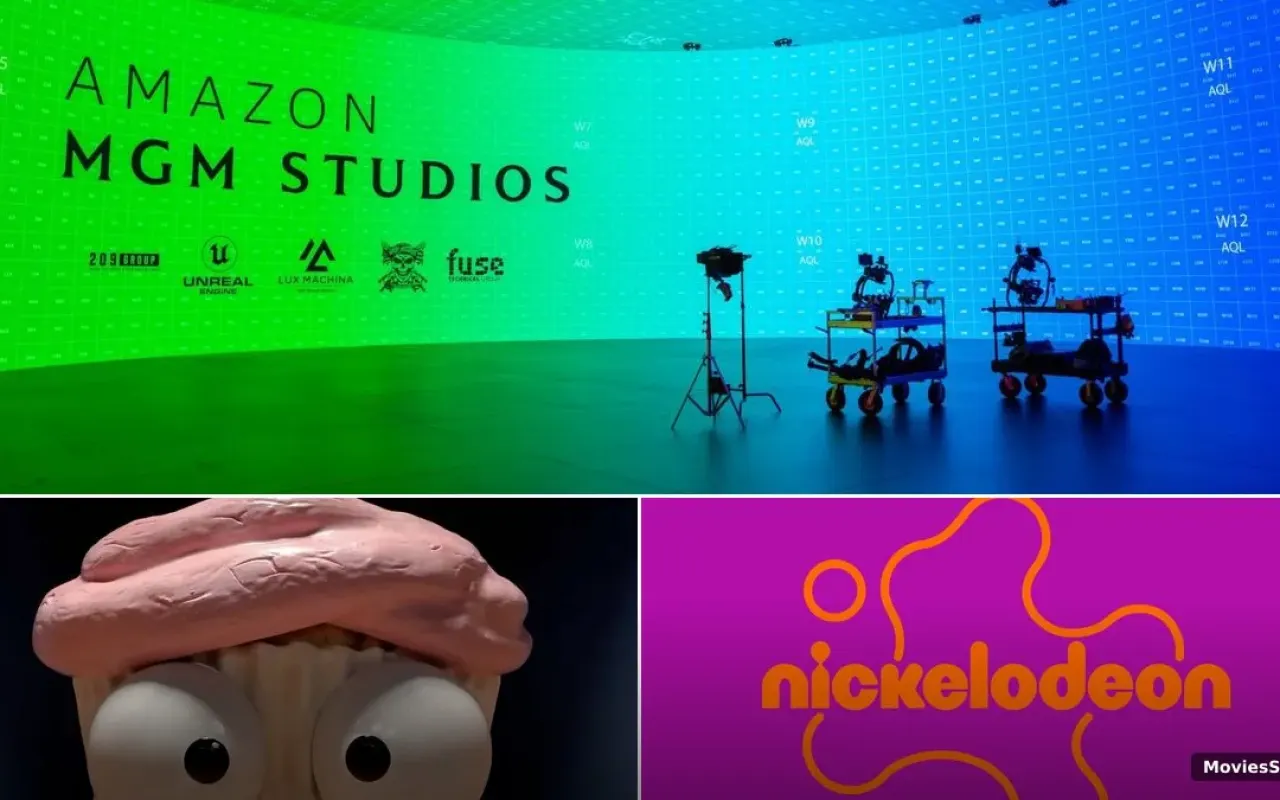
The "AI on the Lot" conference was supposed to be Amazon MGM Studios’ big "we’ve arrived" moment in the generative AI space. Instead, it triggered a 48-hour industry implosion that saw a beloved Emmy-winning director flee the project, a viral IP creator call for a total boycott, and the Amazon AI animation backlash reach a fever pitch. Within two days, the narrative shifted from "the future of storytelling" to a cautionary tale about what happens when Big Tech tries to automate the "soul" of the creative community.
At the center of the storm is the Amazon GenAI Creators Fund, a new initiative designed to bankroll projects that use generative AI to "streamline" production. But as the animation pipeline pushes back against machine learning encroachment, Amazon’s attempt to bridge the gap between AWS infrastructure and cinematic storytelling is facing a massive identity crisis. Real talk: the industry isn't just skeptical; it’s terrified.
The 48-Hour Fallout: A Timeline of the Amazon AI Backlash
To understand how quickly this went south, you have to look at the timeline. What started as a high-tech press release ended with one of the industry's most respected voices issuing a public apology. Here is how the Amazon AI animation backlash unfolded in real-time:
- Hour 0: The Announcement. Amazon MGM Studios and AWS unveil the GenAI Creators’ Fund. They greenlight three projects: Cupcake & Friends (BuzzFeed Studios), Love, Diana Music Hunters (pocket.watch), and Punky Duck (Jorge R. Gutierrez).
- Hour 4: The IP Explosion. Loryn Brantz, the original creator of "The Good Advice Cupcake," takes to social media. She reveals she was never consulted about the AI series and describes the move as an "assault on artists."
- Hour 12: The Peer Pressure. Legendary director Guillermo del Toro begins a series of subtweets, championing "human-made" animation and Mexican stop-motion. The industry interprets this as a direct rebuke of his former collaborator, Gutierrez.
- Hour 24: The Backlash Peaks. Social media sentiment turns toxic. Gutierrez, initially "cautiously optimistic," faces intense criticism and even death threats from those who feel he has betrayed the creative community.
- Hour 48: The Exit. Jorge Gutierrez officially drops out of the program. Jorge Gutierrez Punky Duck is effectively dead, and the director issues a heartfelt apology, promising to "do better."
Why Jorge Gutierrez Scrapped "Punky Duck"
The exit of Jorge Gutierrez is the biggest blow to Amazon’s AI ambitions. We’re talking about the visionary behind The Book of Life and Maya and the Three—a creator whose brand is built on vibrant, handmade, culturally rich aesthetics. His initial involvement was framed as an "experiment" to see if digital creators could drive the tech rather than being driven by it. He famously compared the process to "having sex and then they hand you the baby," a quote that aged like milk once the internet got a hold of it.
The turning point wasn't just the public outcry; it was the "animation gods" weighing in. When Guillermo del Toro—who produced Gutierrez’s breakout film—started posting about how animation is "made by humans for humans," the writing was on the wall. Gutierrez realized that no amount of production workflow efficiency was worth losing his standing in the community. By dropping the Jorge Gutierrez Punky Duck project, he chose his peers over Amazon’s deep pockets, stating simply: "Actions speak louder than words."
Loryn Brantz vs. BuzzFeed: The Fight Over "The Good Advice Cupcake"
While Gutierrez left on his own terms, Loryn Brantz is fighting a different kind of battle. Her character, Cuppy (The Good Advice Cupcake), is the star of the Loryn Brantz BuzzFeed AI project, Cupcake & Friends. The catch? Brantz says BuzzFeed took her character—which she created while a full-time employee—and handed it to an AI platform without her consent.
The legal reality here is cold: because Brantz created the character under a work-for-hire contract, BuzzFeed likely holds the intellectual property rights. However, the ethical optics are disastrous. Brantz described the news as feeling like her "intestines were being pulled out," calling the AI version a "soulless AI puppet."
BuzzFeed’s defense is that they are merely "embracing technology" like Disney did with Xerox machines in the 1960s. But Brantz isn't buying it. She points out that Xerox machines just transferred lines; they didn't replace the human creativity required for "inbetweening" or character acting. This dispute highlights a massive content gap in the current AI animation ethics guidelines: just because a studio can legally use AI to revive an artist's character doesn't mean they should.
Inside Project Nara: What is Amazon's AI Production Platform?
Amidst the human drama, the tech itself is actually quite sophisticated. To understand the Amazon MGM AI strategy 2026, you have to look at the engine under the hood.
What is Amazon's Project Nara? Project Nara is Amazon MGM Studios' purpose-built AI production platform, built on AWS, designed to integrate generative AI tools with traditional animation software like Blender and Maya to streamline cinematic storytelling workflows. It serves as a collaborative workspace where creative teams can generate video, edit in real-time, and maintain character consistency across shots.
Unlike basic text-to-video tools, Project Nara Amazon MGM is built for professional production workflows. Here’s how it compares to traditional methods:
| Feature | Traditional Pipeline (Maya/Blender) | Project Nara (AI-Assisted) |
|---|---|---|
| Asset Creation | Manual modeling and rigging (weeks/months) | AI-generated base models with manual refinement |
| Inbetweening | Human artists or software interpolation | Machine learning models (like Kling AI) |
| Consistency | Manual tracking by lead animators | AI agents tracking "creative context" across shots |
| Rendering | Heavy local or farm rendering | Seamless AWS infrastructure cloud rendering |
The platform also utilizes third-party models like Kling AI and Luma AI to handle specific video generation tasks. The goal is to solve the "flicker" problem and the lack of cross-shot continuity that usually plagues AI video. However, the environmental impact of running these models on AWS infrastructure is a growing concern, with generative AI tasks requiring significantly more energy than traditional rendering.
The Economics of "Disruption": 90% Cost Savings?
Why is Amazon pushing so hard despite the Amazon AI animation backlash? Follow the money. Industry titans like Jeffrey Katzenberg have predicted that AI could slash animation costs by 90%. For a studio, the math is simple: if you can produce a show like Invincible with a team of 10 instead of 100, the profit margins skyrocket.
Currently, Amazon AI Studios is a lean operation, but the goal is to "democratize" the process. They want to lower the barrier to entry so digital creators without $20 million budgets can produce "cinematic" content. But the creative community sees this as a race to the bottom—a copyright violation waiting to happen where AI models are trained on the very artists they are designed to replace.
The Future of AI in Animation: Lessons from the Crisis
Amazon isn't the only one playing this game. Netflix recently acquired InterPositive, an AI tech firm, and Sony is looking at similar tools. Even Ben Affleck has been linked to AI-assisted production through his company, Artists Equity. However, Amazon’s mistake was being too loud, too fast.
The artist rights in AI era are currently being negotiated in rooms where creators often aren't invited. SAG-AFTRA and other unions are watching these developments closely, as the 2026-2027 animation slate will likely be the first to feature significant "AI-assisted" content. The question is whether audiences will accept it. If the Amazon AI animation backlash is any indication, the "uncanny valley" of AI storytelling isn't just visual—it's ethical.
Key Takeaways
- Jorge Gutierrez exited the Punky Duck project within 48 hours of the announcement due to industry pressure and ethical concerns.
- Loryn Brantz is leading a public boycott against BuzzFeed for using her character in an AI series without her involvement.
- Project Nara is a sophisticated AWS-based platform that integrates AI into traditional animation software like Maya and Blender.
- The Amazon GenAI Creators Fund aims to drastically reduce production costs, following industry trends toward 90% cost-saving targets.
- The controversy has sparked a massive debate over intellectual property and the role of human creativity in the age of generative AI.
Look, the tech isn't going away. Project Nara and its counterparts are too efficient for studios to ignore. But the Amazon AI animation backlash proves that you can't just "disrupt" an industry built on passion and personal style without a massive fight. If Amazon wants to win over the creative community, they need to stop treating artists like legacy code that needs an update. Until then, the "animation gods" will likely keep their distance.