After five seasons of exploding heads, corporate satire, and enough bodily fluids to fill a Seven Gables swimming pool, the The Boys series finale explained one thing clearly: no one gets out clean. The finale, titled "Blood and Bone," didn't just land the plane; it dismantled the entire hangar. We watched the most powerful man on earth beg for his life, a "canary" finally find his teeth, and a world-ending virus get traded for a crowbar. It was messy, polarized, and exactly the kind of chaos Eric Kripke promised us back in 2019.
If you’re still processing the sight of a de-powered Homelander offering to "eat shit" to stay alive, you aren't alone. The The Boys Season 5 ending was a masterclass in stripping away the "super" to reveal the pathetic humans underneath. From the White House massacre to the quiet electronics store in the suburbs, here is the definitive breakdown of how the Vought era ended and what the future holds for the VCU.
The Boys Season 5 Finale Recap: 'Blood and Bone'
The finale kicks off with a chronological descent into madness. The White House battle wasn't the heroic standoff we usually see in the MCU; it was a surgical, terrifying infiltration. Billy Butcher, fueled by a terminal dose of Compound V and the Kessler-hallucination in his head, led the charge with a single-minded goal: total Supe extinction.
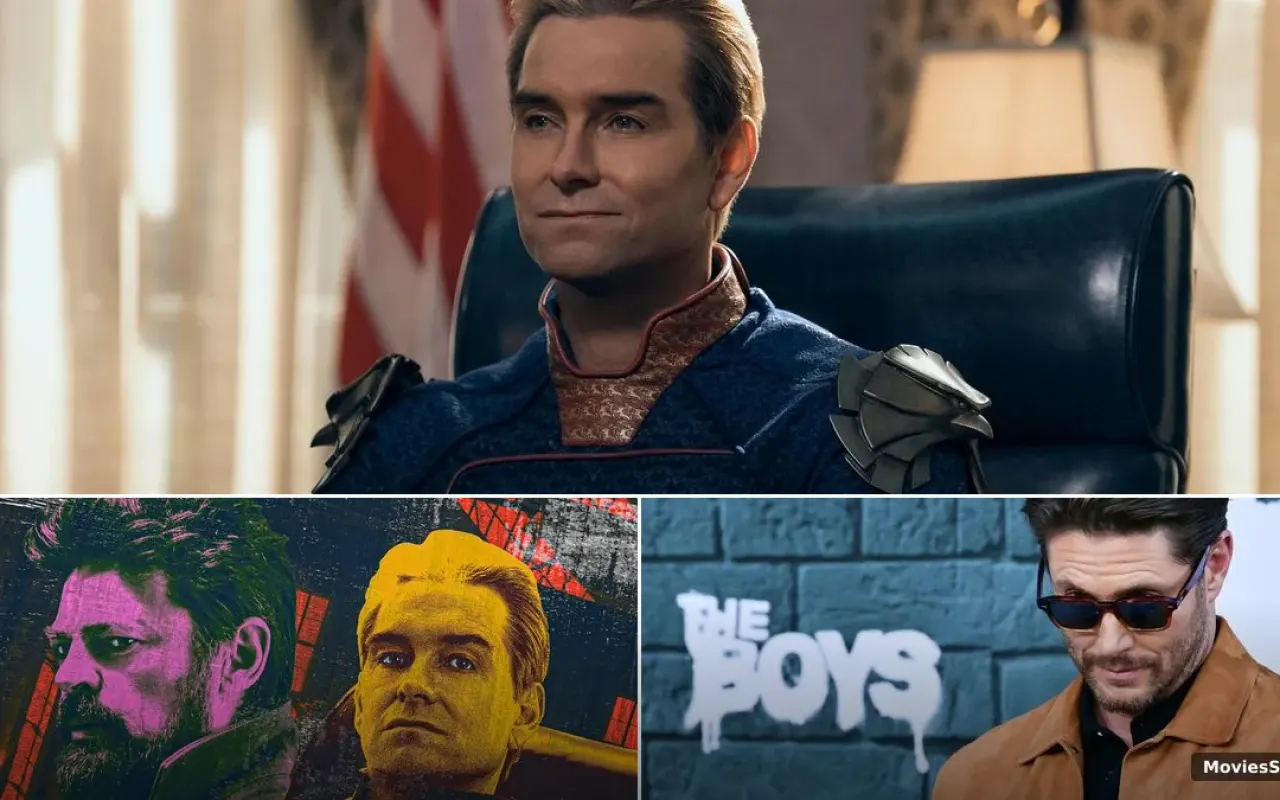
The cinematography of the Oval Office fight scene was intentionally claustrophobic. Instead of wide, sweeping shots of heroism, the camera stayed tight on the sweat and the terror. We saw Dakota Bob Singer—a character whose name is a direct nod to Supernatural’s Bobby Singer—trying to maintain the "restoration" of the presidency while the world’s most dangerous autocrat had a televised breakdown. Homelander, played with terrifying vulnerability by Antony Starr, finally realized that being a "god" means nothing when the people you’re ruling stop believing in the myth.
The turning point came when Kimiko used the de-powering energy blast—a trick Eric Kripke kept in his pocket since Season 3—to strip Homelander of his abilities. For a few minutes, the Homelander vs Butcher power levels finale shifted entirely. Without his laser eyes and flight, Homelander was just a middle-aged man in a padded suit, begging for mercy in a way that mirrored the pathetic ends of real-world dictators.
Who Died in The Boys Series Finale? (Death Tracker)
The body count for the finale was astronomical, but the "Big Five" deaths carried the most emotional weight. Here is the breakdown of who didn't make it to the credits:
- Homelander: Stripped of his powers by Kimiko and killed by Billy Butcher with a crowbar in the Oval Office.
- Billy Butcher: Killed by Hughie Campbell using the Supe virus to prevent a global genocide.
- The Deep: Torn apart by sea life after Starlight knocked him into the Potomac.
- Oh Father: Head exploded by Mother's Milk during the White House breach.
- Frenchie: Died in the penultimate episode, his death serving as the catalyst for Kimiko’s final stand.
The Homelander death scene was particularly brutal because it lacked dignity. There was no epic monologue. Butcher simply used the same tool he’d carried since the pilot to finish the job. It was a "full circle" moment that emphasized that despite all the V-One and Compound V in the world, the story was always about two men who hated each other too much to live.
Billy Butcher Death Explained: Why Hughie Had to Do It
One of the most frequent questions from fans is: Does Billy Butcher die in the end of The Boys? The answer is yes, but the "why" is more important than the "how." For five seasons, Butcher referred to Hughie Campbell as his "canary"—the bird you take into the coal mine to see if the air is still breathable. If the canary dies, you’re too far gone.
In the finale, Butcher was ready to release a mutated Supe virus that would kill every person with V in their blood, including Kimiko, Starlight, and Ryan Butcher. Hughie, using his "inherent goodness" as a weapon, realized that Butcher had become the very thing he hated. When Hughie shot Butcher, it wasn't an act of malice; it was an act of mercy for a man who had already lost his soul. This Billy Butcher death explained the show's core thesis: you can't defeat a monster by becoming a bigger one.
V-One vs Compound V: The Science of the End
A major content gap in the discourse is the efficacy of V-One versus traditional Compound V. In the final episodes, it was revealed that V-One (the refined, "pure" version Butcher was using) provided a more stable power set but accelerated the tumor growth in his brain. While traditional Compound V creates unpredictable mutations, V-One was designed for military precision—making Butcher a literal weapon of war before his heart finally stopped.
Show vs. Comics: Why Eric Kripke Changed the Ending
If you’re looking for The Boys series finale vs comics differences, the show opted for a significantly more optimistic route. In the Garth Ennis comics, the ending is a nihilistic bloodbath. Comic-Butcher actually succeeds in murdering the rest of the Boys—Mother's Milk, Frenchie, and Kimiko—before Hughie is forced to kill him.
Kripke felt that "all respect to Garth," that ending was too "unsatisfying" for a TV audience that had spent years rooting for these characters. Instead of a massacre, we got a "Where Are They Now" montage that felt earned. Hughie and Annie (Starlight) actually survived, eventually opening an electronics store and having a child. The 'Robin' name significance for their baby is a gut-punch for Day 1 fans—naming their daughter after the girlfriend Hughie lost in the very first episode brings his journey from trauma to healing to a close.
The Fate of the Gen V Characters
While Marie, Jordan, and Emma only appeared in brief cameos during the final season, their story isn't over. Kripke has hinted that while The Boys is finished, the "Gen V kids" still have "gas in the tank." The finale left them in a precarious spot—with Vought International toppled, the remaining Supes globally are now essentially stateless actors. Whether they become the new heroes or the new targets will likely be the focus of the Gen V continuation.
The Future of the Vought Cinematic Universe (VCU)
Is there a Season 6 of The Boys? No. Kripke has been firm that five seasons was the "five-act structure" he always envisioned. However, the Vought Rising prequel is already in pre-production for a 2027 release. This series will take us back to the 1950s, starring Jensen Ackles as Soldier Boy and exploring the origins of Vought alongside a young Stormfront (then known as Clara).
The Vought Rising cast rumors suggest we might see younger versions of Stan Edgar and perhaps the early experiments that led to the creation of the Seven. Beyond that, The Boys: Mexico is still in development, proving that while the main story has ended, the world-building is just getting started.
The Political Fallout of Dakota Bob
From a political science perspective, the restoration of Dakota Bob Singer to the presidency represents a return to "status quo" neoliberalism after the fascist fever dream of the Homelander era. However, the show leaves us with a warning: the Supe virus might be contained for now, but the blueprints for creating Supes still exist. The world is "toppled," but not necessarily fixed.
Key Takeaways from The Boys Finale
- Homelander's death was pathetic by design, proving that autocrats are nothing without their perceived power.
- Hughie Campbell fulfilled his role as the "canary," stopping Butcher's global genocide at the cost of his mentor's life.
- The 'Robin' baby name serves as the ultimate "full circle" moment for the series.
- Soldier Boy will return in the Vought Rising prequel, set in the 1950s.
- The Supe virus was used as a narrative tool to force a moral choice, rather than just a plot device to kill villains.
The The Boys series finale explained that "happily ever after" doesn't exist in a world built on Compound V, but "peacefully for now" is a win. As we look toward 2027 and the arrival of Vought Rising, the legacy of the show remains its uncanny ability to hold a "fun-house mirror" up to our own world. The plane has landed, the wreckage is smoldering, and for once, the good guys—or at least, the less-bad guys—are the ones left standing.