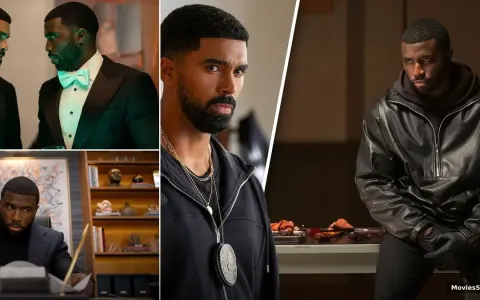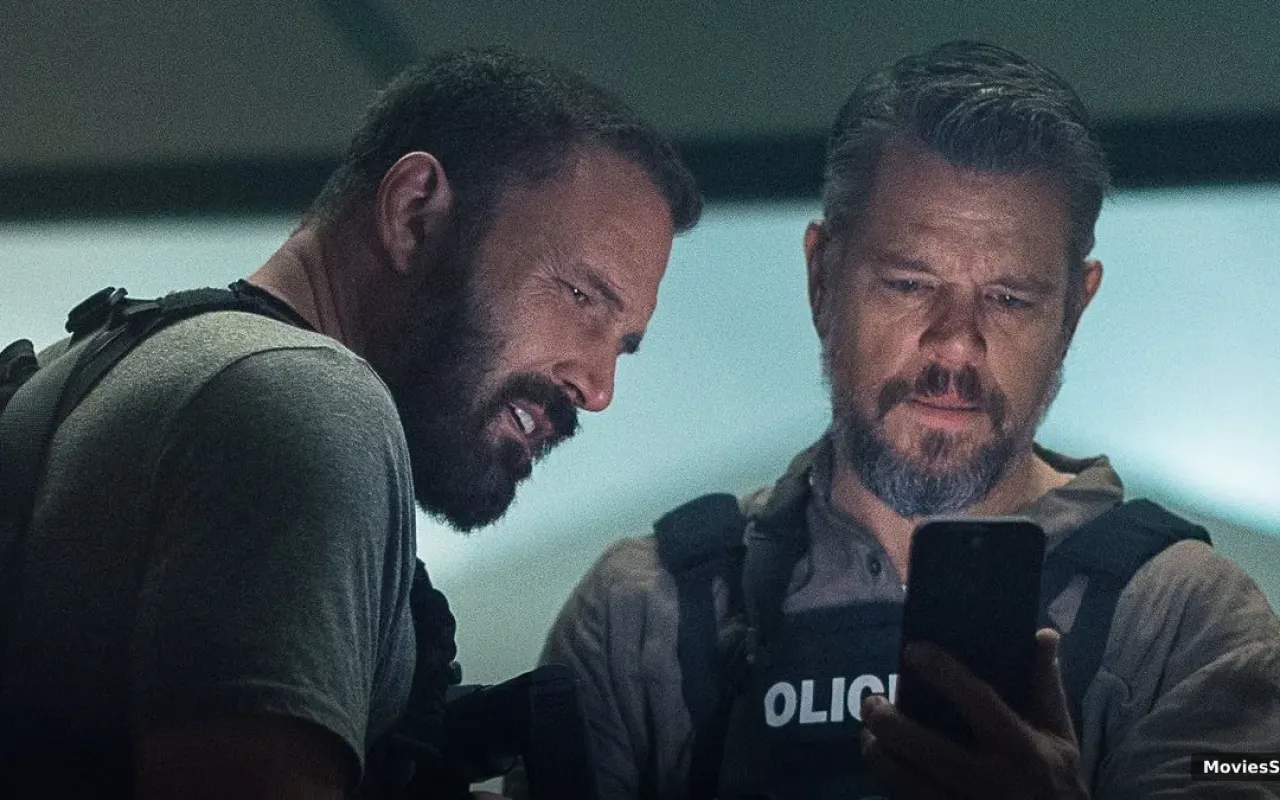
The "inspired by true events" tag is usually a filmmaker’s best friend—it adds a layer of grit and "realness" that marketing teams dream of. But for Ben Affleck and Matt Damon, that same tag has sparked a massive legal headache. The Rip lawsuit, filed in the U.S. District Court for the Southern District of Florida, alleges that the duo’s latest Netflix thriller didn't just take inspiration from a real-life bust; it actively smeared the reputations of the officers who led it. When your "fictional" characters are being asked by real-world prosecutors how many buckets of cash they pocketed, the line between art and defamation gets incredibly thin.
The Legal Battle: Why Miami-Dade Officers are Suing Artists Equity
Miami-Dade officers Jason Smith and Jonathan Santana are suing Ben Affleck, Matt Damon, and their production company Artists Equity for defamation. The lawsuit alleges that the Netflix film 'The Rip' falsely portrays the officers involved in a real-life 2016 $22 million cash seizure as corrupt, 'dirty,' and involved in criminal activities like theft and murder.
The plaintiffs aren't just random beat cops; they were the lead investigators in one of the most famous narcotics cases in Florida history. Filed on May 9, 2026, the complaint (Case No. 1:26-cv-21843) names Artists Equity and Falco Productions as defendants. While the film uses fictional names like Lieutenant Dane Dumars and Detective Sergeant J.D. Byrne, the lawsuit argues that the "unique, non-generic details" make it impossible for the public not to associate the characters with Smith and Santana.
The fallout has been immediate. Since the movie dropped in January, Santana—now a deputy for the Miami-Dade Sheriff's Office—claims he’s been bombarded with "verbal jabs" from colleagues and even family members. The central question of the lawsuit is whether a movie can claim to be "inspired" by a true story while simultaneously inventing a narrative of intentional infliction of emotional distress and criminal conspiracy for the people who actually lived it.
Fact vs. Fiction: The 2016 Miami Lakes Raid vs. 'The Rip'
To understand why this case is moving forward, you have to look at the receipts. In June 2016, the Miami Lakes narcotics investigation culminated in a raid that looked like something out of a movie—which is exactly the problem. Here is how the reality compares to the Netflix version:
- The Cash: In the real 2016 raid, officers found $21,970,411 hidden behind a false wall. In the movie, the amount is nearly identical, serving as the central plot device.
- The Buckets: This is the smoking gun for the plaintiffs. The real-life seizure famously involved dozens of orange buckets (Home Depot style) filled with cash. The Rip recreates this visual down to the specific shade of orange and the way they were stacked.
- The Location: The real bust happened in a quiet Miami Lakes home. The movie mirrors the Miami setting and the specific mechanics of how the money was concealed behind drywall.
- The "Dirty" Twist: This is where the paths diverge. In reality, the money was logged, the suspects were arrested, and Smith and Santana were celebrated. In The Rip, the characters played by Damon and Affleck discuss stealing the money, coordinate with cartel members, and eventually murder a DEA agent to cover their tracks.
The The Rip movie accuracy report would essentially be a 1:1 match on the aesthetics and a 0:100 match on the ethics. By using such specific "identifiers" like the orange buckets, the lawsuit argues the filmmakers stripped away their "fictional" protection. You can't use someone's specific life achievements as a backdrop and then pivot to calling them a murderer for "entertainment value."
What is 'Defamation by Implication'? Legal Experts Weigh In
This case is a textbook example of defamation by implication. Usually, to win a defamation suit, you have to prove the defendant said something literally false about you. But here, the names are changed. So, how do they sue?
Legal experts suggest that when a filmmaker uses "highly specific and unique" facts from a real event, they create a bridge in the viewer's mind. If the viewer reasonably believes the movie is telling the "real story" of Jason Smith and Jonathan Santana, then every "dirty" action the fictional characters take is attributed to the real men. It’s not about what is said; it’s about what is implied.
The defense from Artists Equity will likely lean on the standard "any resemblance to actual persons is purely coincidental" disclaimer. However, the plaintiffs have a powerful counter: a cease and desist letter sent in December 2025. They warned the producers before the movie came out that the trailer was already damaging their reputations. The fact that the movie was released anyway could open the door for punitive damages, as it suggests a "reckless disregard" for the truth.
The Hialeah Controversy: Mayor Bryan Calvo's Criticism
It’s not just the police who are pressed. Mayor Bryan Calvo of Hialeah has publicly slammed the film, calling it a "slap in the face" to the community. While the real-life events took place in Miami Lakes, the movie portrays Hialeah as a lawless wasteland controlled by cartels and corrupt cops.
Calvo and the city’s chief of police argue that the film’s portrayal of the area is not just inaccurate—it’s dangerous. This adds another layer to the Artists Equity legal trouble. When an entire municipality is vocalizing that your "creative liberties" are damaging their local economy and reputation, the "it’s just a movie" defense starts to feel a bit flimsy. This local backlash has contributed to a massive Rotten Tomatoes discrepancy: while critics praised the film's "gritty realism," the audience score from Florida residents is significantly lower, citing "offensive inaccuracies."
The Apology and the "Consultant" Snub
One of the most wild details in the filing involves a "consultant" who wasn't actually there. The lawsuit claims that Joe Carnahan and the production team hired a Miami-Dade officer to consult on the film—but it wasn't Smith or Santana. In fact, the plaintiffs allege the consultant wasn't even involved in the 2016 raid.
The drama peaked when that same consultant allegedly contacted the plaintiffs after the film's release to apologize on behalf of the director. According to the complaint, the consultant offered them "consulting opportunities on a future project" as a peace offering. Smith and Santana weren't buying it. They argue that if the producers wanted accuracy, they should have paid the actual officers involved, rather than paying a third party to help them "fictionalize" their lives into a crime spree.
What’s Next for Artists Equity?
This is the first major legal hurdle for Artists Equity, the company Affleck and Damon launched with RedBird Capital to give creators more "equitable" stakes in their work. The irony is that the company was founded on the idea of fairness, yet they are now accused of exploiting the life stories of civil servants for profit.
Industry insiders are keeping a close eye on the Artists Equity legal defense strategy. Most production companies carry "Errors and Omissions" (E&O) insurance specifically for defamation claims. However, if the court finds that they ignored the December 2025 cease-and-desist letter with "actual malice," the insurance might not cover the full extent of the compensatory damages.
Key Takeaways: The Rip Lawsuit
- The Plaintiffs: Jason Smith and Jonathan Santana, the lead officers from the 2016 $22M "orange bucket" seizure.
- The Defendants: Ben Affleck, Matt Damon, Artists Equity, and Falco Productions.
- The Core Claim: Defamation by implication—using real-life details to falsely portray real people as corrupt criminals.
- The Smoking Gun: The use of specific "orange buckets" and the exact dollar amount from the 2016 raid.
- The Timeline: A cease-and-desist was sent in December 2025; the lawsuit was filed in May 2026.
- The Demand: Unspecified damages, a public retraction, and on-screen disclaimers.
The Future of "True Crime" Fiction
The outcome of The Rip lawsuit could fundamentally change how Hollywood handles "inspired by true events" stories. If Smith and Santana win, it sets a precedent that changing names isn't enough to protect a studio if the visual and factual details are too close to home.
For now, the movie remains on Netflix, but don't be surprised if you see a new, much longer disclaimer added to the opening credits soon. Whether the court decides that Damon and Affleck "ripped" more than just a title remains to be seen, but the 2016 Miami Lakes raid has officially moved from the narcotics unit to the federal docket. The next court date is set for late 2026, and the industry is holding its breath to see if the "smartest guys in the room" can navigate their way out of this one.