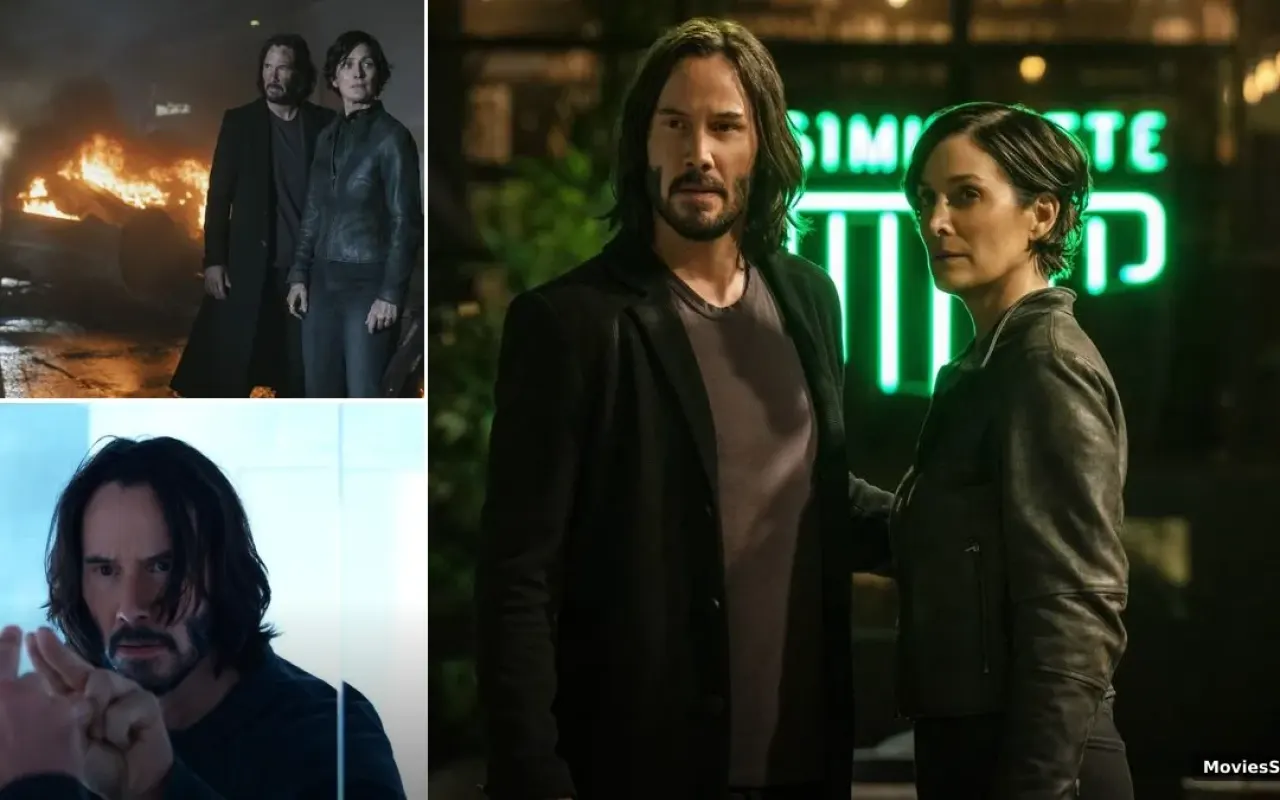
The era of "Project Popcorn" has reached its final, litigious conclusion. A multi-year legal battle that reshaped Hollywood’s financing landscape has ended with the Warner Bros Village Roadshow settlement, a $57 million resolution that officially severs a quarter-century partnership. This agreement marks the end of a bitter dispute over the release of The Matrix Resurrections and the controversial day-and-date streaming strategy that once threatened to dismantle the traditional theatrical window.
What was the outcome of the Warner Bros vs Village Roadshow lawsuit?
The Warner Bros Village Roadshow settlement resulted in Village Roadshow agreeing to pay Warner Bros. $57 million in damages to resolve a multi-year dispute over the release of The Matrix Resurrections. Following Village Roadshow's Chapter 11 bankruptcy, the financier lost its ownership stake in the film, while Alcon Entertainment successfully acquired the derivative rights to the company’s library titles.
The $57 Million Resolution: From Judgment to Damages
The finalization of the Warner Bros Village Roadshow settlement represents a significant reduction from the initial $125 million judgment previously awarded by an arbitrator. Originally, the ruling required Village Roadshow to pay roughly $107 million in unpaid co-financing costs plus $17 million in interest. This figure was intended to grant the financier a 50% ownership stake in The Matrix Resurrections, allowing them to share in the "waterfall" of profits after the studio recouped its P&A costs (prints and advertising).
However, after Village Roadshow filed for Chapter 11 bankruptcy protection, the legal landscape shifted. An appeals panel eventually concluded that the financier could not be forced to purchase a stake in a film that had already underperformed. Consequently, the $57 million payment was reclassified as pure damages. In exchange for this payment, Village Roadshow relinquished all claims to the fourth Matrix film, leaving Warner Bros. Discovery with 100% ownership.
The 'Project Popcorn' Fallout: How Streaming Killed a Partnership
To understand the depth of this divorce, one must look back to December 2020. Under the leadership of then-CEO Jason Kilar, WarnerMedia announced "Project Popcorn"—a radical strategy to release its entire 2021 film slate simultaneously on HBO Max and in theaters. While intended to bolster streaming subscriptions during the pandemic, the move triggered a massive Warner Bros streaming strategy fallout.
- December 2020: Project Popcorn is announced, blindsiding talent and partners.
- July 2021: Scarlett Johansson sues Disney over Black Widow's streaming release, setting a precedent for talent-led litigation.
- December 2021: The Matrix Resurrections debuts to a disappointing $160 million worldwide box office against a $190 million budget.
- February 2022: Village Roadshow sues Warner Bros., alleging breach of contract and accusing the studio of "shivving" the franchise to prop up HBO Max.
The impact was not just financial; it was reputational. High-profile creators like Christopher Nolan abandoned the studio, with Nolan moving to Universal for Oppenheimer. Village Roadshow argued that the day-and-date release cannibalized box office receipts, which are the primary source of revenue for co-financiers, while providing zero upside from the resulting streaming growth.
Alcon Entertainment: The Surprise Winner of the Legal War
While Warner Bros. and Village Roadshow were locked in arbitration, a third player emerged to claim the spoils. Alcon Entertainment, the production company behind Blade Runner 2049, became the unexpected beneficiary of Village Roadshow’s financial instability.
In a dramatic bankruptcy court showdown, Alcon secured the Alcon Entertainment derivative rights for Village Roadshow’s library for $18.5 million. In a rare move, Warner Bros. attempted to block the sale by submitting a higher "spoiler bid" of $19.5 million, but the court ultimately rejected the studio's late entry. This gives Alcon the power to develop sequels, remakes, and spin-offs for iconic titles like Practical Magic and The Matrix.
The first fruit of this new arrangement is already in motion: Practical Magic 2, starring Nicole Kidman and Sandra Bullock, is currently in development. This creates a unique dynamic where Alcon owns the rights to produce new content, but must still collaborate with Warner Bros. for distribution—a relationship AMG bosses Andrew Kosove and Broderick Johnson describe as a "quarter-century partnership" they look forward to continuing.
Impact on Future Franchises: Joker, Wonka, and I Am Legend
The Matrix Resurrections lawsuit didn't just affect Neo and Trinity; it cast a shadow over several high-profile tentpoles. Village Roadshow executives, including Chief Restructuring Officer Keith Maib, alleged the studio systematically "iced them out" of future projects to devalue their rights before the bankruptcy sale.
Key Franchise Impacts:
- Wonka: Claims regarding the Timothée Chalamet hit were dismissed "without prejudice" as part of the settlement, meaning they could theoretically be resurrected, though the $57 million deal likely settles the current friction.
- Joker: Folie à Deux: Despite co-financing the original 2019 film, Village Roadshow was excluded from the upcoming sequel.
- I Am Legend 2: The sequel involving Will Smith and Michael B. Jordan proceeded without Village Roadshow’s involvement, a move the financier cited as evidence of the "decimated" working relationship.
- Edge of Tomorrow: Court filings revealed that a proposed TV series was abandoned after Village Roadshow refused to relinquish certain rights, effectively killing the project's momentum.
The Future of The Matrix: Is the Franchise Dead?
From a fan perspective, the legal vitriol between the studio and its long-term financier has undeniably stalled the franchise. While Lana Wachowski returned for Resurrections to explore themes of corporate interference, the real-world corporate battle proved even more complex.
With the Warner Bros Village Roadshow settlement now finalized, the path for The Matrix 5 is technically clearer, but functionally different. Any future "derivative" projects will now involve Alcon Entertainment. Whether Keanu Reeves or the Wachowskis will return remains a matter of creative interest, but the corporate infrastructure that supported the first four films is gone. The $57 million payment serves as a "divorce settlement" that allows both parties to move forward, albeit separately.
Key Takeaways from the Settlement
- Final Figures: Village Roadshow pays $57 million in damages, a significant drop from the initial $125 million arbitration award.
- Ownership Shift: Warner Bros. Discovery now owns 100% of The Matrix Resurrections; Village Roadshow has zero stake.
- Rights Acquisition: Alcon Entertainment now holds the derivative rights to the Village Roadshow library, outbidding Warner Bros. in bankruptcy court.
- End of an Era: The settlement closes the book on the "Project Popcorn" litigation, which also saw settlements with stars like Scarlett Johansson at other studios.
- Future Projects: Practical Magic 2 is the first major project to move forward under the new Alcon-Warner distribution dynamic.
Conclusion: A New Landscape for Film Financing
The resolution of the Warner Bros Village Roadshow settlement is a cautionary tale for the streaming age. It highlights the Warner Bros Discovery litigation risk that arises when distribution strategies shift faster than contracts can be renegotiated. As the industry moves toward a more consolidated future—with the David Ellison and Skydance Media merger with Paramount looming—the lessons of the Matrix lawsuit will likely dictate how co-financing agreements are written for decades to come.
While Agent Smith famously noted that "stories never really end," the 25-year partnership between Warner Bros. and Village Roadshow has reached its definitive finale. The credits have rolled on their collaboration, leaving a $57 million bill and a library of rights in the hands of new players.