Real talk: Hollywood has a commitment problem. Instead of moving on from a finished story, studios would rather dig up the remains of a 90s classic, slap some CGI on it, and hope we don’t notice the original lead actor is nowhere to be found. We’ve all been there—sitting in a theater or scrolling through a streaming app, looking at a title and thinking, "Who actually asked for this?" The truth is, the worst movie sequels that were mistakes usually aren't just creative accidents; they are the result of legal loopholes, "paycheck" roles, and studio desperation.
When the math doesn't math, you get failed movie sequels that feel more like a corporate obligation than a piece of cinema. From production hell to the inevitable box office bomb, the history of the follow-up is littered with unnecessary movie sequels that everyone—including the cast—knew were doomed from day one. We’re doing a deep dive into the biggest movie sequel flops to figure out how these cinematic disasters actually made it to the finish line.
The 'Rights Retention' Trap: When Lawsuits Make Movies
Sometimes, a movie is made not because a director has a vision, but because a lawyer looked at a contract. This is the "use it or lose it" clause. If a studio doesn't produce a film within a certain window, the IP rights revert back to the original creator. This legal quirk has birthed some of the most unnecessary movie sequels in history.
Take Hellraiser: Revelations. Dimension Films was staring down a deadline where they were about to lose the rights to the Pinhead character. Their solution? A straight-to-video sequel shot in just 11 days on a shoestring budget. Doug Bradley, the iconic actor who played Pinhead, famously turned it down after seeing the rushed production schedule and the script. He knew it would tarnish the legacy. The result was a critical failure so bad that even the franchise's creator, Clive Barker, told fans on social media that the movie had "no corporate connection" to his soul. It currently sits with a 0% Rotten Tomatoes score, a rare "achievement" in failed movie sequels.
Then there’s the Sharon Stone situation with Basic Instinct 2. This sequel spent years in development hell. At one point, Stone filed a $100 million lawsuit against the producers, claiming they reneged on a "pay-or-play" deal. To settle the legal drama, the movie eventually got made in 2006—14 years after the original. By then, the cultural moment had passed. The film was a box office bomb, grossing only $38 million against a $70 million budget. It’s a textbook example of a movie that exists only because of a legal stalemate.
The Jim Carrey Effect: Sequels Without the Star
If there is one rule in Hollywood, it should be this: sequels without original cast members—specifically when that cast member is Jim Carrey—are almost always a mistake. Carrey’s physical comedy is impossible to replicate, yet Universal Pictures and other studios have tried, usually with disastrous results.
Son of the Mask (2005)
Perhaps the most infamous of the worst movie sequels that were mistakes, Son of the Mask attempted to replace Carrey with Jamie Kennedy. The wild part? The studio spent nearly $100 million on this production, mostly on CGI that looked dated the second it hit the screen. Without Carrey’s manic energy to ground the cartoonish effects, the movie felt like a fever dream nobody wanted to have. It earned a dismal CinemaScore rating of B-, but the Rotten Tomatoes audience vs critic score tells the real story: a 6% from critics and a 16% from fans. It wasn't just a franchise killer; it was a career-staller for almost everyone involved.
Evan Almighty (2007)
While Steve Carell is a legend in his own right, Evan Almighty proved that the Bruce Almighty formula didn't work without the original lead. The production budget breakdown for this film is genuinely terrifying: it cost $175 million to make, making it the most expensive comedy ever produced at the time. To put that in perspective, that’s more than some Marvel movies. The film failed to recoup its shooting budget at the domestic box office, grossing around $173 million worldwide. When you factor in marketing, the inflation-adjusted box office loss is staggering. Carrey reportedly turned down the sequel because he felt "nature calls" (his experience on the Ace Ventura sequel) taught him that repeating himself wasn't creatively fulfilling.
What Are the Worst Movie Sequels Ever Made?
If you're looking for the ultimate hall of shame, these 12 films represent the peak of "why does this exist?" energy. Here are the worst movie sequels that were mistakes:
- Son of the Mask: Failed miserably by trying to replace Jim Carrey’s lightning-in-a-bottle energy with bad CGI and Jamie Kennedy.
- Jaws: The Revenge: Features a telepathic shark and a 0% Rotten Tomatoes score; Michael Caine famously did it for the paycheck.
- Evan Almighty: The most expensive comedy ever made ($175M) that couldn't find an audience without the original star.
- Speed 2: Cruise Control: Keanu Reeves wisely skipped this slow-moving disaster on a boat, leaving Sandra Bullock stranded.
- Batman & Robin: The franchise killer that was so campy it forced DC to reboot the entire character with Christopher Nolan.
- Home Alone 3: Recasting Kevin McCallister was a cardinal sin that audiences never forgave.
- Blair Witch 2: Book of Shadows: Abandoned the found-footage hook for a meta-narrative that confused and bored fans.
- Basic Instinct 2: A decade too late and born out of a $100M lawsuit, proving some sparks can't be reignited.
- Caddyshack II: Lacked the R-rated bite and the original cast, resulting in a PG-rated mess.
- The Next Karate Kid: Even a young Hilary Swank couldn't save this unnecessary pivot from the Daniel LaRusso saga.
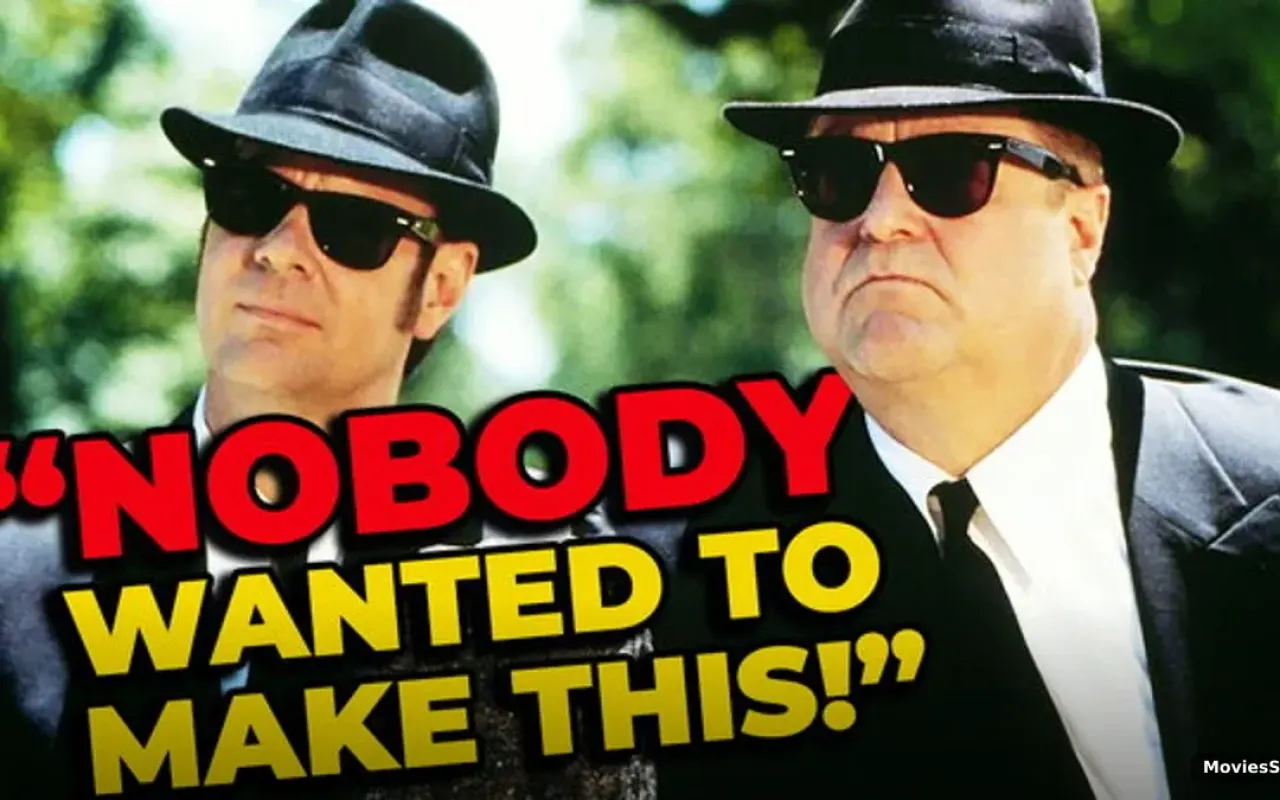
- Blues Brothers 2000: A PG-13 musical that missed the soul (and John Belushi) of the original cult classic.
- Tron: Ares: A production plagued by casting controversy and the absence of the original creative team’s magic.
The 'Paycheck' Confessionals: When A-Listers Knew It Was Bad
There is a specific kind of honesty that comes from an actor who knows they are filming a critical failure. We call this the "Paycheck Role." Michael Caine is the king of this transparency. Regarding his role in Jaws: The Revenge, he famously said: "I have never seen it, but by all accounts it is terrible. However, I have seen the house that it built, and it is terrific."
Caine didn't even attend the Oscars the year he won for Hannah and Her Sisters because he was busy filming the fourth Jaws installment. The movie is widely considered one of the biggest movie sequel flops ever, featuring a mechanical shark that looked worse than the 1975 original and a plot involving a shark seeking "revenge" on a specific family. Universal Pictures pushed it through production in less than nine months—a disastrously short window for a major blockbuster.
Similarly, John Goodman has been vocal about the "empty" feeling of Blues Brothers 2000. Without John Belushi, the film felt like a cover band performance. The studio interference was palpable, specifically the demand for a PG-13 rating to make it "family-friendly." This neutered the grit and edge that made the original a cult classic. Dan Aykroyd’s creative decisions were heavily impacted by the loss of Belushi, and the film ended up being an expensive musical variety show that no one asked for.
The Format Fail: When Sequels Change the Vibe
Sometimes, a sequel is a mistake because it fundamentally misunderstands why the first movie worked. The Blair Witch Project changed cinema because of its found-footage realism. So, naturally, the studio decided Book of Shadows: Blair Witch 2 should be a traditional, glossy narrative film.
Director Joe Berlinger actually wanted to make a movie about the hysteria of the first film, a meta-commentary on media. But the studio hacked it up in the editing room, adding gore and a non-linear structure that made zero sense. Released just 15 months after the original, it was a rushed attempt to cash in. It currently holds a 14% on Rotten Tomatoes, with fans feeling betrayed by the abandonment of the "found footage" gimmick.
We see a similar vibe shift in Home Alone 3. Macaulay Culkin was on an acting hiatus in 1994, so instead of waiting or moving on, the studio recast the lead with Alex D. Linz. While Linz was a talented kid, the "Home Alone" brand was synonymous with Culkin. Subtracting Joe Pesci and Daniel Stern only made it worse. It felt like a straight-to-video knockoff that somehow got a theatrical release. Fan backlash analysis from the era shows that even before the internet was what it is today, word-of-mouth killed this film's chances.
The Modern Disaster: Tron: Ares and the Future of Flops
The cycle of failed movie sequels continues into the 2020s. Tron: Ares has been a lightning rod for controversy before it even hit theaters. Fans of Tron: Legacy spent a decade begging for a sequel, but the studio interference seems to have missed the mark again.
Replacing director Joseph Kosinski with Joachim Rønning was the first red flag for the fanbase. Then came the casting of Jared Leto. Between 2020 and 2023, Leto’s public image faced significant scrutiny due to various "historic abuse claims" and his divisive method acting reputation. Furthermore, the decision to move away from Daft Punk—whose score was the heartbeat of Legacy—in favor of Nine Inch Nails (while cool) signaled a total tonal shift.
The production hell surrounding Ares suggests that Hollywood still hasn't learned the most important lesson: a sequel is a conversation with the fans, not a lecture. When you ignore what made the original special—the cast, the music, the atmosphere—you aren't making a sequel; you're just wearing the skin of a dead franchise.
Key Takeaways: Why These Sequels Failed
- Missing Leads: Replacing iconic stars like Jim Carrey or Macaulay Culkin is almost always a death sentence for a franchise.
- Legal Obligations: "Use it or lose it" rights clauses force studios to rush cinematic disasters like Hellraiser: Revelations into production.
- Budget Bloat: Evan Almighty proved that throwing $175 million at a comedy doesn't guarantee laughs or a box office return.
- Tone Deafness: Changing the fundamental format (like Blair Witch 2) or the rating (like Blues Brothers 2000) alienates the core audience.
- The 'Paycheck' Trap: When actors only show up for the money, the lack of passion is visible on screen, as seen in Jaws: The Revenge.
Looking forward, the trend of unnecessary movie sequels isn't slowing down, but the audience is getting smarter. With the rise of Rotten Tomatoes and social media, "brand awareness" isn't enough to save a bad movie. Studios are finding that the biggest movie sequel flops are becoming more expensive and more damaging to their long-term IP value. If a story is finished, maybe it's okay to let it stay that way. Otherwise, you're just one bad casting choice away from becoming the next Son of the Mask.