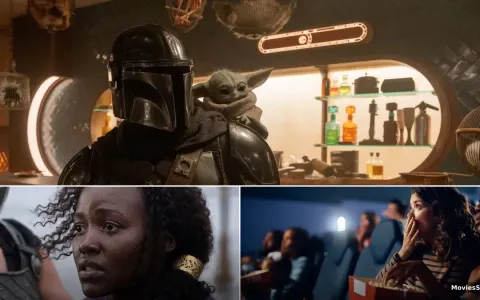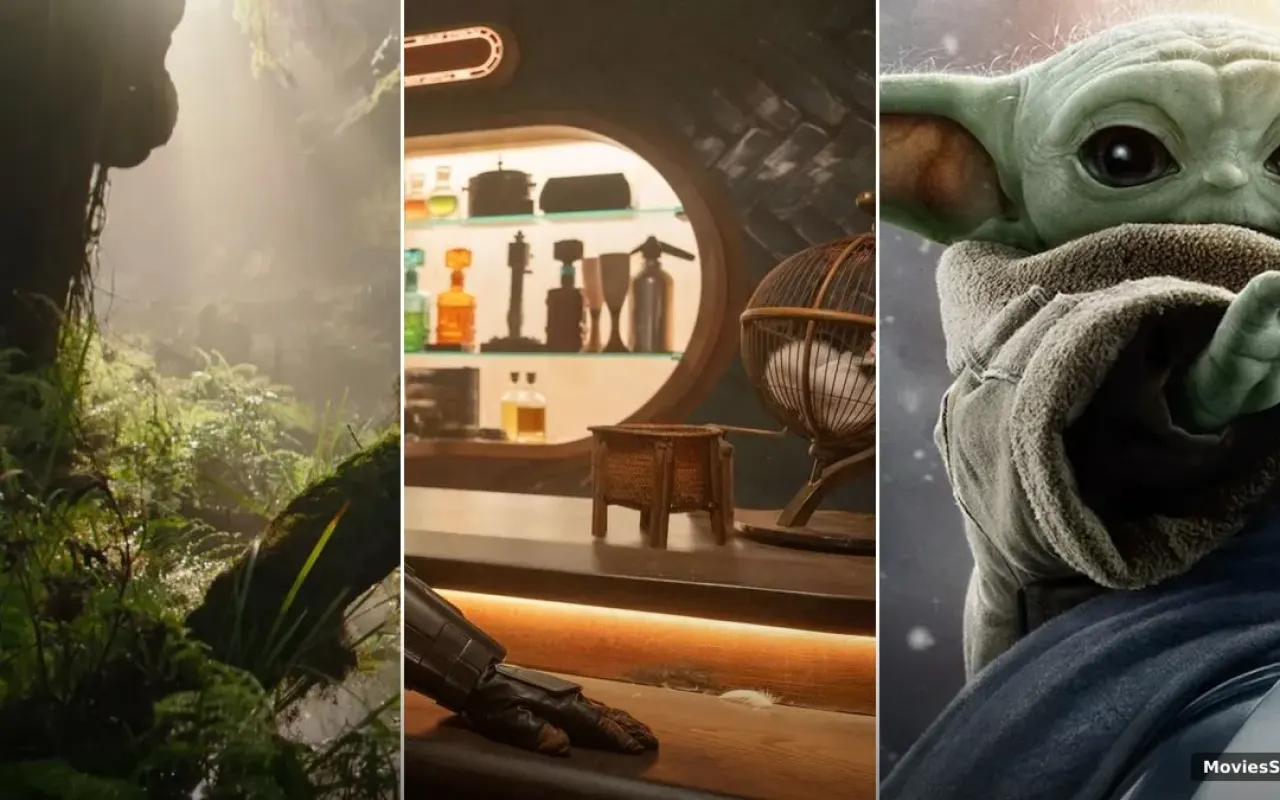
It has been seven long years since we actually sat in a dark theater to watch a Star Wars movie. That is an eternity in internet time, and frankly, a massive gamble for Lucasfilm. The Mandalorian and Grogu isn't just a film; it’s a high-stakes litmus test for whether the "Mando-verse" can survive the jump from 15-inch laptop screens to the IMAX 70mm experience. Directed by Jon Favreau and co-written with Dave Filoni, the movie attempts to bridge the gap between casual Disney+ viewers and the hardcore theatrical fanbase that hasn't had a fix since 2019.
The vibe shift is real. While the series often felt like a weekly space-western procedural, this 2026 theatrical entry leans heavily into its "creature feature" roots, delivering a story that is simultaneously more cinematic and surprisingly more contained than the sprawling third season of the show. Whether you’re here for the Din Djarin helmet-on stoicism or just to see what kind of chaos Baby Yoda can cause with a larger CGI budget, there is a lot to unpack in this 132-minute odyssey.
The Mandalorian and Grogu Review: A Rousing Return to the Big Screen?
The central question of The Mandalorian and Grogu review cycle has been simple: does this feel like a movie, or just three episodes of TV in a trench coat? The answer is a bit of both. The film picks up shortly after the events of Season 3, finding our favorite duo settled into a domestic rhythm of bounty hunting for the New Republic. However, the stakes are quickly elevated when they are pulled into a mission that feels less like a "job of the week" and more like a pivotal shift in the galactic power dynamic.
Critically, the film has landed a CinemaScore of A-, putting it in the same tier as Rogue One and The Last Jedi. This is a significant win for Disney, especially considering the vocal "Grogu fatigue" trending on social media. The "creature feature" elements—specifically the slimy, practical-effect-heavy scenes involving the Hutt clan—give the movie a visceral texture that was sometimes missing from the Volume-heavy TV seasons. While some critics argue the plot is a bit too straightforward, the emotional core remains the "Lone Wolf and Cub" dynamic, which Favreau manages to refresh by giving Grogu more autonomy and "level up" moments than we’ve ever seen before.
The Cast: Who Plays Who in The Mandalorian and Grogu?
The cast list for this film is a wild mix of prestige TV darlings and Hollywood royalty. Pedro Pascal returns as the voice of Din Djarin, though, as usual, the heavy lifting inside the suit is a collaborative effort with stunt performers. Pascal’s performance remains the anchor, even if he spends the vast majority of the runtime behind a Beskar mask.
- Sigourney Weaver as Colonel Ward: Weaver enters the Star Wars universe as a high-ranking New Republic commander. She isn't just a quest-giver; she represents the creeping bureaucracy of the new government, providing a sharp contrast to Mando’s fringe-living lifestyle.
- Jeremy Allen White as Rotta the Hutt: In perhaps the most inspired casting choice of Star Wars movie 2026, The Bear star voices a grown-up, gladiator-style version of Jabba’s son. Forget the "Stinky" nickname from the Clone Wars era—this Rotta is a "gym bro" Hutt who has been hardened by the galactic underworld.
- Martin Scorsese Cameo: In a "blink and you'll miss it" moment of pure internet gold, the legendary director voices an Ardennian (a four-armed monkey-like species) fry cook who helps Din Djarin track down a lead. It’s a meta-nod that perfectly fits the film’s occasionally quirky tone.
Behind the Scenes: Jon Favreau’s IMAX 'Oner' and Technical Feats
If you are wondering is The Mandalorian and Grogu worth seeing in IMAX, the answer lies in the technical ambition of the second act. Favreau utilized Apple Vision Pro software during pre-production to frame the film’s most complex sequences, allowing the crew to "walk through" the digital sets before a single frame was shot. This tech-forward approach culminated in a breathtaking AT-AT fight sequence shot as a "oner"—a single, continuous take that follows Din Djarin as he scales a walking tank while the Shikari planet crumbles around him.
The use of Unreal Engine 5 combined with traditional practical puppetry ensures that Grogu feels more "real" than ever. The production team reportedly spent a significant portion of the $165 million budget on refining the animatronics, allowing for micro-expressions that simply weren't possible on a TV timeline. This technical polish is the film's strongest argument for its existence as a theatrical event rather than a streaming exclusive.
Does The Mandalorian and Grogu have a post-credits scene?
The Mandalorian and Grogu does not have a post-credits scene. However, viewers are encouraged to stay through the credits to experience Ludwig Göransson’s score, which includes a new synth-heavy track titled 'Shikari' and a triumphant rendition of the main theme. While there is no teaser for a sequel or a new series, the final musical motif suggests a major shift for the future of the Mandalorians.
Easter Eggs and Canon: The Acolyte and Clone Wars Connections
For the lore hounds, this movie is a goldmine. The most significant deep-cut is the introduction of the Meknek profession. First hinted at in High Republic literature and briefly referenced in The Acolyte, the Mekneks are specialized technicians who work on the outer hulls of ships during hyperspace. By bringing this role into the post-Empire era, Favreau and Filoni are effectively bridging the gap between the High Republic and the current timeline, showing how certain ancient trades have survived the rise and fall of the Sith.
The film also spends a significant amount of time on the Shikari planet, a new location that feels like a tribute to the 1980s Star Wars EU (Expanded Universe). Here, we see the remnants of Imperial Warlords attempting to rebuild their power bases, providing a direct link to the "Shadow Council" seen in the Disney+ series. The Rotta the Hutt Jeremy Allen White connection also brings the Clone Wars movie full circle, finally answering the question of what happened to Jabba’s heir after the death of his father in Return of the Jedi.
Parental Guide: The 'Icky' Creature Feature Elements
While the series was generally safe for all ages, The Mandalorian and Grogu age rating guide notes a PG-13 rating for a reason. The film leans into "creature feature" horror in several sequences. The Hutts are depicted with a level of slimy, visceral detail that might be "icky" for younger viewers, and a sequence involving a Krayt Dragon carcass is surprisingly macabre. If your kids handled the darker moments of The Mandalorian Season 2, they’ll likely be fine, but be prepared for more "monster movie" vibes than "space fairy tale" vibes.
The 'Smuggler’s Run' Connection and Park Integration
In a move of pure corporate synergy that actually works, the film’s release coincides with a new update to the Millennium Falcon: Smuggler’s Run attraction at Disney Parks. The movie features a specific mission—the "Smuggler’s Run" mission—where Mando and Grogu must navigate an asteroid field to deliver a high-value asset. This sequence was designed using the same Unreal Engine assets found in the park ride, creating a seamless transition between the screen and the physical experience. It’s a clever way to expand the movie's story, making the audience feel like they can literally step into the cockpit of the adventure.
Box Office Analysis: Can Mando Beat the 'Solo' Curse?
With a $165 million production cost and an estimated $100 million marketing spend, the pressure is on. Early opening weekend projections for The Mandalorian and Grogu are hovering around the $140 million mark domestically. While this is lower than the heights of the sequel trilogy, it is a massive step up from Solo: A Star Wars Story. The "A-" CinemaScore suggests strong word-of-mouth, which will be vital for the film’s longevity during the crowded summer corridor.
The real test will be the international market. Baby Yoda is a global phenomenon, but Star Wars has historically struggled in certain territories like China. However, by positioning this as a "standalone-ish" adventure that doesn't require 40 years of homework, Lucasfilm is hoping to capture a younger, more global audience that missed the Skywalker saga boat.
Key Takeaways
- The Mandalorian and Grogu is a theatrical bridge that turns the Disney+ series into a cinematic "creature feature."
- Jeremy Allen White voices a "gym bro" version of Rotta the Hutt, Jabba’s son from the Clone Wars.
- The film features a technical "oner" shot involving an AT-AT fight sequence that is a must-see in IMAX 70mm.
- There is no post-credits scene, but the Ludwig Göransson score is worth staying for.
- Lore connections to The Acolyte and the High Republic are established through the "Meknek" profession.
- The movie holds an A- CinemaScore, indicating strong audience approval despite a more "simple" narrative.
The Future: Season 4 or a Movie Sequel?
The ending of the film leaves the door wide open, but the question remains: will we get a The Mandalorian Season 4 or a direct movie sequel? Jon Favreau has hinted that the "work stoppage" during the strikes shifted their perspective on how to tell this story. The success of this film likely dictates the future. If the box office holds, we might be looking at a new trilogy of "Mando-verse" films that culminate in Dave Filoni’s rumored "New Republic" crossover movie.
For now, The Mandalorian and Grogu serves as a reminder that Star Wars is at its best when it focuses on the small, emotional stories in a very large, very weird galaxy. It’s not a "paradigm shift" (we don't use that word here), but it is a damn good time at the movies. Whether you’re a completionist or a casual fan, seeing the silver helmet on the big screen again feels like coming home—even if home is now a slimy Hutt palace on a distant planet.
The Mandalorian and Grogu is currently playing in theaters. Expect the 4K Blu-ray release and Disney+ debut in late 2026.