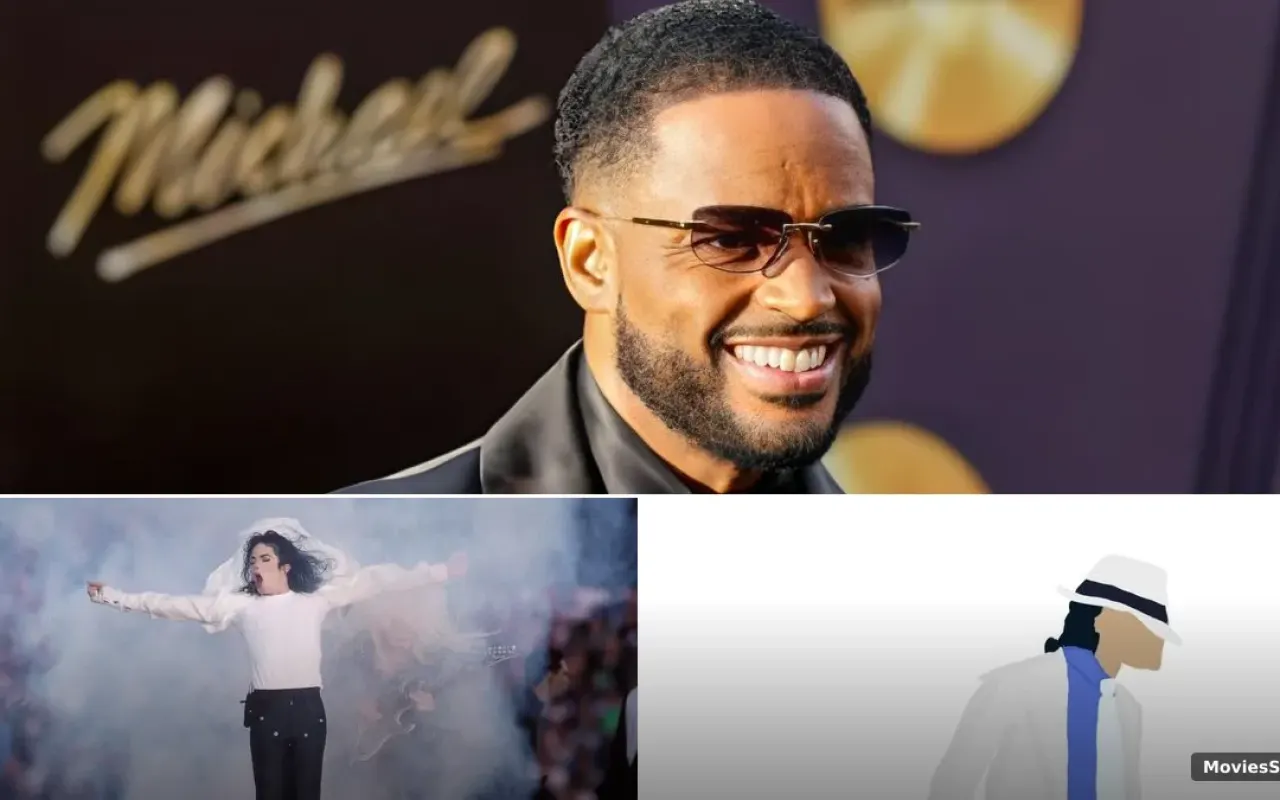
The numbers are in, and the verdict is definitive: Michael Jackson is still the undisputed King of Pop, at least where the ticket window is concerned. Despite a wave of critical reviews that ranged from skeptical to downright hostile, the Michael movie box office has moonwalked past every projection, crossing the $700 million mark in record time. It is officially a "Critic-Proof" phenomenon, proving that the gap between what film critics want and what the global audience craves is wider than the gates of Neverland.
Directed by Antoine Fuqua and produced by the biopic veteran Graham King (the man behind Bohemian Rhapsody), Michael has transformed from a high-stakes gamble for Lionsgate into a generational cultural event. Whether you’re here for the Jaafar Jackson Michael Jackson transformation or the tea on why the movie ends so abruptly, we’ve broken down the data, the drama, and the secrets of the upcoming sequel.
Global Box Office: Michael Reclaims the Crown
As of late May 2026, Michael has officially cemented its status as the top-grossing music biopic of all time in North America, unseating Bohemian Rhapsody. The film’s fourth weekend was a masterclass in "legs"—the industry term for a movie that keeps selling tickets long after the opening night hype dies down. Reclaiming Imax and premium large-format (PLF) screens, the film pulled in a stunning $26.3 million domestically in its fourth outing, wresting the No. 1 spot back from The Devil Wears Prada 2.
The international performance is even more staggering. In South Korea alone, the film dominated with a 51% market share during its mid-May weekend. Globally, the film is only the second release of 2026 to clear the $700 million milestone, trailing only The Super Mario Galaxy Movie. This puts it in a different league than other recent music biopics like Elvis ($288M) or Rocketman ($195M), signaling that MJ’s global brand remains unparalleled.
Michael Movie Box Office Total (May 2026)
| Market | Total Gross (USD) |
|---|---|
| Domestic (North America) | $242.8 Million |
| International | $421.1 Million |
| Worldwide Total | $703.9 Million |
The Michael movie box office success is largely driven by a massive $217.4 million global opening weekend, which even surpassed the debut of Christopher Nolan’s Oppenheimer. Fans aren't just watching this movie; they are treating it like a pilgrimage, often appearing in theaters wearing red leather Thriller jackets and single sequins gloves. This isn't just a movie release; it’s a global fan convention that happens every two hours in a dark room.
Jaafar Jackson: A Star is Born in His Uncle's Shadow
The biggest question going into production was whether anyone could actually play Michael Jackson without it feeling like a Vegas caricature. Enter Jaafar Jackson, Michael’s real-life nephew. Real talk: the resemblance is haunting. Jaafar reportedly spent two years training for the role before he was even officially cast, and that dedication shows in every frame. This wasn't just about learning the steps; it was about the "essence."
While Juliano Valdi delivers a powerhouse performance as young Michael during the Jackson 5 era, Jaafar carries the bulk of the film's emotional weight. Supporting him are heavyweights Colman Domingo as the terrifyingly disciplined Joe Jackson and Nia Long as the nurturing Katherine Jackson. Domingo’s portrayal of Joe is particularly nuanced—he isn't just a villain; he's a man obsessed with perfection, a trait that clearly bled into his son.
Vocal Performance: Jaafar vs. Michael
There has been intense debate among musicologists regarding the film's audio. Unlike Bohemian Rhapsody, which used a blend of Rami Malek, Marc Martel, and Freddie Mercury, Michael leans heavily into Michael Jackson's original master tracks for the big "concert" moments. However, for the intimate studio scenes and "raw" singing moments, we are hearing a significant percentage of Jaafar's actual vocals. Experts estimate the film uses a 70/30 split—70% original MJ masters for the hits and 30% Jaafar for the narrative singing. Jaafar’s ability to mimic Michael’s distinctive "hiccup" and breathy vibrato is so precise that in some scenes, it’s nearly impossible to tell where the nephew ends and the uncle begins.
The Technical Magic: Makeup and Prosthetics
The Michael movie choreography analysis from professionals suggests that Jaafar nailed the "fluidity" that MJ was known for, but the makeup team deserves an Oscar of their own. To achieve the Thriller and Bad era looks, the production utilized ultra-thin silicone prosthetics that allowed Jaafar’s natural facial expressions to remain visible. This avoided the "uncanny valley" effect that often plagues biopics. They also meticulously tracked Michael’s changing skin tone and features due to his struggle with vitiligo, treating the transition with a level of technical detail rarely seen in cinema.
Fact vs. Fiction: How Accurate is the Michael Biopic?
Biopics are notorious for "streamlining" history, and Michael is no exception. While the film captures the "vibe" of the King of Pop's life, it takes several creative liberties that have left historians scratching their heads. Here is the breakdown of what's real and what's "Hollywood":
- The Motown Audition: The film depicts the Jackson 5 auditioning for Berry Gordy with "Never Can Say Goodbye." In reality, that song wasn't even written when they first signed to Motown. Their actual audition featured James Brown covers and "I Got the Feeling."
- The Diana Ross Omission: One of the biggest content gaps is the lack of Diana Ross. While she was a pivotal mentor and mother figure to Michael, her character is largely sidelined or mentioned in passing, likely due to licensing or estate preferences.
- The Pepsi Fire: The film’s depiction of the 1984 Pepsi commercial accident is visceral and accurate. It frames this moment as the definitive turning point for Michael’s health struggles and subsequent reliance on pain medication.
- The Timeline: The film ends abruptly in 1988, just as Michael reaches the peak of his solo superstardom with the Bad tour. This choice was deliberate, as it avoids the most controversial years of his life—at least for now.
One major point of contention is how the film handles the 1993 and 2005 allegations. Legal analysts have noted that by ending Part 1 in 1988, the filmmakers effectively bypassed the most difficult "legal" conversations. The Michael Jackson Estate involvement controversy is real; because the estate co-produced the film, the narrative is undeniably protective of Michael’s legacy. It presents him as a man who sought to reclaim a lost childhood through Neverland and exotic pets like Bubbles the chimpanzee, rather than addressing the darker complexities head-on.
The 'Critic-Proof' Phenomenon: Why Fans Love It
The Michael biopic reviews are a tale of two worlds. On Rotten Tomatoes, critics have slapped the film with scores in the 30% range, calling it "hagiography" and "painfully bad." Meanwhile, the audience score sits at a near-perfect 95%. Why the massive disconnect?
For fans, the movie isn't a documentary—it's an experience. The "Billboard Effect" is in full swing; since the movie's release, the Thriller album re-entered the Billboard 200 at No. 7, and "Billie Jean" has returned to the Hot 100. This synergy between the box office and the music charts is something we haven't seen since A Star Is Born. Theater-goers aren't just watching; they’re participating in flash mobs during the credits and singing along to every bridge.
Music industry experts suggest the film has likely added hundreds of millions of dollars to the Michael Jackson Estate valuation. By re-contextualizing his life for Gen Z and Gen Alpha through a high-budget cinematic lens, the estate has successfully "refreshed" the brand for a new era of streamers.
Michael 2: What We Know About the Sequel
If you felt the ending was a bit sudden, don't panic. Michael Jackson movie 2026 is officially "Part 1." The Michael movie sequel is already in active development, and here is the kicker: roughly 30% of the sequel has already been filmed. Production took place back-to-back with the first film to ensure the cast (especially the younger actors) didn't age out of their roles.
What will Part 2 cover? The sequel is expected to pick up in 1989 and carry through to Michael’s final days in 2009. This means we will likely see:
- The making of the Dangerous and HIStory albums.
- The 1993 and 2005 legal battles (which the producers have promised will be "addressed" in the second half).
- The This Is It rehearsal era.
- The casting of Quincy Jones, who was notably absent from the first film’s primary focus.
Antoine Fuqua is expected to return to the director's chair, and Jaafar Jackson has already been spotted filming scenes that look suspiciously like the 1995 MTV Video Music Awards performance. Expect the sequel to have a much darker, more "prestige drama" tone compared to the "concert film" energy of Part 1.
Key Takeaways
- Box Office Legend: The film has grossed over $704 million globally, making it a massive financial win for Lionsgate.
- Family Ties: Jaafar Jackson’s performance is being hailed as Oscar-worthy, with his 2-year training regimen paying off in his dance and vocal mimicry.
- The Billboard Effect: MJ’s music is back on the charts, with *Thriller* hitting the Top 10 decades after its release.
- Part 1 of 2: The story ends in 1988; the sequel is already 30% filmed and will cover the more controversial 1990s and 2000s eras.
- Estate Control: The film is co-produced by the MJ Estate, leading to a narrative that focuses on his artistry and humanity while largely avoiding early controversies.
The Michael movie box office run isn't just a win for Lionsgate; it’s a signal to Hollywood that the "Music Biopic" is the new superhero genre. As we look toward the sequel, the pressure will be on Fuqua and King to see if they can maintain this momentum while finally addressing the "man in the mirror" and the complexities that come with him. For now, the King of Pop has successfully reclaimed his throne in the digital age.